

 English
 Français
 русский
 عربى
عربى Español
Content
Choosing the Right Material for Your Project
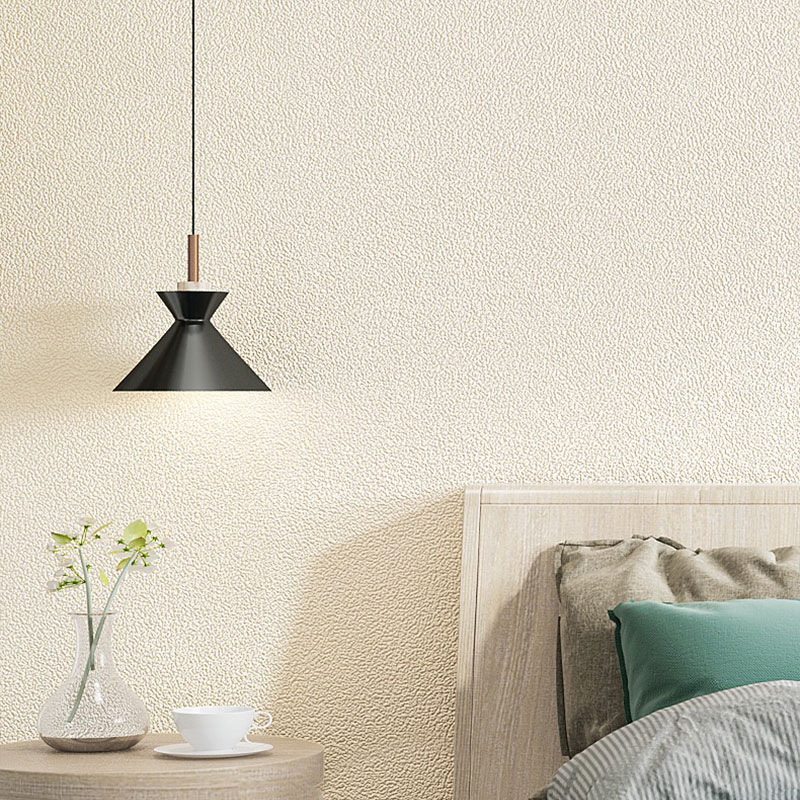
When you start looking into self-adhesive wall stickers, you will notice that they aren't all made from the same stuff. The most common material is PVC or vinyl, which is loved for its durability and water resistance. This makes it a perfect choice for high-traffic areas or spots that might get a little damp, like kitchens. If you are looking for something a bit more sophisticated, fabric-based peel-and-stick decals offer a matte finish and a woven texture that feels more like traditional wallpaper. Understanding the material helps you match the sticker to the specific environment of your room.
Step-by-Step Installation Guide
Preparing the Surface
The secret to a long-lasting stick is all in the prep work. You need to make sure your wall is bone-dry and free of any dust or oils. Use a damp cloth with a tiny bit of soap to wipe down the area, then let it air dry for at least 24 hours. If you’ve recently painted the room, patience is key—you should wait about three weeks for the paint to fully "outgas" or cure, otherwise, your removable wall graphics might peel right off or bubble up shortly after application.
The Application Process
Start by peeling back just a small section of the backing paper, usually from the top. Align the sticker carefully and press it onto the wall. As you pull the backing away with one hand, use a squeegee or a credit card with the other to smooth the sticker from the center outward to the edges. This technique pushes out air bubbles as you go, ensuring a professional, flat finish that looks like it was painted on.
Creative Design Ideas for Every Room
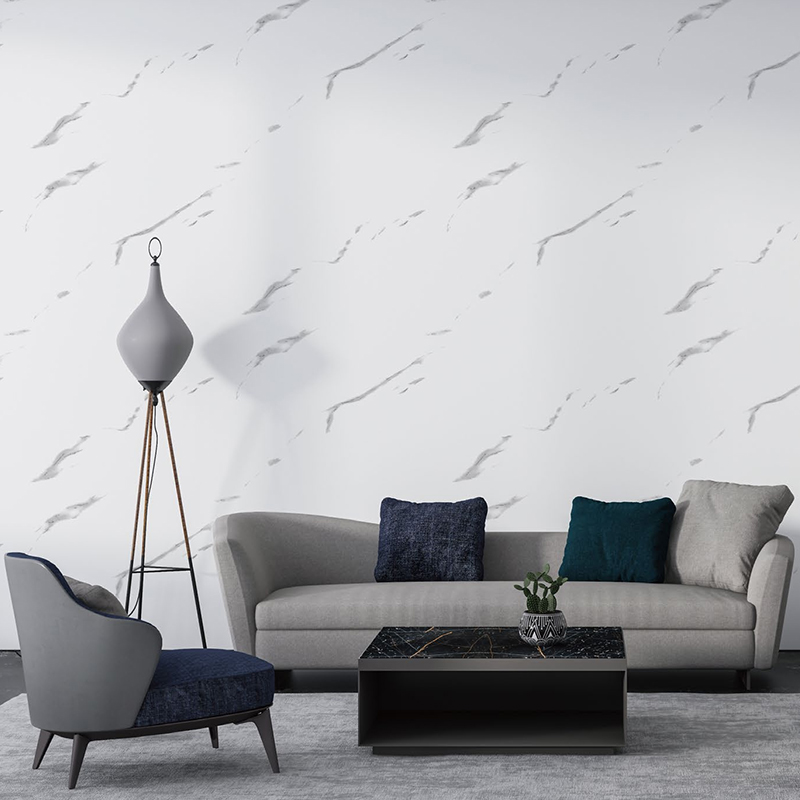
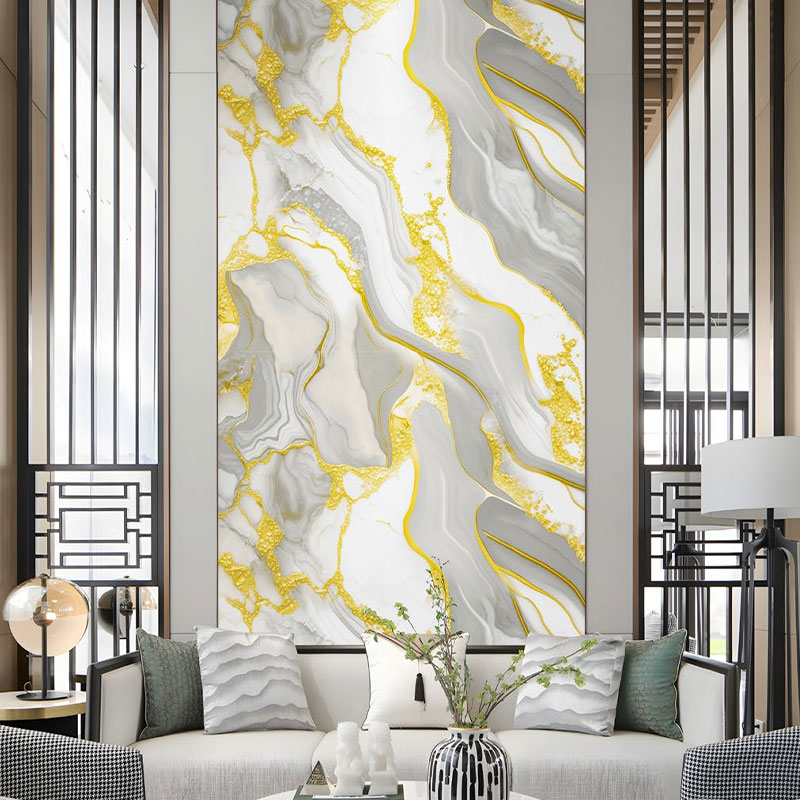
Peel-and-stick wall decor isn't just for kids' bedrooms anymore. You can use large-scale botanical prints to create a stunning accent wall in a living room, or geometric patterns to give a home office a modern, energetic feel. For renters, these are a total game-changer because you can personalize your space without risking your security deposit. You can even use smaller scraps to decorate furniture, like the back of a bookshelf or the front of dresser drawers, to tie the whole room's aesthetic together.
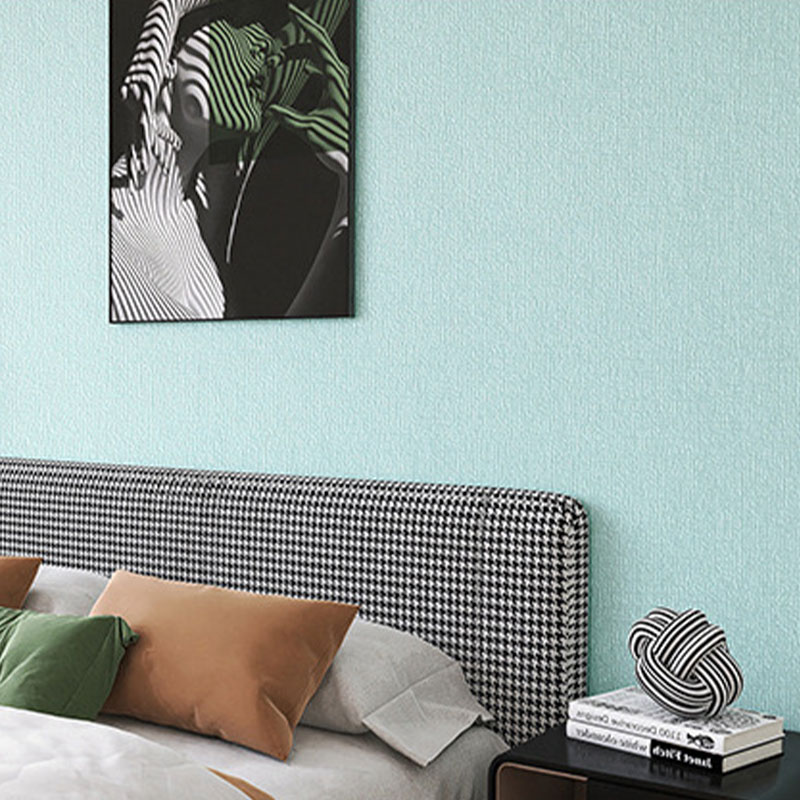
- Living Room: Use oversized floral decals for a dramatic focal point behind the sofa.
- Nursery: Apply soft watercolor stars or animals that can be easily swapped as the child grows.
- Kitchen: Add vinyl tile-style stickers to create a faux backsplash that is easy to wipe clean.
Comparing Adhesive Types and Durability
Not all self-adhesive wall stickers are created equal when it comes to how long they stay up. Some are designed for temporary "pop-up" displays, while others are rated for several years of residential use. It’s important to check whether the adhesive is "repositionable" (meaning you can move it if you mess up) or "permanent." Below is a quick comparison to help you decide which type fits your needs.
| Sticker Type | Best Use Case | Longevity |
| Removable Vinyl | Apartments/Rentals | 2-5 Years |
| Fabric Peel-and-Stick | Living Areas/Bedrooms | 5+ Years |
| Static Cling | Windows/Mirrors | Temporary |
Removing Your Stickers Safely
When it’s time for a change, the removal process is just as important as the installation. To prevent any paint from chipping, use a hairdryer on a low-heat setting to warm up the corner of the sticker. This softens the adhesive, making it much more pliable. Slowly peel the sticker back at a 45-degree angle. If there is any sticky residue left behind, a simple mixture of warm water and mild dish soap—or a dedicated adhesive remover—will take it right off without harming your wall's finish.