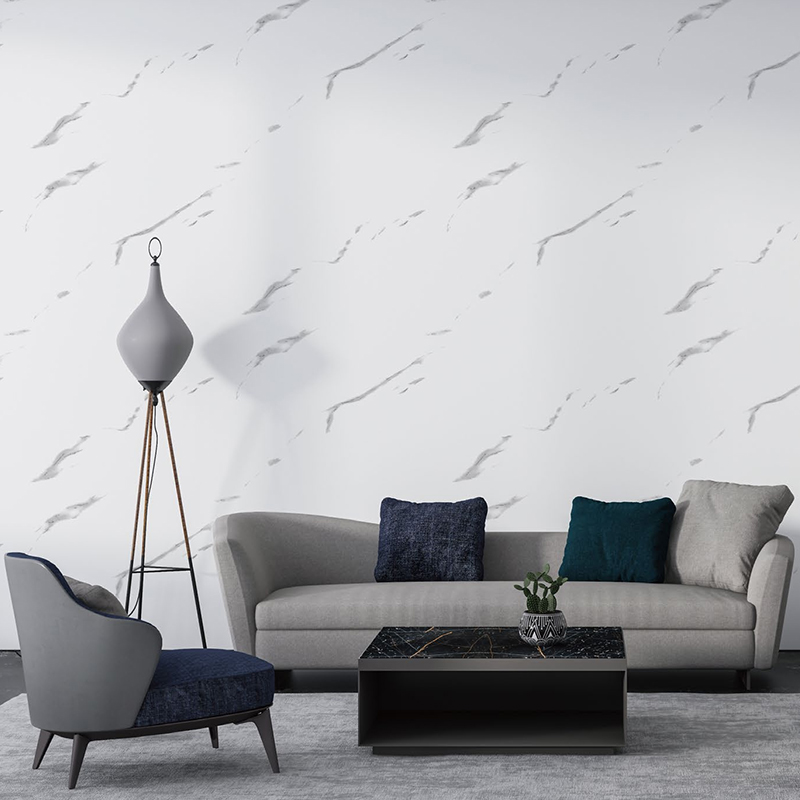
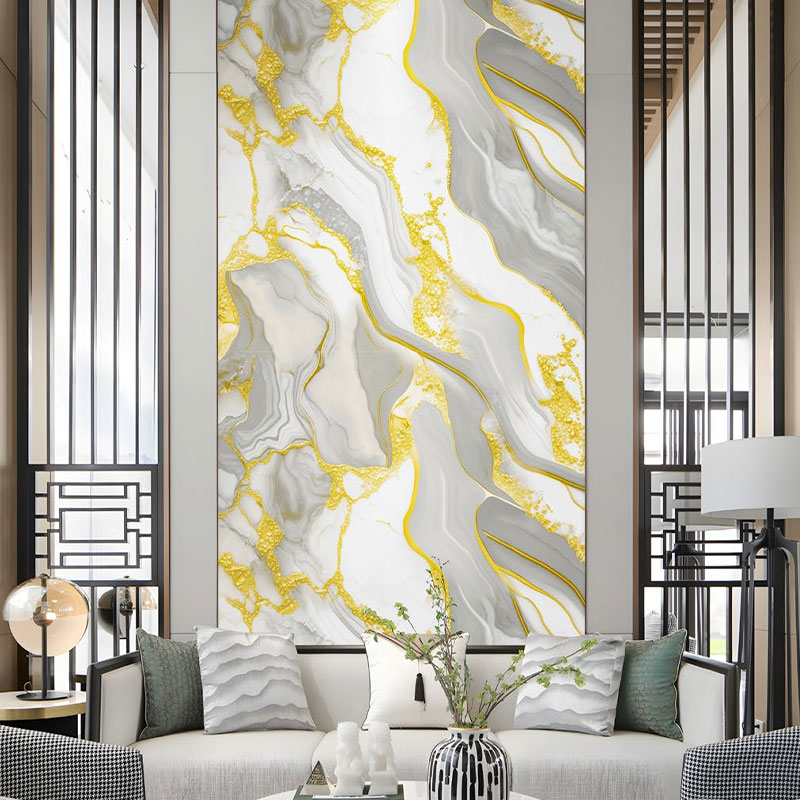
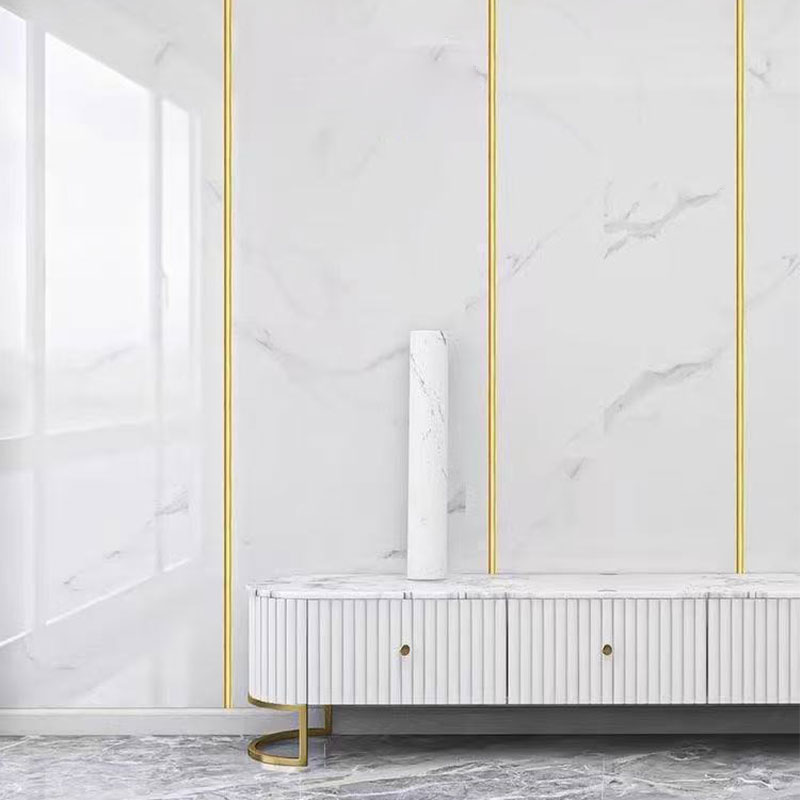
Imitation tile marble wall paste is a kind of protective material for wall decoration, mainly used to imitate the texture and texture of tile or marble, while having the function of protecting the wall.
Product features:
1, high simulation effect: imitation tile marble wall paste can highly restore the texture and luster of tiles and marble, provide realistic visual effects, suitable for home, commercial space and other places of wall decoration.
2, strong adhesive force: the wall sticker has strong adhesive force, can be pasted smoothly under harsh workshop conditions, to ensure that long-term use is not easy to fall off.
3, good water resistance: in a humid environment, imitation tile marble wall paste will not produce residual glue stains, can effectively protect the luster of the wall and extend the service life.
4, a variety of colors and styles: a variety of patterns to choose from to meet different decorative needs.

A foldable crawling mat rarely gets the attention it deserves. It arrives folded in a box, unfolds ...
Exterior wall decorative film is a printed, flexible film that is bonded to the outside face of a w...
Some materials announce themselves; decorative material film rarely does. It is the printed layer t...
A crawling mat looks almost too simple to think about: a soft, colorful surface rolled out on the f...
Composite packaging decorative material film is one of those quietly powerful materials that sits b...
Most buyers judge a Waterproof Marble Wall Sticker by its printed grain, but the real waterproofing performance comes from the substrate underneath. A closed-cell XPE (cross-linked polyethylene) foam base has a much lower water vapor transmission rate than open-cell EPE foam, which means less moisture creeps through the film and into the wall over time. When the foam is laminated to the printed film using a solvent-free compounding process rather than a traditional dry lamination, the bonding layer stays more uniform and resists bubbling when exposed to steam or splashing water. In my own production line, we run a 2100mm solvent-free compounding machine specifically for this reason, since it keeps the adhesive layer thin and even across wide rolls without leaving residual solvent that can weaken the bond over months of humidity exposure.
Not every wall accepts self-adhesive backing equally well, and choosing the wrong type is the most common reason installers see peeling within the first few months, especially with a Moisture-proof Marble Wall Sticker meant for damp rooms.
These surfaces are porous and slightly uneven, so a medium-tack acrylic adhesive works best. A high-tack adhesive can actually pull paint off the wall when the sticker is repositioned or eventually removed.
Glazed tile is smooth and non-porous, so a stronger rubber-based adhesive is needed to prevent sliding, especially in shower areas where the wall stays damp for extended periods. Wiping the tile with isopropyl alcohol before application removes soap film that would otherwise weaken adhesion.
These surfaces are too rough for direct film adhesion. A thin skim coat or primer is recommended first, otherwise air pockets form behind the film and trap condensation, which defeats the moisture-proof purpose of the product entirely.
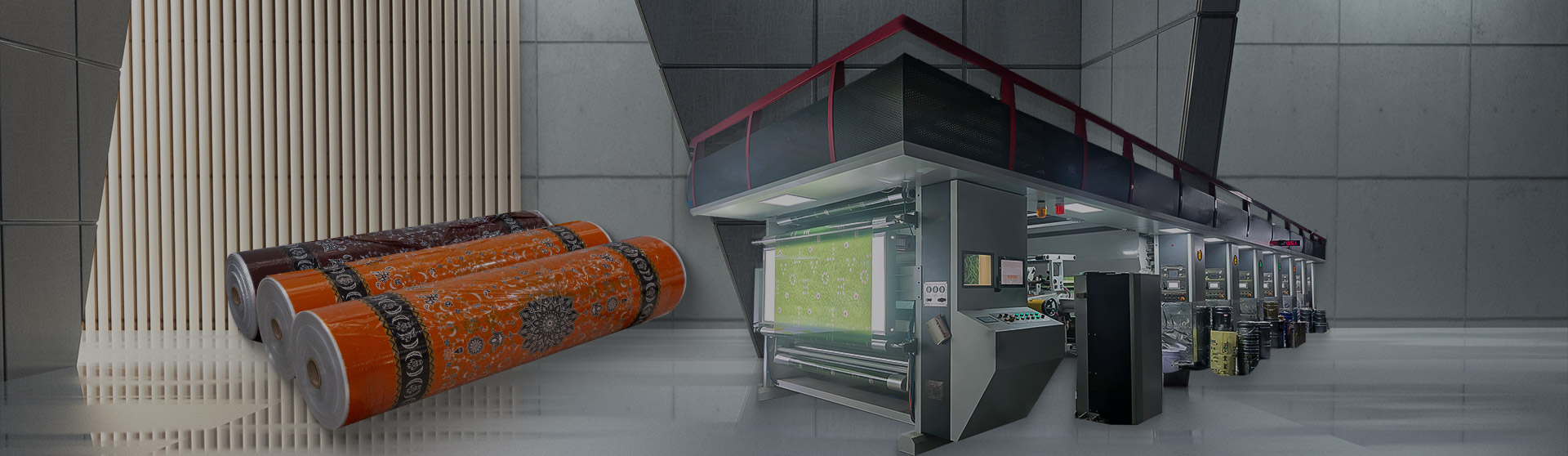
The difference between a convincing Imitation Tile Marble Wall Sticker and an obviously fake one usually comes down to color layering. A five-color press can reproduce the base veining and shadow tones, but a six-color press adds an extra ink channel that captures the subtle grey-to-gold transitions found in real marble slabs. We run two six-color presses with a maximum width of 2400mm, which lets us print continuous veining patterns across wide panels without the visible seam lines that show up when narrower rolls are pieced together. Beyond realism, ink density also affects UV fade resistance; a thicker ink layer holds its tone longer under direct sunlight, so panels installed near windows or balconies should specify UV-stable ink rather than standard indoor-grade printing.
| Factor | Marble Wall Sticker | Traditional Tile |
| Installation time (per 10㎡) | 2–3 hours | 1–2 days plus curing time |
| Added wall weight | Negligible | Significant, requires structural check |
| Grout maintenance | None | Regular resealing needed |
| Removable without demolition | Yes | No |
Visible seams are what most often give away an Imitation Tile Marble Wall Sticker, so the layout sequence matters. Working from a corner outward, rather than from the center of a wall, ensures any slight pattern mismatch ends up hidden in a less visible edge rather than in the middle of the wall. For inside corners, overlapping the two panels by roughly 5mm and cutting through both layers at once with a sharp blade produces a tighter joint than butting the edges directly against each other. For outside corners, wrapping a single continuous panel around the edge avoids a seam altogether, though this only works on panels with enough flexibility in the base film to bend without cracking the printed surface layer.
Thickness is often overlooked, but it directly affects how the panel performs after installation. A thinner film under 0.3mm feels closer to wallpaper and telegraphs every bump or imperfection on the wall beneath it, while a thicker composite in the 0.6–1.0mm range has enough foam cushioning to disguise minor surface irregularities and gives a more convincing tactile impression of real stone when touched. Thicker panels also resist puncture from accidental scraping by furniture corners, which matters in hallways and stairwells where wall contact is frequent. Because our extrusion compounding line runs up to 2300mm wide, we're able to keep foam density consistent across a full panel so thickness doesn't taper unevenly toward the edges, which is a common defect in narrower production setups.
Copyright © Anhui Morning Language Science and Technology Materials Co., Ltd. All Rights Reserved.
 Waterproof Marble Wall Sticker Factory



 English
 Français
 русский
 عربى
عربى Español