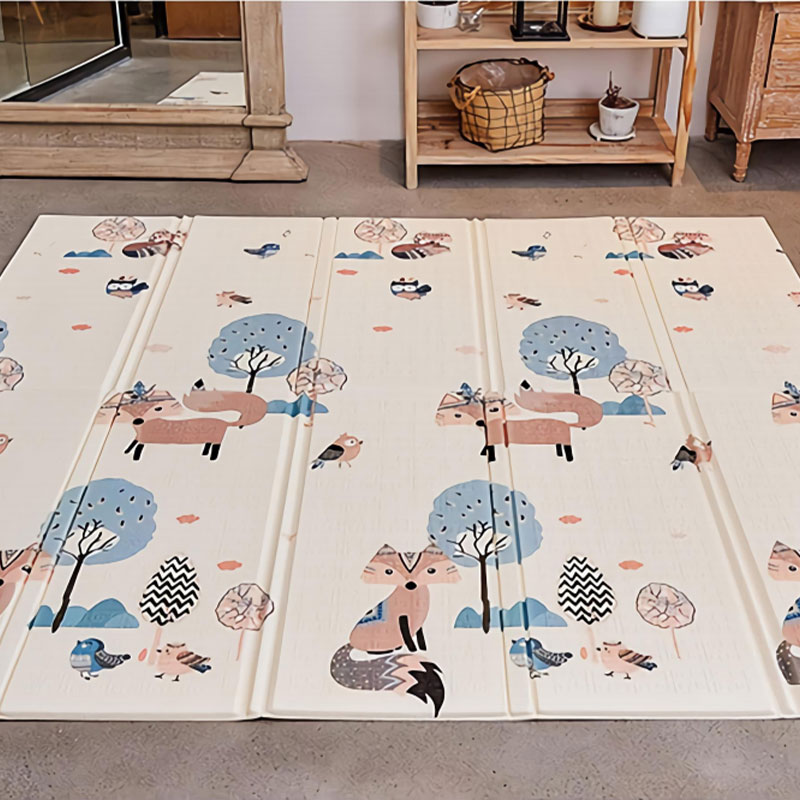
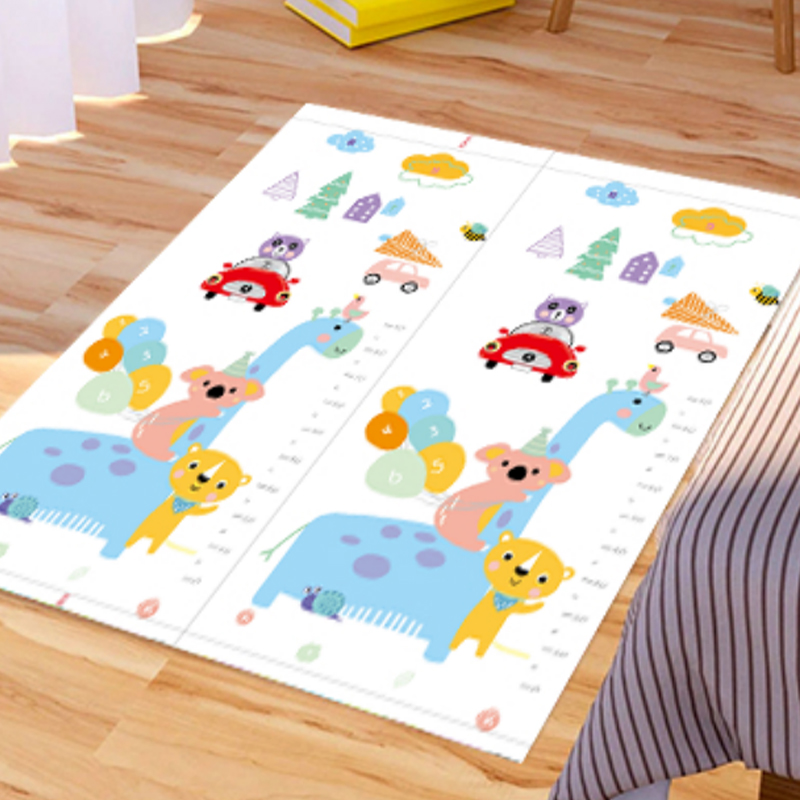
Outdoor picnic mat picnic mat moisture-proof mat camping picnic spring trip mat
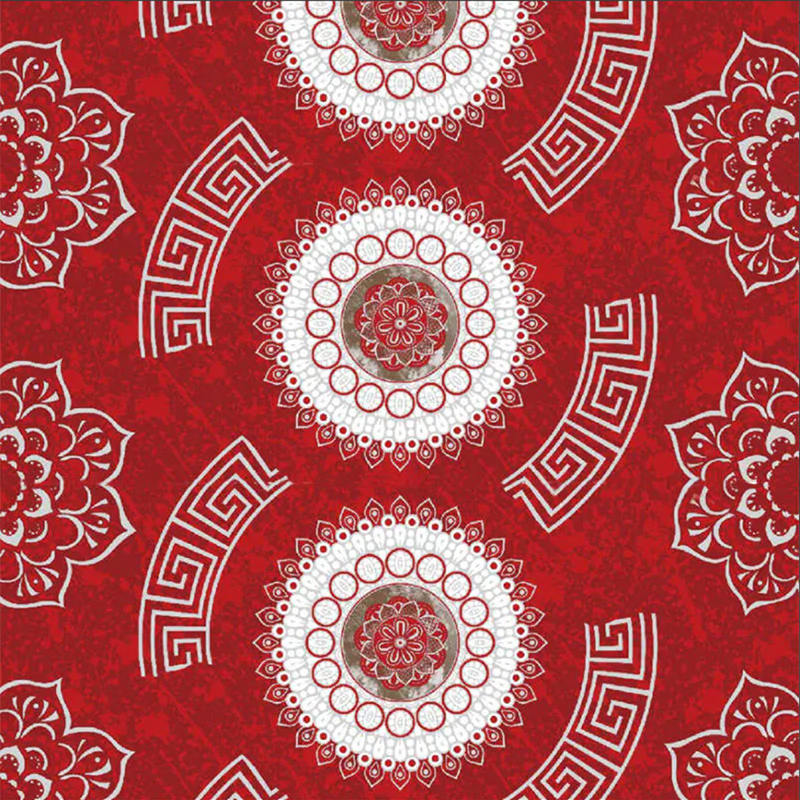
300mm-2100mm Printed composite film for packaging, construction
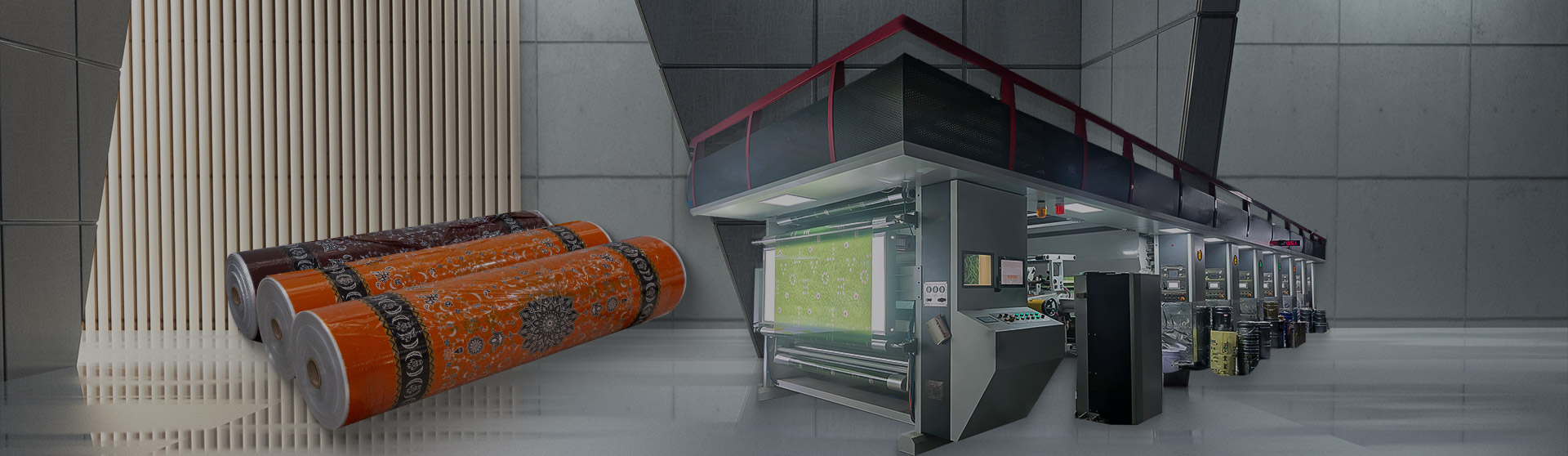
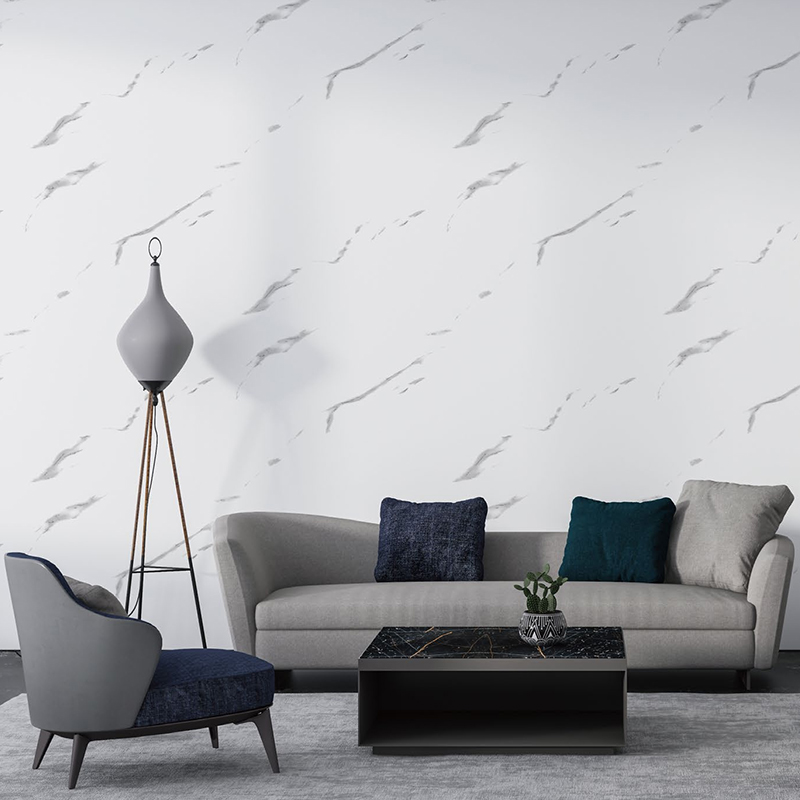
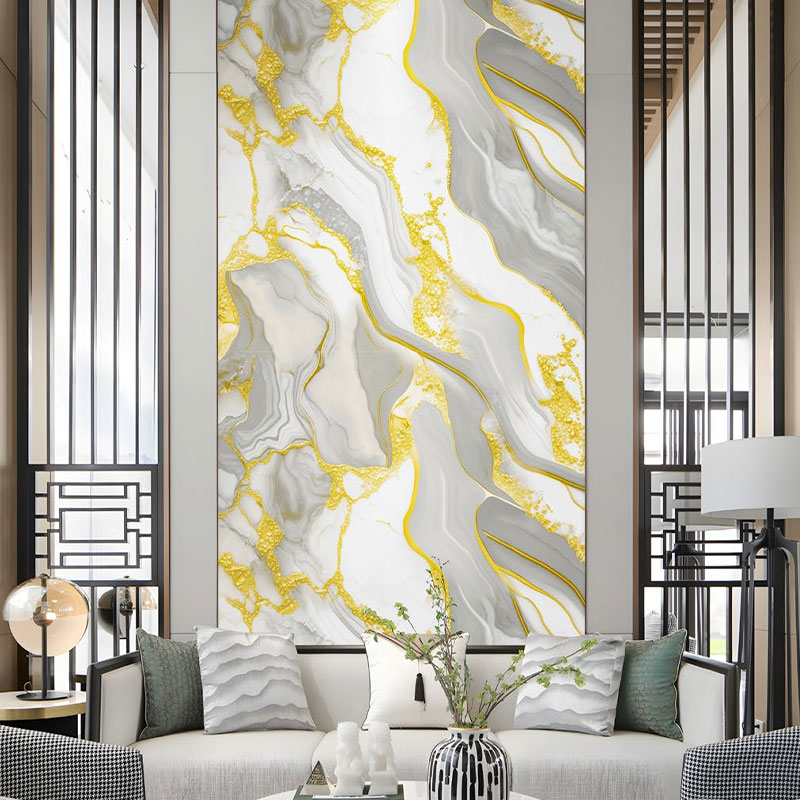
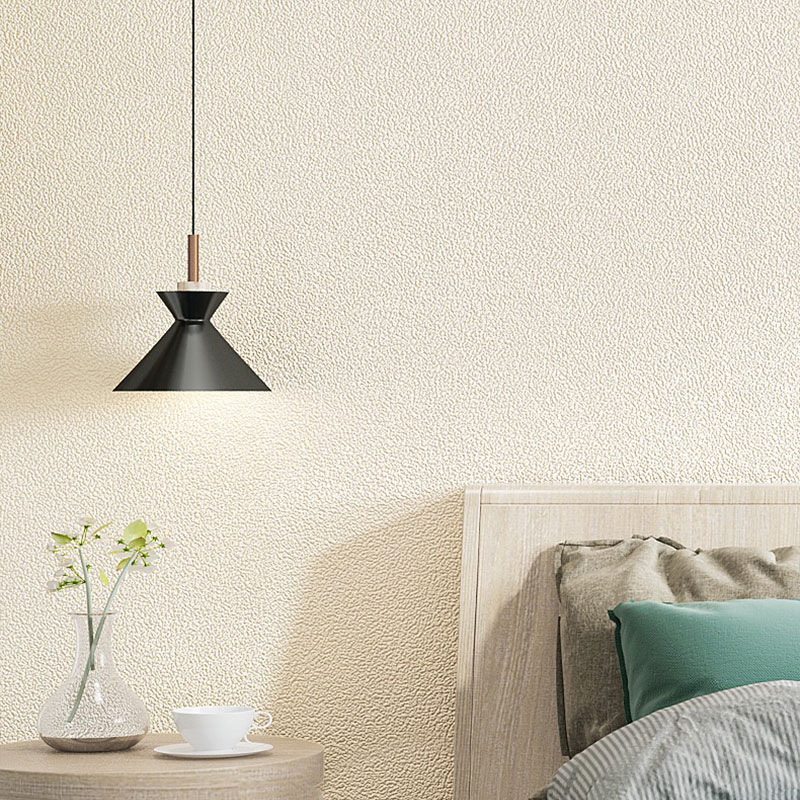
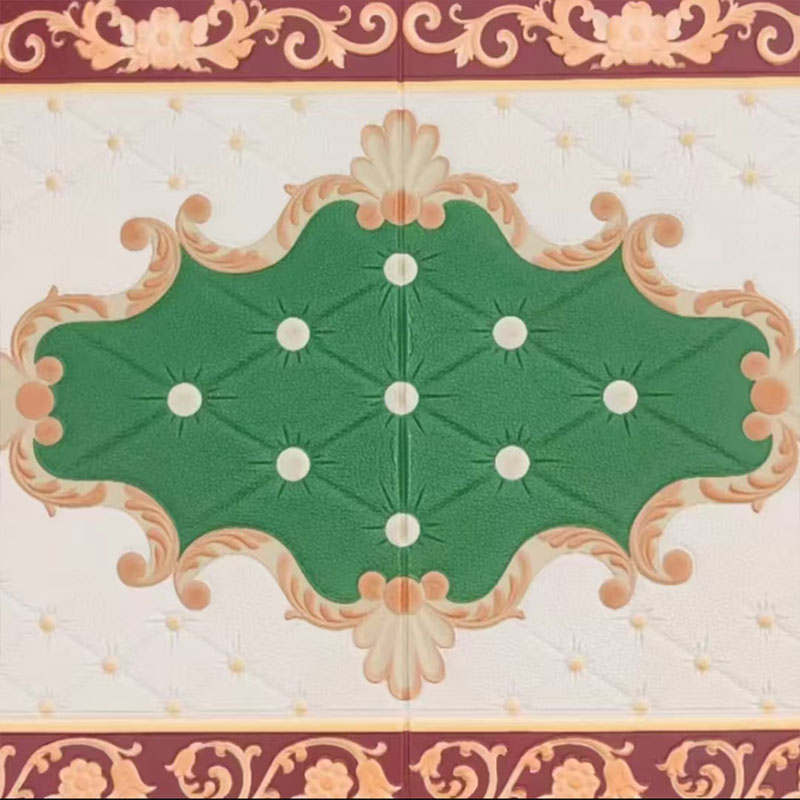
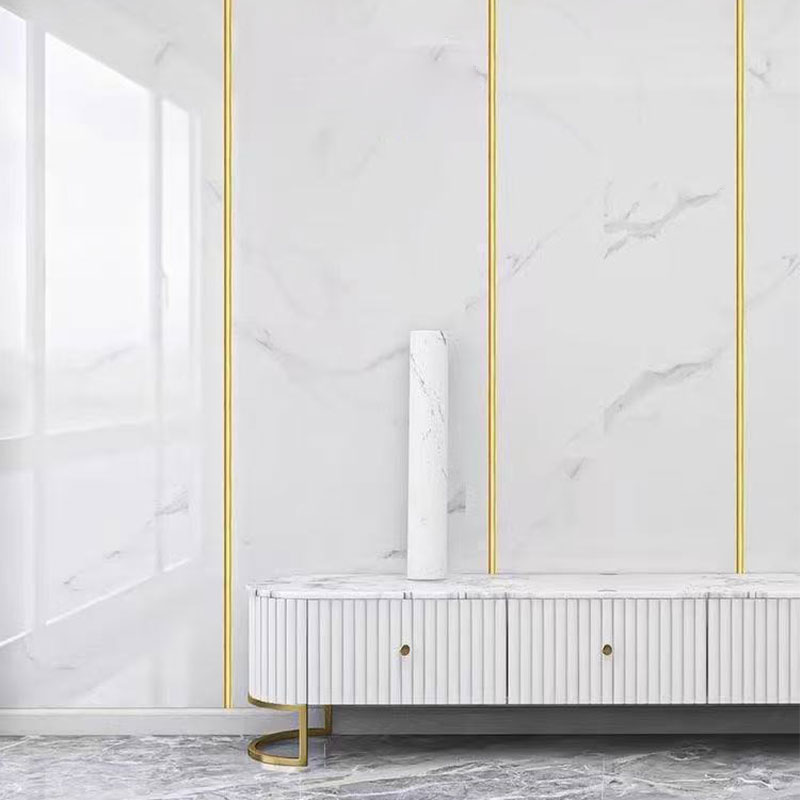
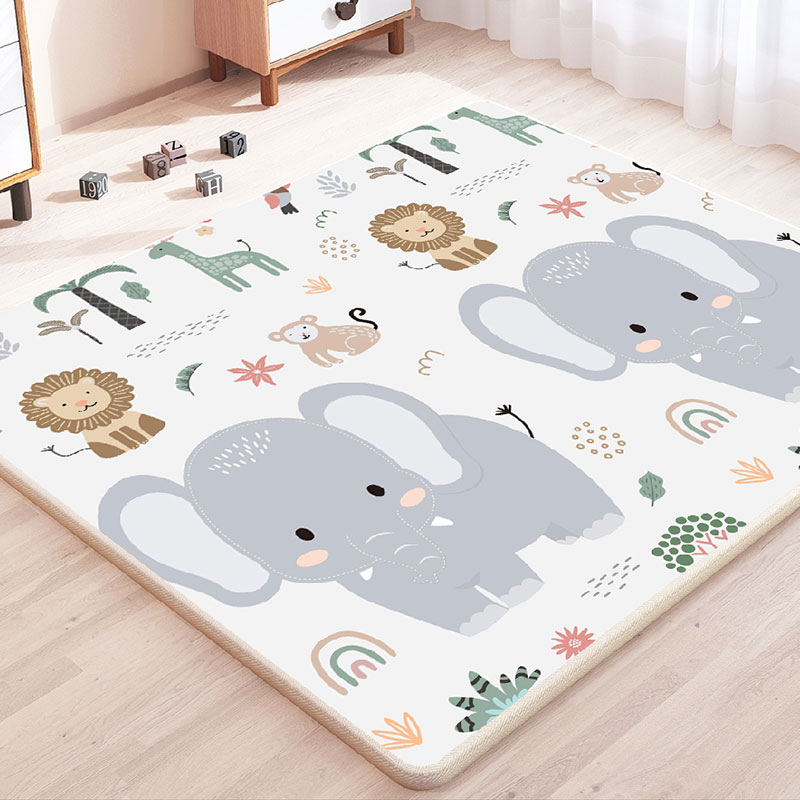
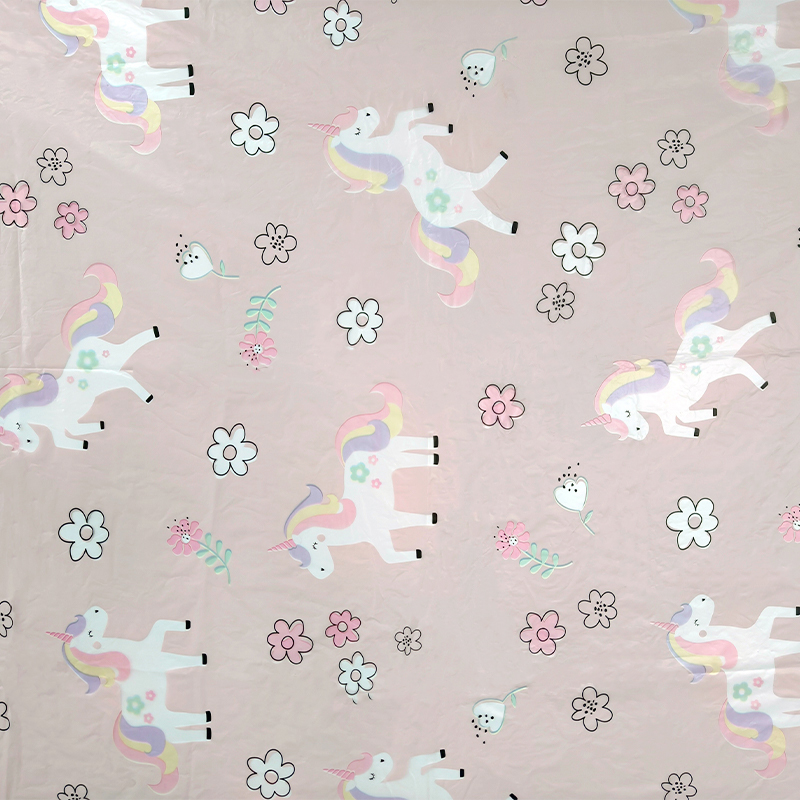
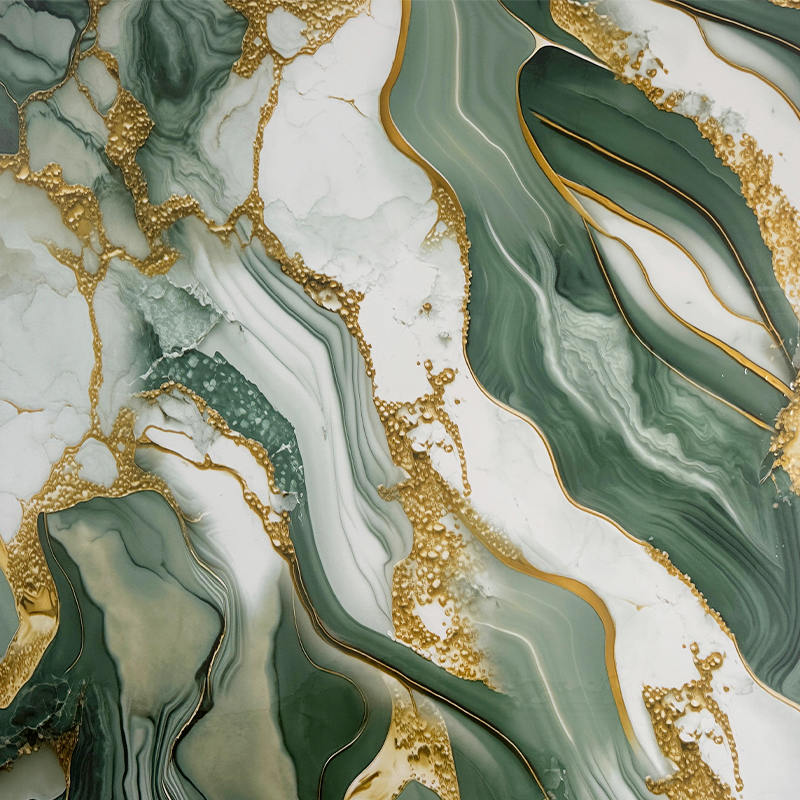
The company can produce all kinds of: EPE/XPE crawling mat color printing film, XPE wall paste color printing film and PET, VMPET, BOPP and other decorative color printing film.

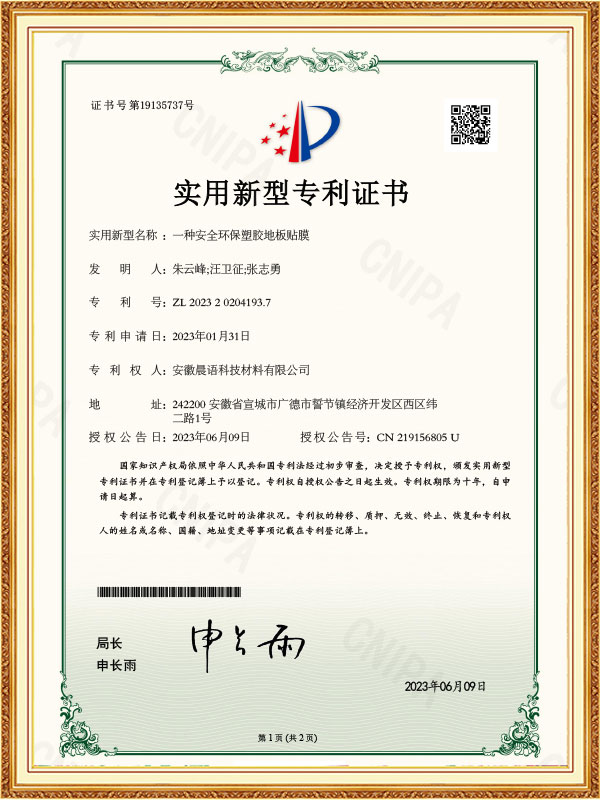
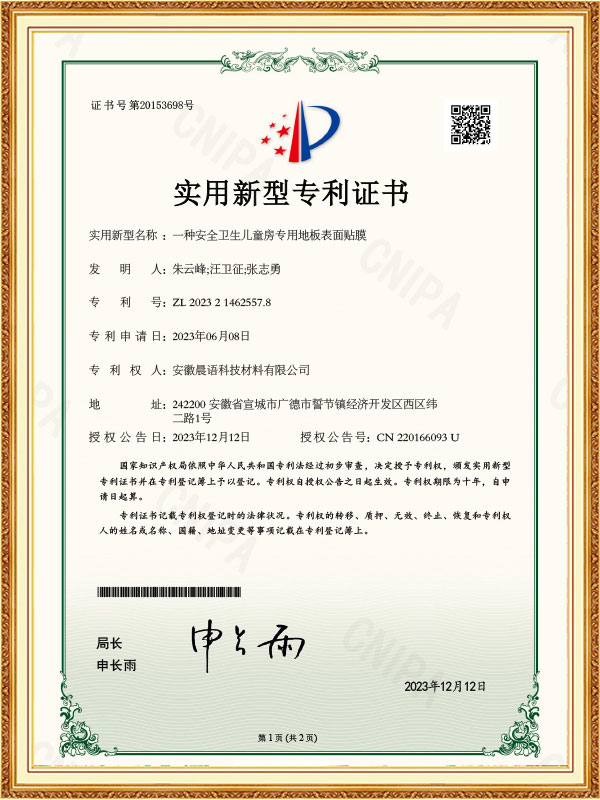
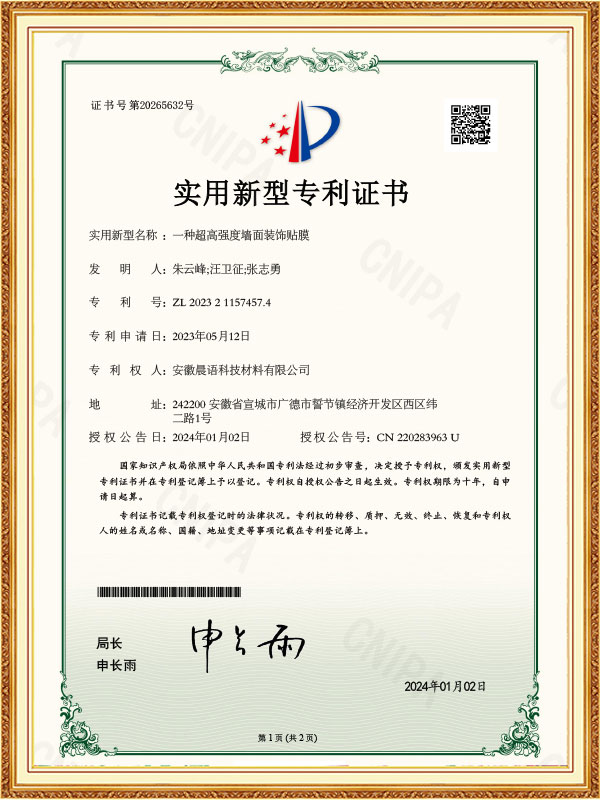
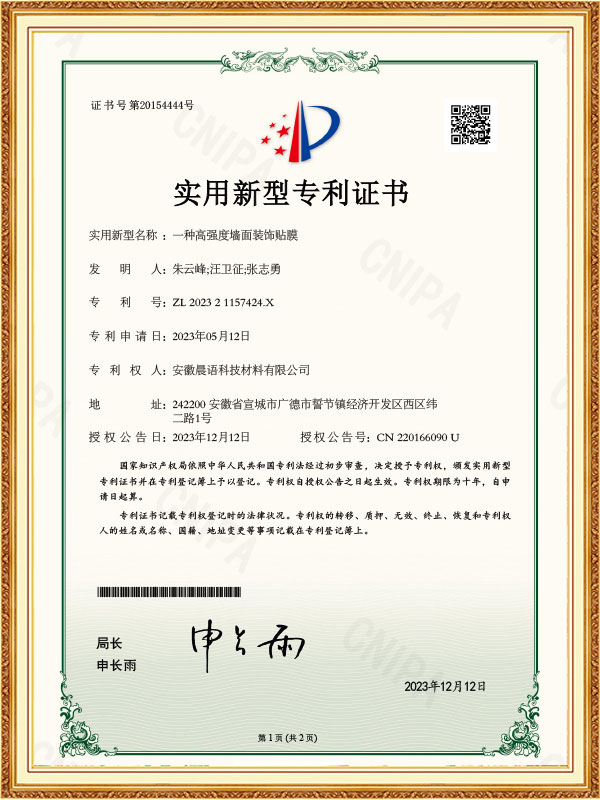
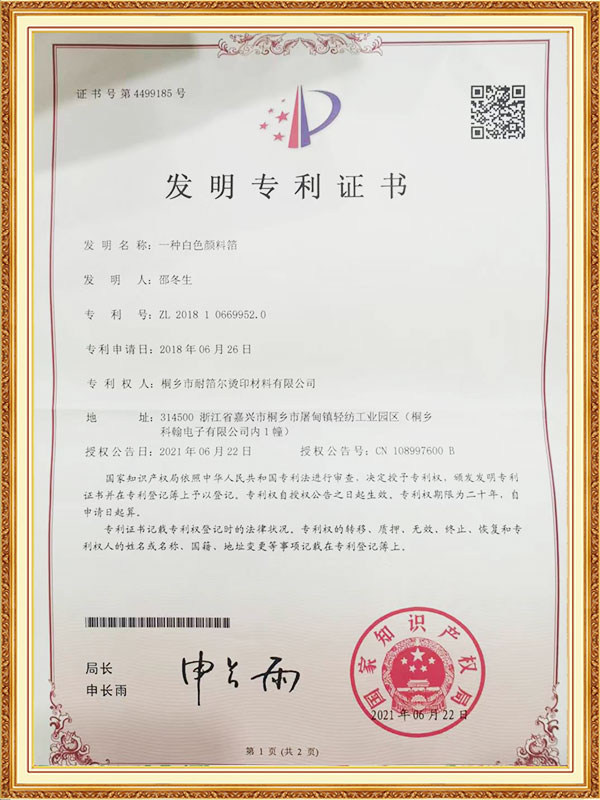
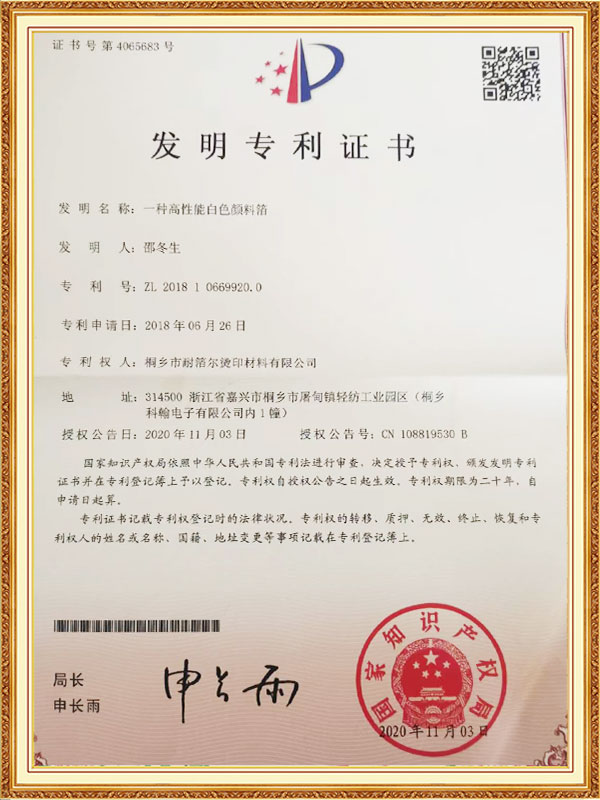
A foldable crawling mat rarely gets the attention it deserves. It arrives folded in a box, unfolds ...
Exterior wall decorative film is a printed, flexible film that is bonded to the outside face of a w...
Some materials announce themselves; decorative material film rarely does. It is the printed layer t...
A crawling mat looks almost too simple to think about: a soft, colorful surface rolled out on the f...
Composite packaging decorative material film is one of those quietly powerful materials that sits b...
A composite packaging decorative material film is rarely a single sheet of plastic — it is usually a laminated structure made of two or three functional layers bonded together through extrusion or adhesive compounding. Each layer contributes a specific property: the surface layer (often PET or BOPP) provides printability, gloss, and scratch resistance; the middle layer (commonly a foamed EPE or XPE core) provides cushioning, thermal insulation, and moisture buffering; and the base layer provides bonding strength to the substrate, whether that is a floor mat, a wall panel, or a cardboard box. When any one of these layers is too thin or poorly matched to the others, the finished product can look identical to a higher-grade film on the shelf but fail within weeks under real use — cracking at fold lines, delaminating under humidity, or losing color under sunlight.
In our own production line, we run 2300mm extrusion compounding and 2100mm solvent-free compounding side by side precisely because different end uses call for different bonding logic — a children's floor mat film needs a softer, more elastic bond, while an exterior wall film needs a bond that will not soften under prolonged heat exposure.
| Layer Position | Common Material | Primary Function |
| Surface Layer | PET / BOPP | Print carrier, gloss, abrasion resistance |
| Reflective/Barrier Layer | VMPET | Moisture barrier, metallic visual effect |
| Core Layer | EPE / XPE Foam | Cushioning, insulation, weight reduction |
| Bonding Layer | Solvent-free / dry adhesive | Interlayer adhesion, long-term durability |
These three substrates are often mentioned together, but they are not interchangeable. PET film offers high tensile strength and dimensional stability, which makes it the preferred choice when a decorative film needs to be printed with fine detail and still resist tearing during installation. VMPET (vacuum metalized PET) adds a thin aluminum coating that improves light reflection and moisture barrier performance, which is why it shows up frequently in wall insulation applications where blocking humidity transfer matters as much as appearance. BOPP (biaxially oriented polypropylene) is lighter and more cost-efficient, with good clarity, but it has lower heat resistance than PET, so it is generally better suited to indoor or short-exposure applications rather than direct sun-facing exterior walls.
We keep all three substrate lines running in parallel so that a single order — say, a wall project that needs a VMPET vapor barrier under a printed PET decorative face — can be produced and matched in the same facility without cross-shipping materials between suppliers.
An exterior wall decorative film is exposed to a completely different stress profile than an interior film: direct UV radiation, temperature swings between day and night, rain, and in some regions, salt-laden coastal air. Standard indoor-grade printing ink can visibly fade within a single season under strong UV exposure, while a wall film formulated for outdoor use should be tested against accelerated UV aging equivalent to at least 500–1000 hours in a xenon lamp chamber before it is considered stable for a multi-year exterior application. Buyers sourcing exterior film should always ask for the specific UV resistance testing hours behind a color-fastness claim, rather than accepting a general "weatherproof" label without data.
Solvent-free compounding applies adhesive directly without a drying tunnel that evaporates solvent, which means the finished roll carries little to no residual solvent odor and is generally considered more suitable for products used in enclosed spaces, such as children's room floor and wall films. Dry compounding, by contrast, uses a solvent-based adhesive that passes through an oven to evaporate the carrier before the layers are pressed together; this method has a longer track record for achieving very high bond strength on demanding substrate combinations, but it requires tighter control of residual solvent levels to avoid odor complaints after installation. Neither method is universally "better" — the right choice depends on the substrate combination, the ventilation conditions of the finished product's end use, and the bond strength required.
Because odor and safety are especially sensitive for products that end up in children's rooms, we run solvent-free compounding as a dedicated line rather than switching a single machine back and forth, which keeps residual solvent readings consistent batch to batch.
Decorative film printed on a five- or six-color press builds its final image through successive ink passes, and even small misregistration between color stations — sometimes less than half a millimeter — can produce visible ghosting or color shift on patterns with fine linework, such as wood grain or marble textures. Wider presses, including 2400mm-class equipment, face an additional challenge: maintaining even tension and consistent color density across the full web width, since uneven tension at the edges can cause subtle color drift from one side of the roll to the other. Buyers evaluating sample rolls should check color consistency not just at the center of the roll but also near both edges, particularly for large-format wall decoration orders where multiple rolls will be installed side by side and any edge-to-edge color variance becomes visible on the finished wall.
| Issue | Likely Cause | Prevention |
| Color shift across roll width | Uneven web tension | Tension calibration before full production run |
| Pattern repeat visible at seams | Incorrect roll sequencing on site | Sequential roll numbering from the same batch |
| Fine detail blur | Color-to-color misregistration | Press calibration between production batches |
Decorative film performance can be compromised long before it reaches a job site if storage conditions are poor. Rolls stored in high humidity for extended periods can absorb moisture into the foam core, which later causes bubbling or delamination once the film is exposed to heat during use. Similarly, stacking rolls horizontally under heavy weight for long durations can cause uneven compression of the foam layer, leading to visible thickness inconsistency when the roll is finally unwound. For international shipments — particularly to humid coastal regions in Southeast Asia — moisture-resistant packaging and desiccant inclusion inside export cartons make a measurable difference in maintaining product quality on arrival.
Since our products are regularly exported to humid destinations across Africa and Southeast Asia, we build moisture control into our export packaging as a standard step rather than an optional add-on, precisely to protect the film quality our overseas customers expect on arrival.
Copyright © Anhui Morning Language Science and Technology Materials Co., Ltd. All Rights Reserved.
 Composite Packaging Decorative Material Film Company



 English
 Français
 русский
 عربى
عربى Español