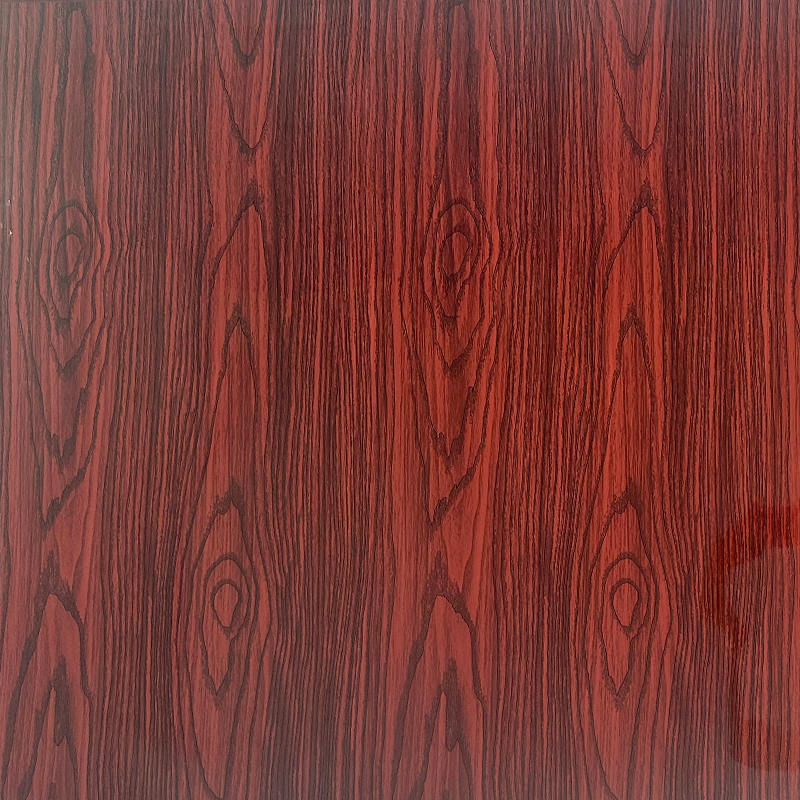
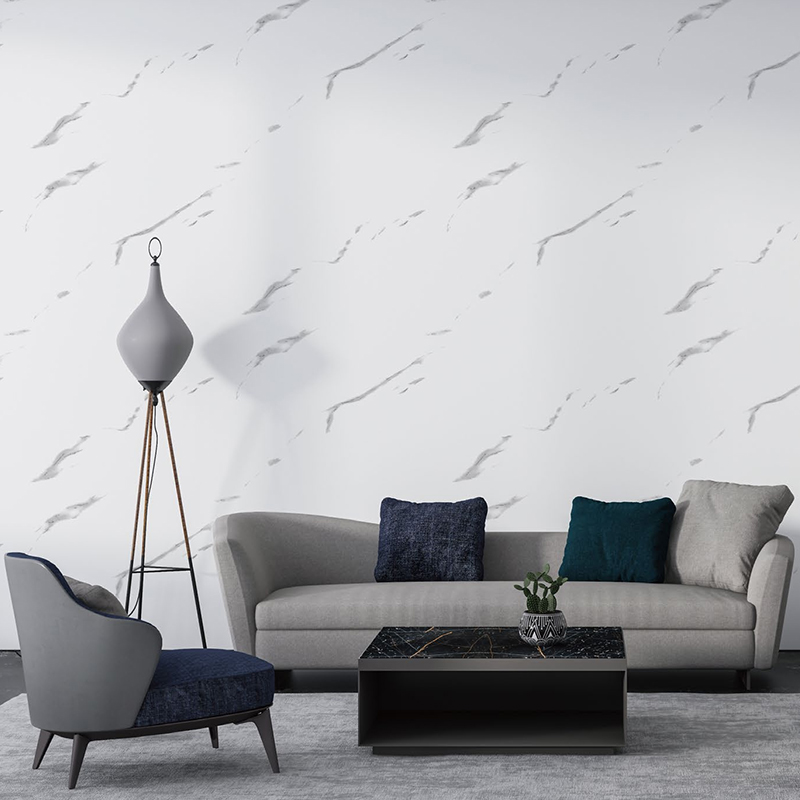
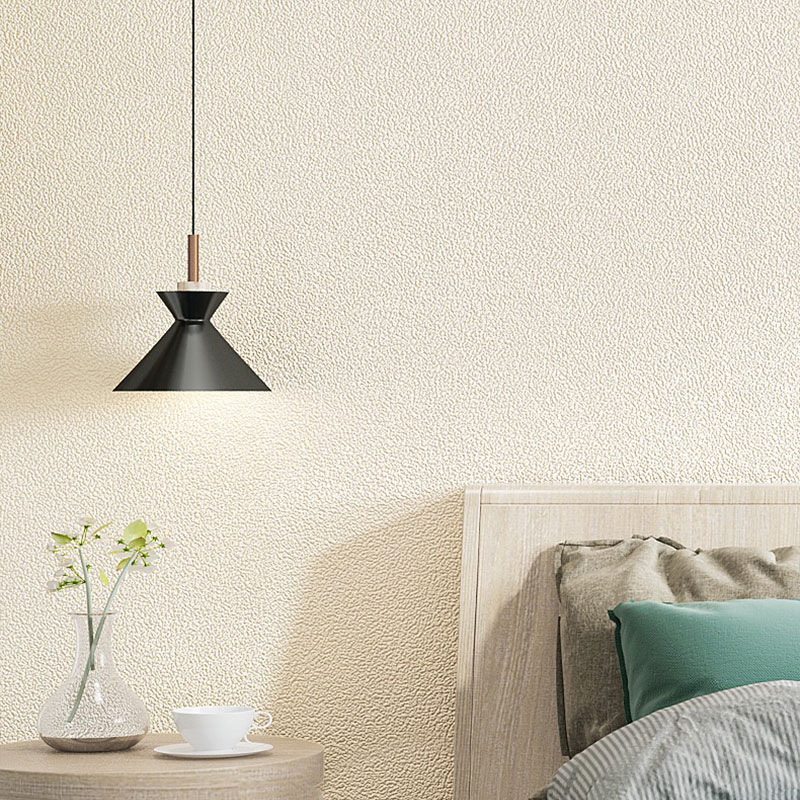
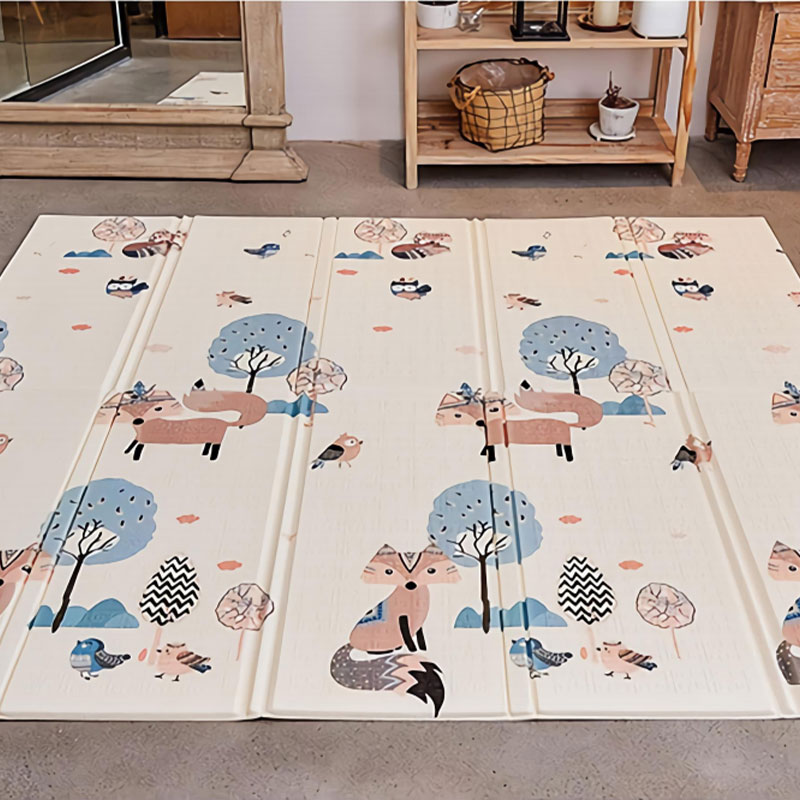
Layer Structures That Actually Matter for Printed Composite Film in Packaging
Most buyers judge printed composite film for packaging by the surface graphics alone, but the layers underneath the print determine whether that graphic survives transport, humidity, and shelf life. A typical three-layer laminate pairs a printed BOPP or PET outer layer with a VMPET or AL-foil barrier layer, then finishes with a PE or CPP heat-seal layer. The barrier layer is what actually blocks oxygen and moisture transmission; the printed layer only carries the ink. Getting the bond strength between these layers wrong — usually below 2.5 N/15mm — is the single most common cause of delamination complaints after filling.
| Structure |
Typical Thickness |
Best Use |
| PET/VMPET/PE |
60-90μm |
Snack and dry food pouches |
| BOPP/CPP |
40-70μm |
Candy twist-wrap, low-barrier items |
| PET/AL/PE |
100-140μm |
Liquid sachets, retort pouches |
Why Ink Adhesion Fails Even When the Film Passes Inspection
A film can pass a standard tape-pull test in the warehouse and still fail after six months on a shelf. The reason is usually surface treatment decay — corona-treated BOPP loses dyne level over time, especially in humid storage. Converters who print more than 30 days after corona treatment should re-test dyne level rather than assume it holds at 38 dyne/cm.
Why Width Range Matters More Than Most Specs on a Construction Film Order
300mm-2100mm printed composite film for construction is rarely bought at a single fixed width — it's bought as a range because construction sites cut differently depending on application. Formwork wrap, curing membrane, and scaffolding protection sheet each pull from a different part of that range, and ordering the wrong slit width creates two costs at once: material waste from oversized trims, and labor cost from field workers re-cutting narrow rolls on-site.
- 300-600mm: edge sealing, pipe wrap, joint protection
- 700-1200mm: formwork release film, small-panel curing cover
- 1300-1800mm: scaffold safety netting backer, façade protection
- 1900-2100mm: large-slab curing membrane, ground cover for poured concrete
Slitting tolerance is the detail most specification sheets skip. At widths above 1800mm, a tolerance looser than ±1mm compounds visibly across a full roll, causing wrinkling when the film is unwound under tension on a construction winder.
Matching Tensile Strength to Site Conditions
Construction film is handled far more roughly than packaging film — dragged over rebar, stapled to timber, exposed to wind loading. A machine-direction tensile strength below 40 MPa tends to tear at staple points within a week of exposure. Specifying reinforced or cross-laminated (HDPE scrim) composite structures adds cost per roll but meaningfully cuts mid-project replacement.
Gravure vs. Flexo Printing: Picking the Right Process for Composite Film Graphics
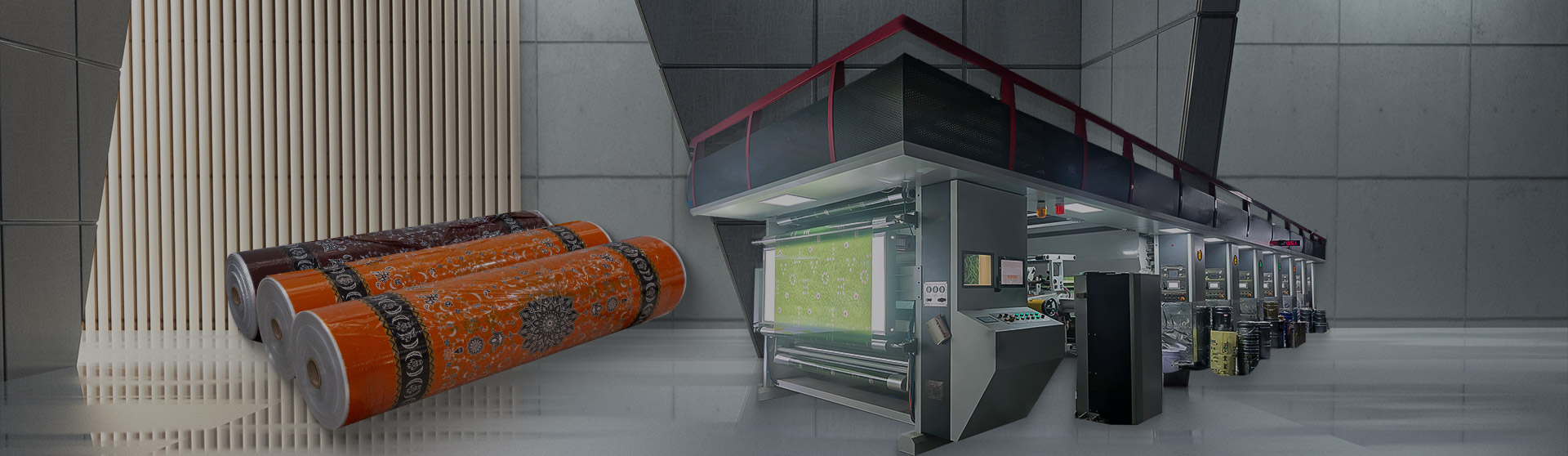
Gravure printing holds tighter color registration and finer detail, which is why most packaging brands with photographic-quality graphics still specify it despite the higher plate cost. Flexo has closed much of that gap for solid-color and text-heavy designs, and its lower setup cost makes it the more sensible choice for short runs or frequent SKU changes common in construction-site branding, where logos and safety markings change by project rather than by product line.
- Gravure: better for runs above 8,000-10,000 meters, superior gradient reproduction
- Flexo: lower plate cost, faster changeover, adequate for 2-4 spot colors
- Digital: best for sample runs and short-batch custom branding under 2,000 meters
UV Stability and Weathering Data Worth Asking For
Outdoor construction film degrades primarily through UV-driven chain scission in the PE layer, which shows up as chalking and brittleness before it shows up as visible color loss. A film rated for 6 months of outdoor exposure without UV stabilizer additives will typically show measurable elongation loss after 8-10 weeks in high-UV regions. If a project runs longer than a single season, it's worth requesting accelerated weathering test data (QUV or xenon-arc, per ASTM G154) rather than relying on a generic "UV-resistant" label, since the additive dosage — not just its presence — determines real-world service life.
Keeping Lamination and Slitting Lines Running Without Unplanned Downtime
Film quality is only half the equation — the precision of the machinery producing it matters just as much, particularly at the roller and bearing level where composite film wraps under constant tension. Worn bushings on a laminating line's nip rollers introduce micro-vibration that shows up downstream as banding or uneven adhesive coat weight, defects that are often misdiagnosed as a film or adhesive problem when the real cause is mechanical wear. We've spent years machining the copper-alloy sleeves and bushings that go into exactly this kind of equipment, and it's given us a close view of how much roller precision affects finished film quality before the material even reaches the printing stage.
- Check bushing clearance on nip and chill rollers every 2,000-3,000 operating hours
- Inspect slitter blade alignment weekly on lines running above 1800mm width
- Log winder tension drift, since it accelerates edge-trim waste over time
Because our own production runs on copper-sleeve and copper-sliding-plate components sized up to 4 meters, we've built a fairly practical understanding of where mechanical tolerance stops being cosmetic and starts affecting output quality — something that carries directly into how we think about the composite film side of the business as well.



 English
 Français
 русский
 عربى
عربى Español