

 English
 Français
 русский
 عربى
عربى Español
| Materials | Transparent PE, milky white PE, matte PE, BOPP, matte BOPP, PET, VMPET, etc. |
| Printable width | 600MM-2400MM |
| Features | Ink-resistant, friction-resistant, moisture-proof, and anti-oxidation barrier properties |
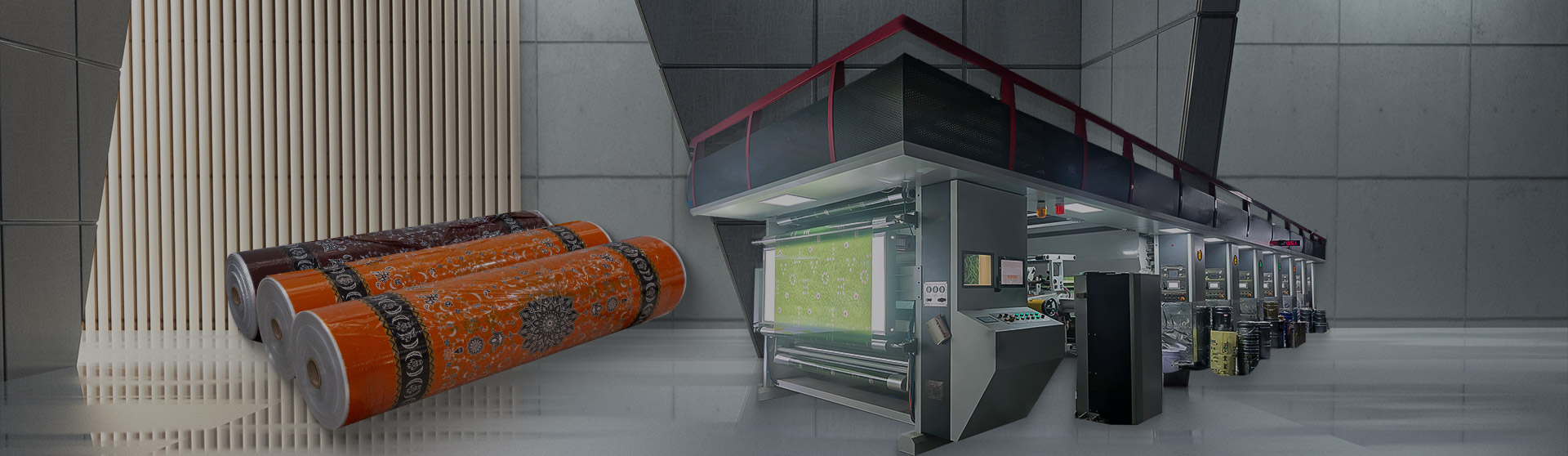
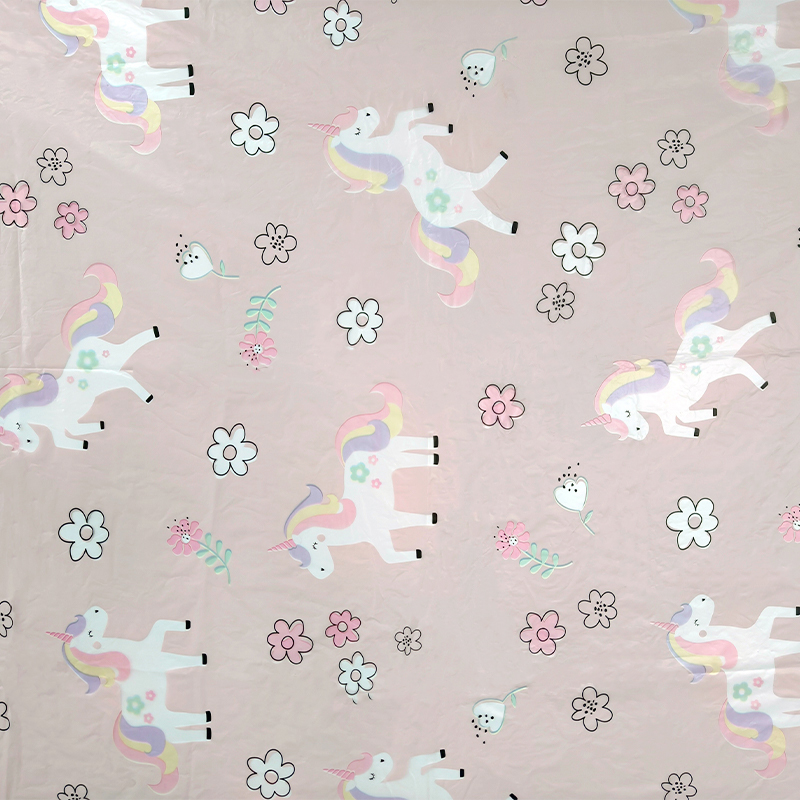
The product is made of transparent PE, milky white PE, matte PE, BOPP, matte BOPP, PET, VMPET and other materials. It has good structural adaptability and can meet the needs of different packaging forms. The printable width is 600mm to 2400mm, and large-format customized printing is supported. The material has uniform surface treatment, strong ink adhesion, clear printing patterns and bright colors; it also has good wear resistance and is not easy to scratch or discolor during transportation and use. The film material also has excellent moisture-proof and antioxidant properties, which effectively extends the shelf life of the product and improves the protective ability of the packaging.
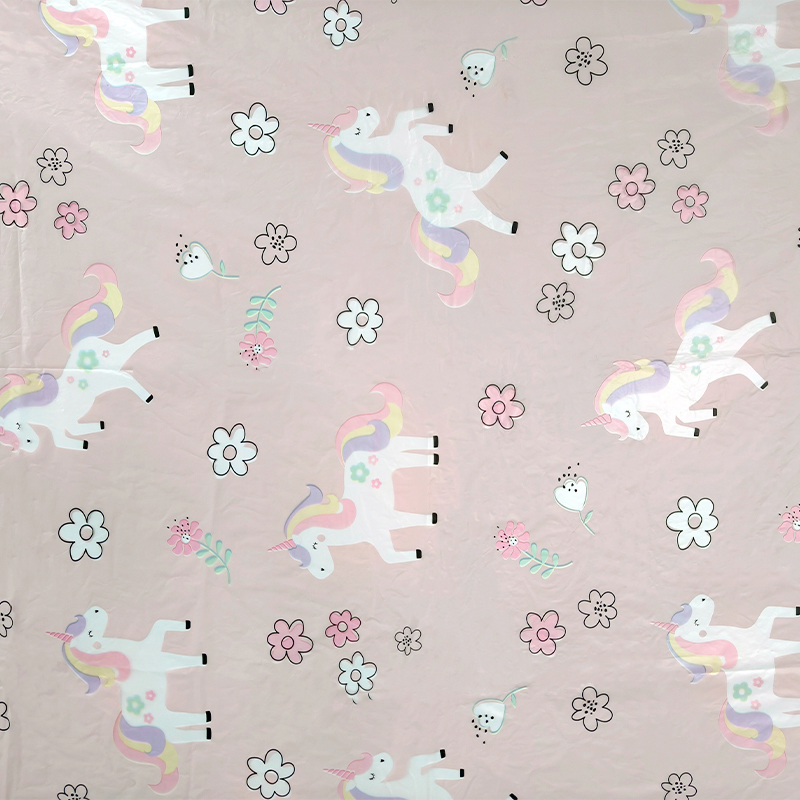
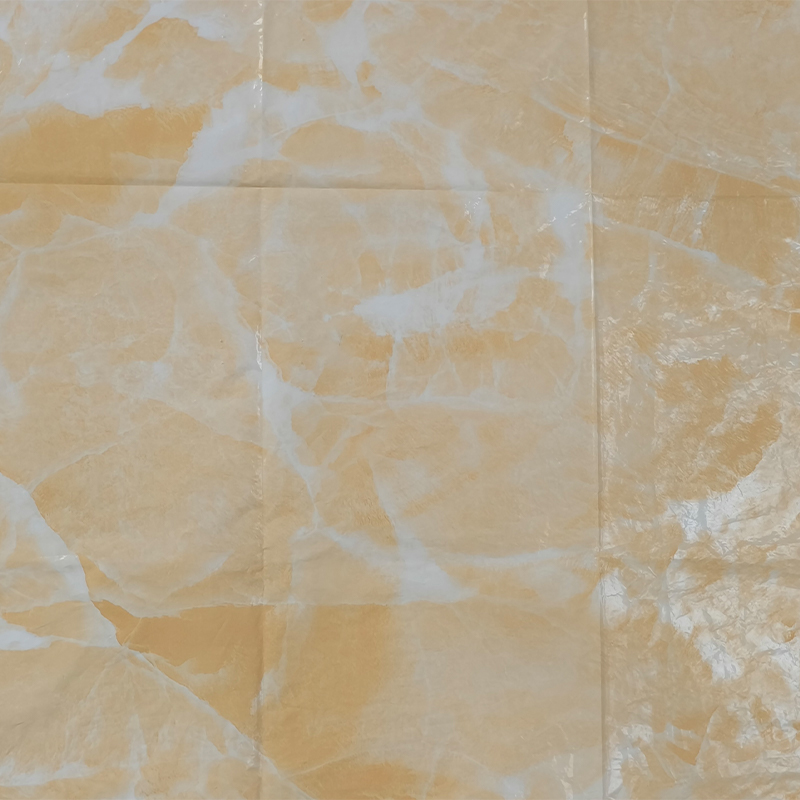
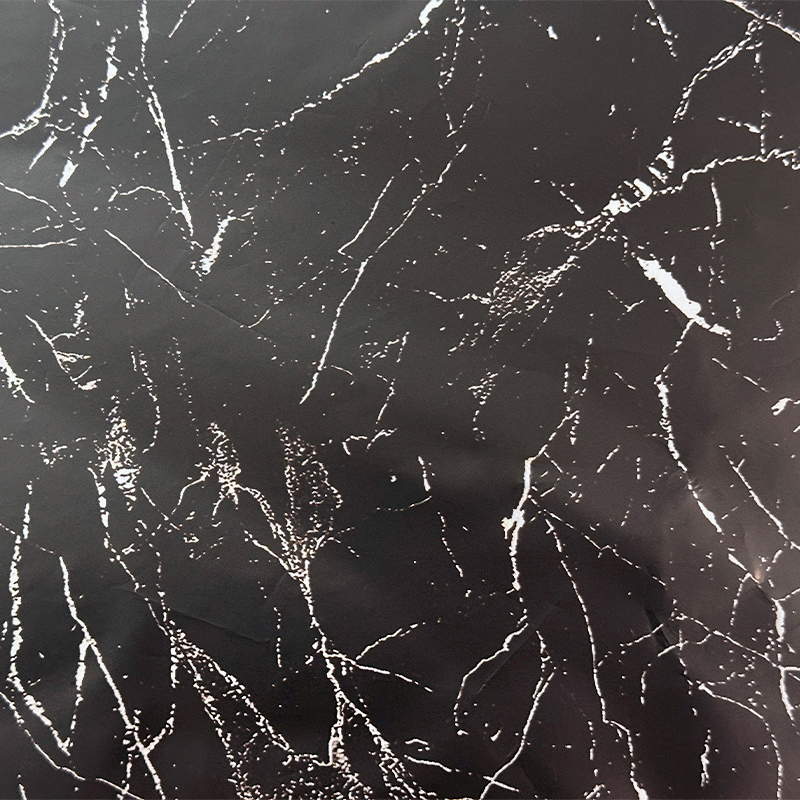
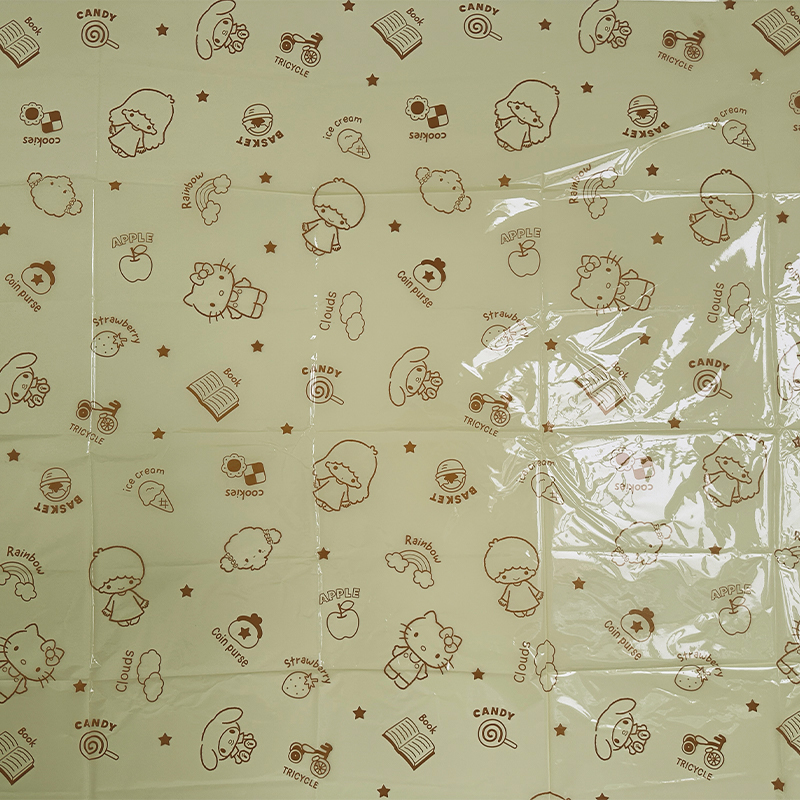


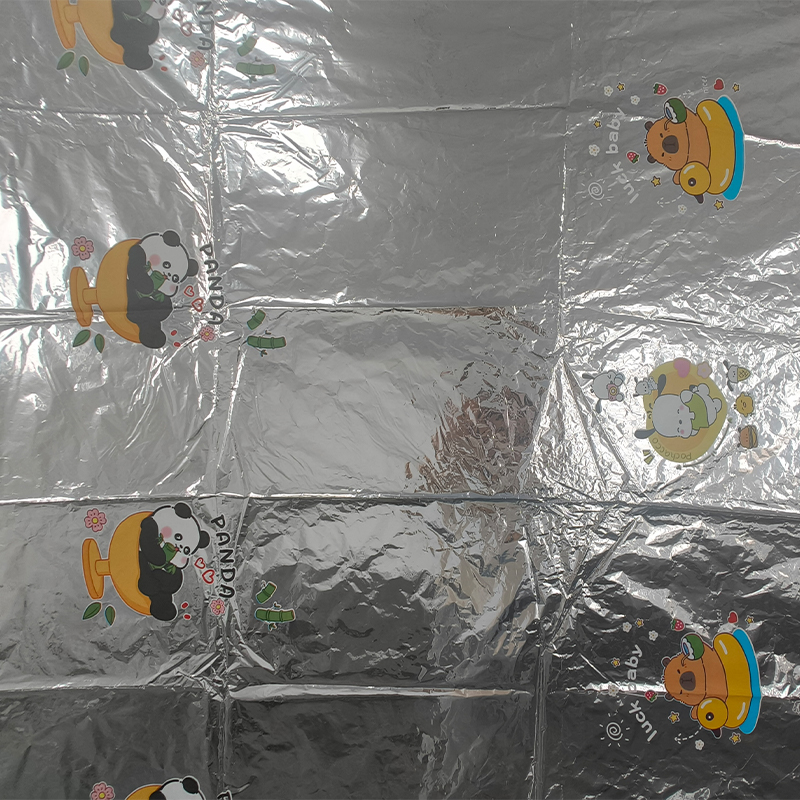
| Materials | Transparent PE, milky white PE, matte PE, BOPP, matte BOPP, PET, VMPET, etc. |
| Printable width | 600MM-2400MM |
| Features | Ink-resistant, friction-resistant, moisture-proof, and anti-oxidation barrier properties |
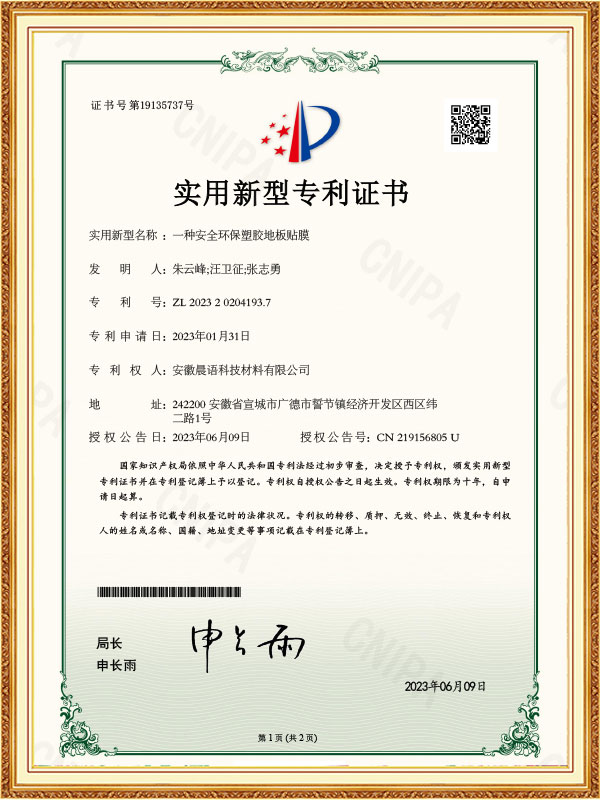
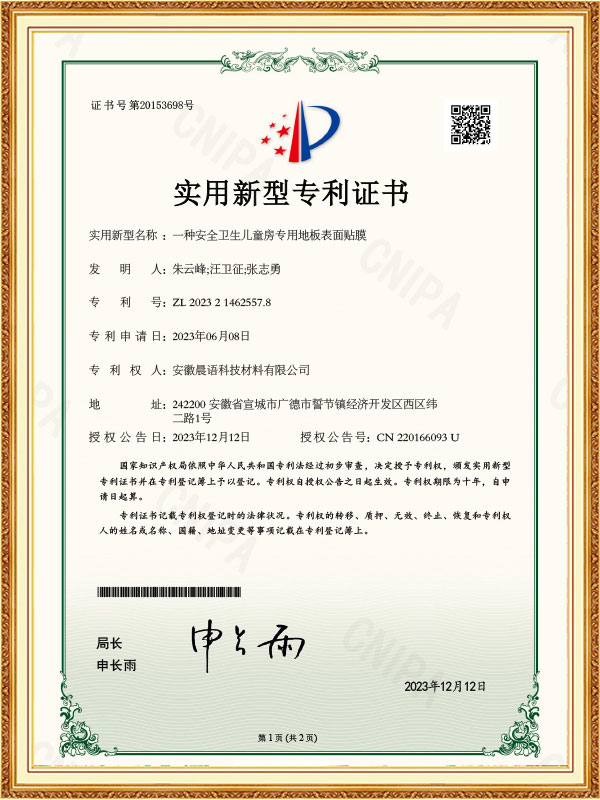
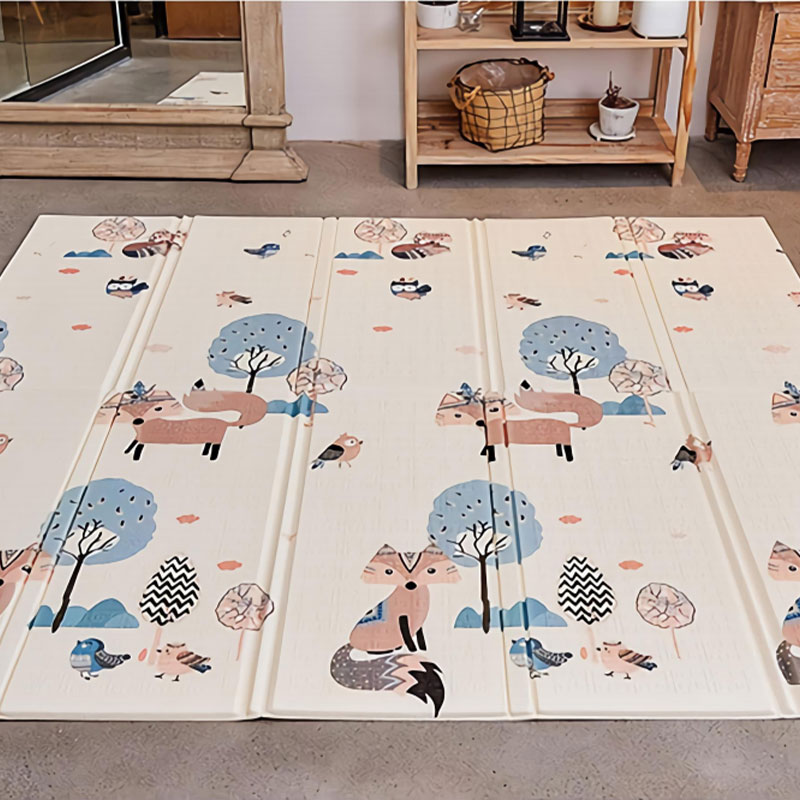
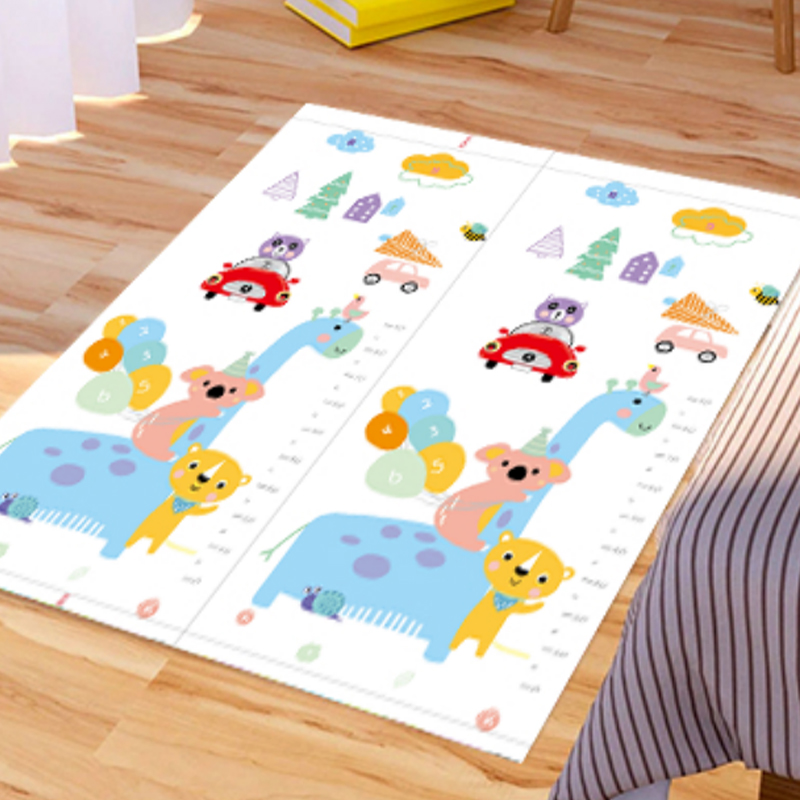
A foldable crawling mat rarely gets the attention it deserves. It arrives folded in a box, unfolds in seconds, and then quietly becomes the place where a baby ...
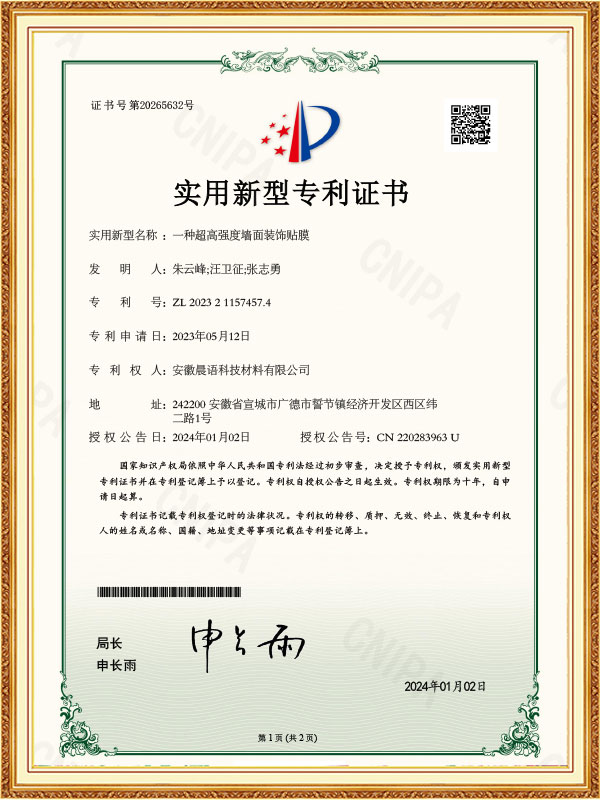
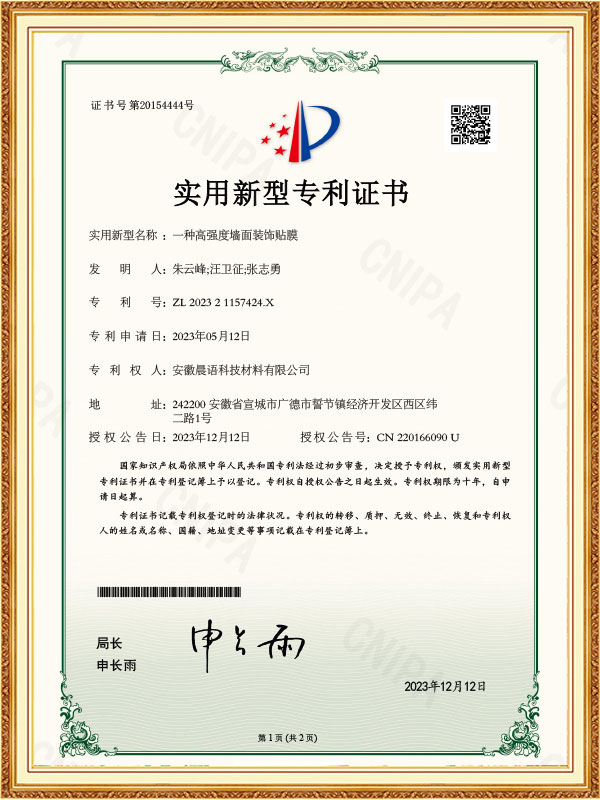
Exterior wall decorative film is a printed, flexible film that is bonded to the outside face of a wall to change how that surface looks, and often how it perfo...
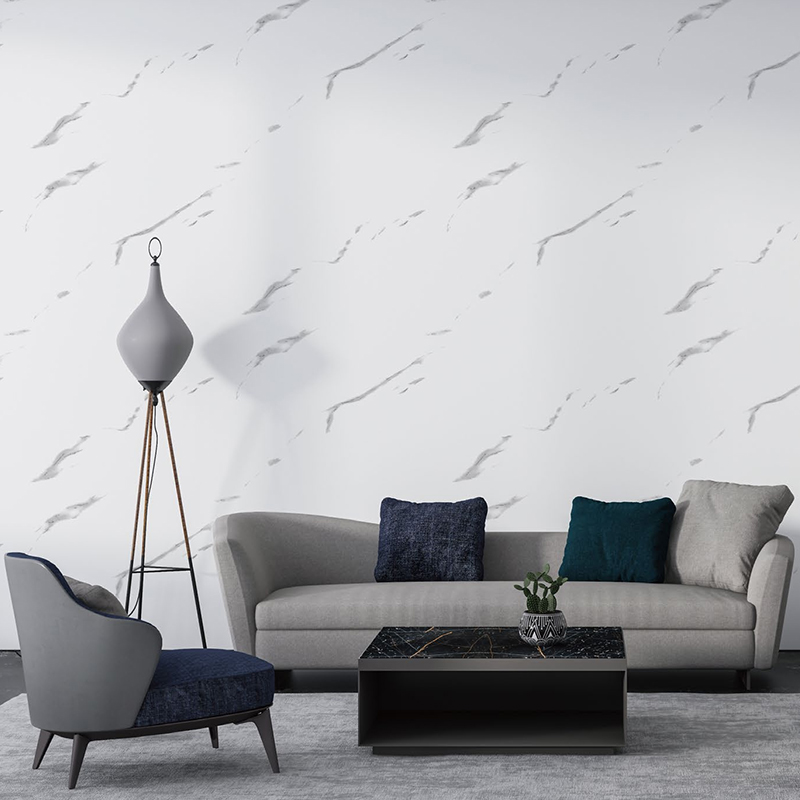
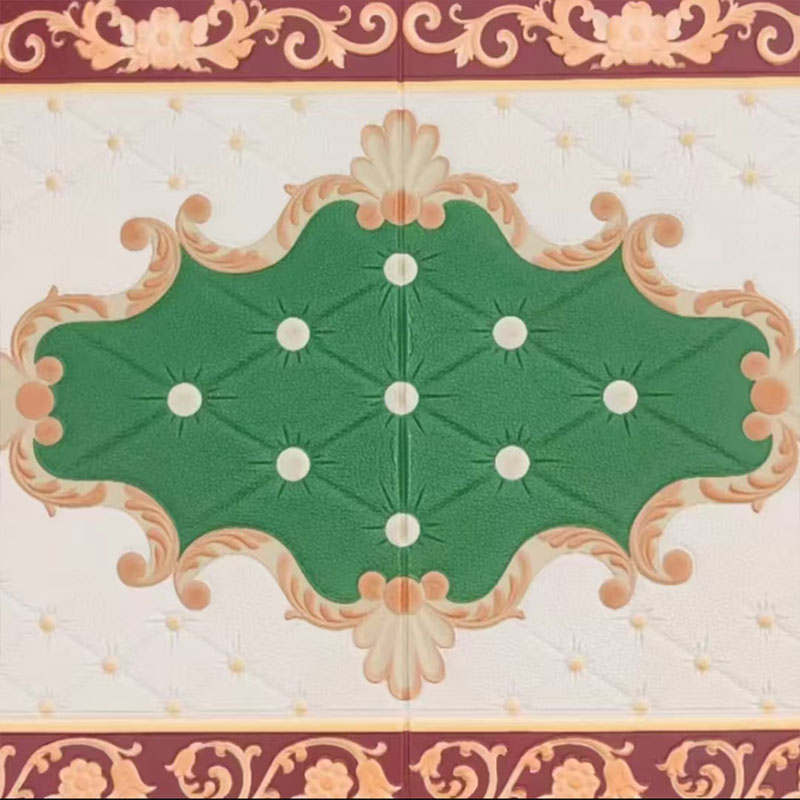
Some materials announce themselves; decorative material film rarely does. It is the printed layer that makes a plain wall read as marble, or the surface that m...
A crawling mat looks almost too simple to think about: a soft, colorful surface rolled out on the floor. Underneath that surface, though, sits a short stack of...
Thermal Insulation Film Printing depends heavily on how the film surface is treated before ink ever touches it. Most insulation substrates — whether PE-coated kraft, foil-scrim-kraft (FSK), or metallized polyester — have naturally low surface energy, which causes ink to bead or peel after curing. Corona or plasma treatment raises the dyne level of the film surface so that ink can wet out evenly and bond mechanically into the micro-etched surface layer. Skipping or under-treating this step is one of the most common causes of delamination complaints months after installation, especially in humid or high-temperature environments where the film is expected to hold its printed graphics for years.
| Substrate Type | Recommended Dyne Level | Typical Risk if Untreated |
| PE-Coated Kraft | 38–40 dyne/cm | Ink beading, uneven coverage |
| Metallized Polyester | 40–42 dyne/cm | Poor adhesion, wipe-off after curing |
| FSK Laminate | 36–38 dyne/cm | Cracking along fold lines |
Choosing between a 600mm and a 2400mm color printing film format is rarely a simple sizing decision — it reflects the downstream application and the converting equipment the buyer already runs. Narrower rolls are easier to handle on manual or semi-automatic laminators and generate less material waste on smaller insulation panels, while wider rolls reduce the number of seams needed to wrap large ductwork, pipelines, or building facades, which directly affects both labor time and the visual continuity of printed branding or safety markings.
On a 2400mm web, even small variations in ink viscosity or drying temperature across the width can produce visible color drift from one edge of the roll to the other. Spectrophotometer spot-checks at set intervals — typically every 500 to 1000 meters — help catch batch drift before it reaches the customer. I've found that pairing this with real-time tension monitoring keeps registration tight even when the film transitions between different insulation substrate lots, which is a common but often overlooked cause of misaligned graphics on finished rolls.
Insulation film is frequently exposed to sustained heat, occasional UV, and sometimes direct moisture contact, so the ink system has to be selected with the end-use environment in mind rather than purely for color vibrancy.
| Ink Type | Thermal Resistance | Best Fit |
| Solvent-Based | High (up to ~120°C) | Industrial duct and pipe wraps |
| Water-Based | Moderate | Indoor panels, low-VOC requirements |
| UV-Curable | High, fast cure | High-speed wide-format lines |
Most quality issues on wide-format insulation film printing trace back to just a handful of root causes, and recognizing the pattern quickly saves significant material waste.
Consistent print quality at scale isn't only about the printing line itself — it's supported by the surrounding engineering and testing capability behind it. Since 2007, our facility in Jiashan County, Zhejiang Province has grown into a roughly 30,000-square-meter operation built around precision manufacturing and in-house testing equipment, and that same discipline in tolerance control and process consistency is what we bring to managing dyne levels, tension calibration, and color repeatability across every printed roll, from 600mm narrow formats up to full 2400mm wide-format runs. We treat every production batch the way we'd treat any precision component — measured, tested, and verified before it leaves the facility.
Copyright © Anhui Morning Language Science and Technology Materials Co., Ltd. All Rights Reserved.
 Thermal Insulation Film Printing Factory