

 English
 Français
 русский
 عربى
عربى Español
Content
- 1 What Imitation Tile Marble Wall Stickers Are and Why They've Taken Off
- 2 The Different Types of Marble Wall Sticker Materials
- 3 Where Imitation Tile Marble Wall Stickers Work Best
- 4 Surface Preparation: The Step That Determines Whether Your Sticker Lasts
- 5 How to Apply Marble Wall Stickers Without Bubbles or Misalignment
- 6 Design Ideas for Using Marble Wall Stickers in Different Rooms
- 7 How to Remove Marble Wall Stickers Without Damaging Your Walls
- 8 What to Look for When Buying Marble Effect Wall Stickers
What Imitation Tile Marble Wall Stickers Are and Why They've Taken Off
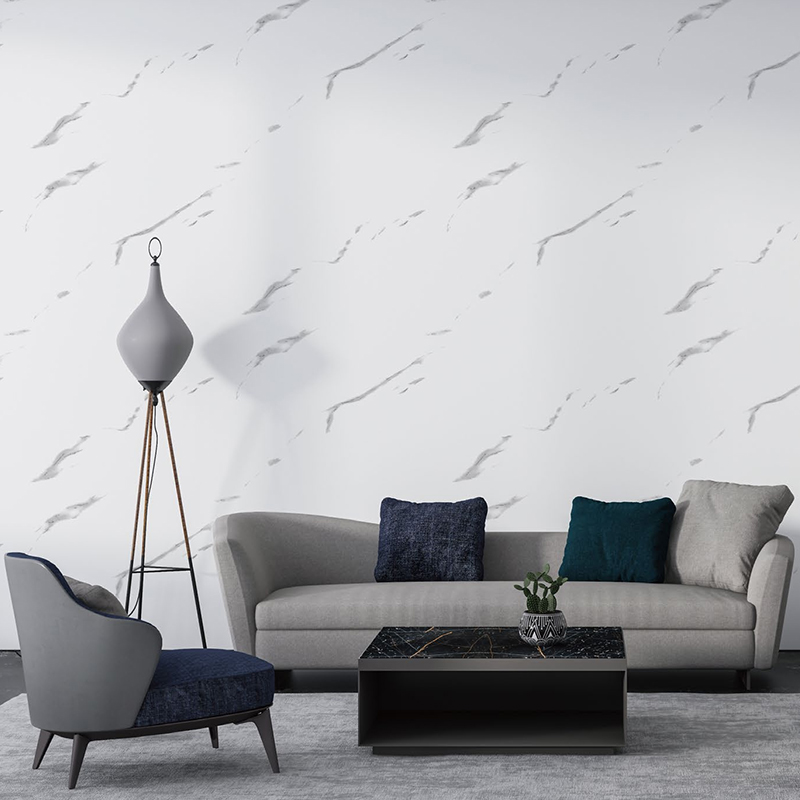
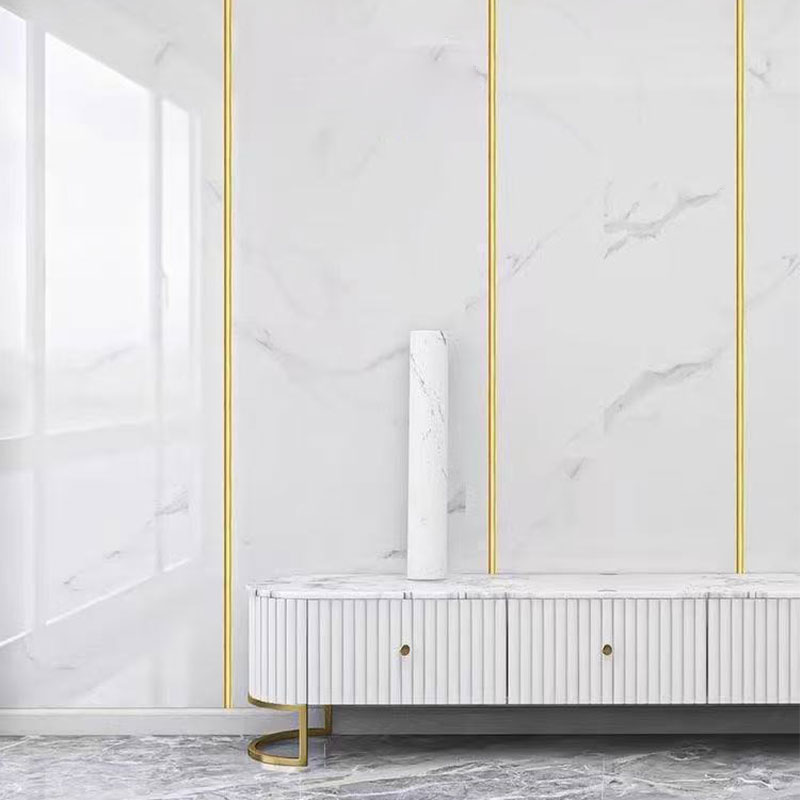
Imitation tile marble wall stickers are self-adhesive decorative panels or sheets printed with high-resolution marble patterns and designed to mimic the appearance of real marble or ceramic marble-effect tiles when applied to walls, furniture, or surfaces around the home. They combine the visual language of marble — the characteristic veining, tonal variation, and polished appearance — with the practicality of a peel-and-stick product that requires no grout, no adhesive, no specialist tools, and no professional installation. The result is a surface transformation that takes hours rather than days and costs a fraction of what real tile installation would require.
The growth in popularity of faux marble tile stickers reflects a broader shift in how people approach interior decoration. Renters who cannot make permanent changes to their walls have embraced removable decorative products that can be taken down when they move without leaving damage. Homeowners undertaking budget-conscious renovations have discovered that the gap in visual quality between a premium marble wall sticker and a real tile installation has narrowed considerably as printing technology has improved. And short-term rental operators — Airbnb hosts and serviced apartment managers — have found that marble effect wall decals deliver the premium visual impact that attracts bookings at a fraction of the cost and disruption of a genuine tile renovation.
The Different Types of Marble Wall Sticker Materials
Not all imitation tile marble wall stickers are made from the same material, and the differences between product types have real practical implications for how well they apply, how realistic they look, how long they last, and how easily they can be removed. Understanding the material categories helps buyers make informed choices rather than discovering the limitations of a product after it is already on the wall.
PVC Self-Adhesive Marble Wall Stickers
PVC is the most common material used in marble pattern wall stickers. It is flexible enough to conform to slightly uneven surfaces, dimensionally stable enough to maintain its printed pattern without distortion, and available in both matte and gloss surface finishes that affect how realistic the marble effect appears. PVC marble wall stickers are typically 0.1–0.3mm thick with a pressure-sensitive adhesive backing protected by a release liner. Thicker PVC versions — sometimes marketed as 3D marble wall stickers — include a slight surface texture embossed during manufacturing that adds tactile dimension to the pattern. PVC materials are moisture-resistant, which makes them suitable for bathroom and kitchen backsplash applications, though the long-term performance of the adhesive in high-humidity environments depends heavily on the adhesive specification rather than the facing material alone.
Foam-Backed Marble Tile Stickers
Foam-backed marble tile stickers add a layer of closed-cell foam between the printed facing and the adhesive layer, giving the product a slight three-dimensional quality and a softer feel that more closely mimics the physical depth of a real tile. The foam backing also provides a degree of sound and thermal insulation — modest compared to real materials but noticeable on thin partition walls. Foam-backed products are thicker and slightly more forgiving of minor surface imperfections because the foam layer provides some compliance. The trade-off is that foam backing makes precise cutting more challenging and can cause the sticker to appear slightly raised at the edges if the adhesive bond is not uniform, which is more noticeable in raking light than on flat surfaces under ambient lighting.
Fabric-Based Peel and Stick Marble Wall Panels
A premium segment of the marble wall sticker market uses woven or non-woven fabric facing materials rather than plastic film. Fabric-faced marble wall stickers have a softer, more natural appearance at close viewing distance because the fabric texture diffuses light rather than reflecting it with the uniformity of a plastic film surface. They are typically more breathable than PVC alternatives, which reduces the risk of moisture trapping behind the sticker on humid walls. Fabric-faced products are generally repositionable multiple times without adhesive residue, which makes them particularly attractive for rental properties and temporary installations. The limitation is that fabric materials are more susceptible to edge fraying if they are cut and may not be as moisture-resistant as PVC alternatives in direct water exposure situations like shower surrounds.
Rigid Acrylic and PETG Marble Wall Tiles
At the premium end of the decorative marble sticker category, rigid acrylic or PETG panels with printed or digitally processed marble patterns combine the visual depth of a hard surface with the installation convenience of an adhesive backing. These products are typically 2–4mm thick, sized as individual tiles in standard formats like 30×30cm or 60×30cm, and have a polished or semi-polished surface finish that genuinely resembles glazed ceramic or porcelain marble-effect tiles. They are heavier than film-based stickers and require a flat, well-prepared wall surface for consistent adhesion, but the result when well-installed is significantly closer to the appearance of real tile than any film-based alternative can achieve. They are particularly well-suited to feature wall applications where close visual inspection is expected.
Where Imitation Tile Marble Wall Stickers Work Best
Marble effect wall decals are versatile enough to be used in most interior settings, but they perform better — both aesthetically and practically — in some applications than others. Matching the product specification to the installation environment prevents the frustration of discovering a product limitation after the installation is complete.
| Application | Recommended Type | Key Considerations |
| Kitchen Backsplash | PVC or rigid acrylic tile sticker | Heat and moisture resistance essential; avoid near open flame |
| Bathroom Wall Panels | Waterproof PVC marble sticker | Seal all edges with silicone; avoid direct shower spray zone |
| Bedroom Feature Wall | Fabric-faced or foam-backed sticker | Repositionability and clean removal are priorities here |
| Living Room Accent Wall | Rigid acrylic tile or thick foam-backed PVC | Visual realism matters most; close inspection expected |
| Fireplace Surround | Heat-rated PVC only; not for direct heat exposure | Keep away from radiant heat sources; check temperature rating |
| Furniture Surfaces | Thin PVC film marble sticker | Smooth, clean surface required; edge adhesion critical |
| Rental Property Refresh | Repositionable fabric-backed panels | Removability without wall damage is the primary requirement |
Surface Preparation: The Step That Determines Whether Your Sticker Lasts
Surface preparation is the most consistently underestimated part of installing a marble pattern wall sticker, and inadequate preparation is responsible for the vast majority of adhesion failures — peeling edges, bubbling surfaces, and stickers that fall off walls within weeks. The adhesive on a peel-and-stick marble tile sticker is designed to bond to a clean, smooth, stable surface. Any contamination, roughness, or instability in the surface interferes with this bond and will cause the sticker to fail progressively regardless of how carefully it was applied.
Cleaning the Surface Thoroughly
Begin by washing the wall surface with a mild detergent solution to remove dust, cooking grease, body oils, and any other surface contamination. In kitchens, where cooking oils deposit an invisible film on walls over time, this cleaning step is especially important — even a very thin layer of grease dramatically reduces adhesive bond strength. Use a clean cloth dampened with isopropyl alcohol for a final wipe-down after the detergent wash and allow the surface to dry completely before proceeding. Isopropyl alcohol removes residual grease and accelerates drying compared to water-based cleaners. Allow at least 30 minutes of drying time — longer in humid conditions — before applying any sticker, as adhesive bonding to a damp surface is significantly weaker than bonding to a fully dry one.
Assessing and Preparing Different Wall Types
Painted plaster or drywall walls are the most favorable surface for marble wall sticker adhesion, provided the paint is well-adhered, not flaking, and has been dry for at least three to four weeks since the last coat. Fresh paint — even dry to the touch — has not fully cured and may lift when the sticker adhesive bonds to it. Tiles are an excellent surface for marble stickers because they are smooth, non-porous, and dimensionally stable — but grout lines create surface discontinuities that prevent adhesion in those areas, which can cause edge lifting if a sticker is positioned over a grout line. For tile application, choose a sticker large enough to bridge grout lines rather than one whose edges coincide with them. Wallpapered surfaces are generally unsuitable for marble tile stickers — the sticker adhesive bonds to the wallpaper rather than the wall, and the weight of the sticker may cause the wallpaper to peel away from the wall taking the sticker with it.
Filling Surface Imperfections
Filling and sanding any holes, cracks, or rough patches in the wall surface before applying marble wall stickers is worth the extra preparation time. A thin PVC film sticker applied over an unfilled hole simply bridges it, creating a visible depression in the sticker surface. A foam-backed sticker may conform better to minor imperfections but will still show significant surface irregularities under raking light. Apply a thin skim of filler to any imperfection, allow it to dry completely, and sand flush with the surrounding surface before proceeding to the cleaning step. The goal is a wall surface that is as flat and uniform as possible so that the marble sticker presents a consistent, professional-looking finish after application.
How to Apply Marble Wall Stickers Without Bubbles or Misalignment
Careful, methodical application is what separates a professional-looking marble sticker installation from a frustrating mess of bubbles, creases, and misaligned panels. The good news is that with proper preparation and the right technique, achieving a clean, high-quality result is entirely manageable without professional help.
- Plan the layout before peeling anything: Hold the marble tile stickers against the wall in their planned positions — without peeling the backing — to confirm that the pattern alignment, sizing, and joint lines look correct before any adhesive contact is made. For tiled-pattern marble stickers where multiple panels will be installed side by side, decide the starting point carefully — typically a centered layout that ensures equal-width cut pieces at both sides of the wall rather than a full panel at one edge and a narrow sliver at the other. Mark light pencil reference lines on the wall at the first panel position using a spirit level to ensure the installation starts truly horizontal and vertical.
- Use the hinge method for large panels: For large marble wall sticker panels — anything over 30cm in either dimension — use the hinge method rather than peeling the entire backing off before application. Fold the release liner back from one short edge, exposing about 5cm of adhesive at one end while leaving the rest of the backing in place. Align this exposed end precisely with your reference lines and press it firmly to the wall. Then slowly peel the backing downward while pressing the sticker onto the wall with a squeegee or credit card in the other hand, working from the top down and from the center toward the edges to push any trapped air out progressively. This approach prevents the entire sticky surface from contacting the wall prematurely before alignment is confirmed.
- Squeegee firmly for complete adhesive contact: After the sticker is positioned on the wall, go over the entire surface systematically with a plastic squeegee or the edge of a credit card using firm, overlapping strokes from the center outward. This step ensures complete contact between the adhesive and the wall surface — areas where the adhesive has not fully contacted the wall will eventually lift, particularly at edges. Apply firm, even pressure rather than pressing the squeegee just lightly enough to touch the surface — the goal is to press out any residual air pockets and ensure the adhesive is fully mated to the wall texture.
- Handle corners and edges with heat: At internal corners, external corners, and any edges where the sticker must wrap around a surface discontinuity, use a hairdryer on a low-heat setting to warm the sticker material for 10–15 seconds before pressing it into the corner or around the edge. Warming makes the sticker material more pliable and allows it to conform to the corner geometry without creasing or splitting. Hold the warmed section firmly against the surface for 30 seconds after applying — the adhesive sets more quickly while the material cools and retains the shaped position.
- Align pattern repeats carefully between adjacent panels: When installing multiple panels of faux marble tile sticker side by side, pattern continuity across the joins between panels is critical for a realistic, seamless result. Marble pattern stickers with a regular repeat — where the pattern starts and ends at the same point on each panel edge — can be aligned by offsetting adjacent panels by one half-repeat, creating a natural-looking staggered marble effect. Check the alignment by holding adjacent panels together before application and confirming that the vein patterns flow naturally across the join rather than creating an obvious seam line.
Design Ideas for Using Marble Wall Stickers in Different Rooms
The versatility of decorative marble tile stickers allows them to be used in ways that go beyond simply covering an entire wall. Thoughtful, targeted application of marble stickers can create sophisticated design effects that look intentional and expensive rather than like a budget substitute for real materials.
Full Feature Wall Installation
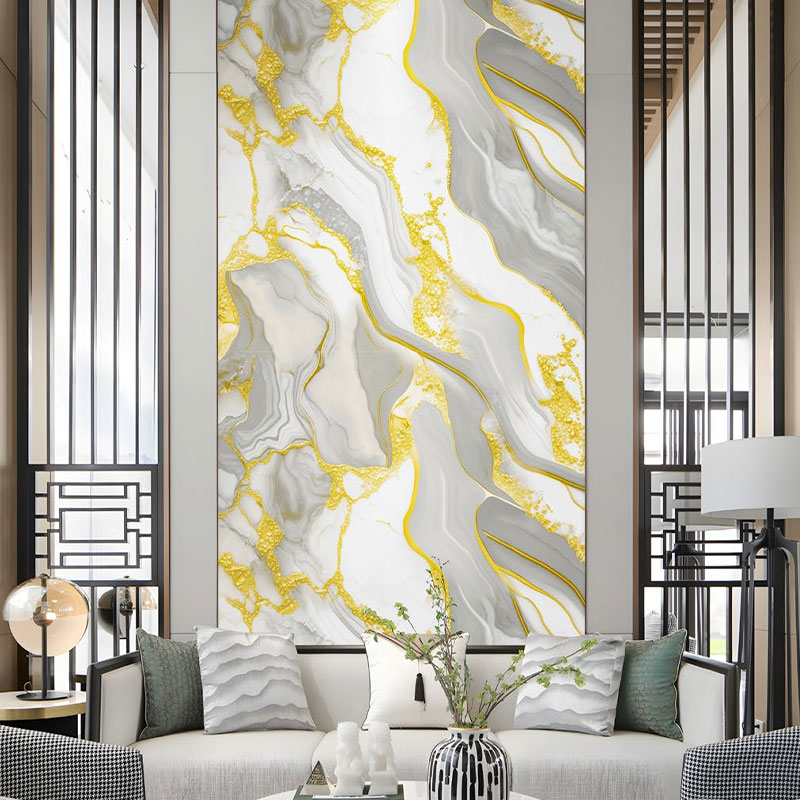
Covering a single feature wall in marble effect stickers — particularly the wall behind a bed, behind a sofa, or behind a bathroom vanity — creates a strong focal point that anchors the room's visual composition and communicates a premium design sensibility. For maximum visual impact in a bedroom, choose large-format white Carrara marble or grey Calacatta marble sticker panels with bold veining that reads clearly across the room. In a bathroom, a feature wall of marble stickers behind the vanity creates a spa-like backdrop that photographs beautifully and makes the entire bathroom feel more luxurious without any structural work.
Wainscoting and Half-Wall Treatments
Applying marble stickers to the lower half of a wall — from floor level to chair-rail height, typically 90–110cm from the floor — creates a wainscoting effect that adds architectural detail to plain rooms. This treatment is practical as well as decorative because the lower portion of a wall receives the most physical contact, scuffs, and marks in daily use, and a PVC marble sticker surface is far more wipeable and impact-resistant than standard painted plaster. The upper portion of the wall above the wainscoting can be painted in a complementary color that references the marble tones — warm greige above white and grey marble, or deep charcoal above a dramatic black marble sticker — for a sophisticated, layered effect.
Niche and Alcove Highlights
Applying marble stickers to the interior of wall niches, display alcoves, shelving recesses, or fireplace surrounds creates a decorative highlight that draws the eye without requiring the entire room to be transformed. This targeted application approach uses relatively small quantities of marble sticker material to create a disproportionately large visual impact — the contrast between the marble-lined interior of a niche and the plain painted wall around it makes the niche feel deliberately designed and architecturally considered. For bookshelves, lining the back panel of each shelf bay with marble stickers provides a sophisticated backdrop for book spines, decorative objects, and plants that elevates the entire shelving composition.
How to Remove Marble Wall Stickers Without Damaging Your Walls
One of the most frequently asked questions about imitation tile marble wall stickers is how to remove them without pulling paint off the wall or leaving adhesive residue that requires extensive cleaning. The answer depends on the age of the sticker, the wall surface type, and the quality of the adhesive used — but in most cases, careful removal with the right technique leaves walls in good condition.
Begin removal by warming the sticker surface with a hairdryer on a medium heat setting, moving the dryer slowly back and forth across the sticker for 30–60 seconds. Heat softens the adhesive and makes it more pliable, reducing the force needed to separate the sticker from the wall and significantly decreasing the risk of paint lift. Start peeling from a corner or edge, pulling the sticker back at a shallow angle — as close to 180 degrees back on itself as possible — rather than pulling outward away from the wall. Peeling back at a shallow angle separates the adhesive bond progressively at the peel front rather than trying to overcome the entire bond simultaneously, which is what causes paint lifting. If the sticker has been in place for a long time and the adhesive has firmed up significantly, apply heat continuously at the peel point rather than pre-warming the entire surface.
If adhesive residue remains on the wall after the sticker body is removed, apply a small amount of isopropyl alcohol or a commercial adhesive remover to a cloth and rub gently in circular motions to dissolve and lift the residue. Test the remover on an inconspicuous area first — on painted walls, strong solvents can soften the paint and cause smearing. For stubborn residue on painted walls, warming the adhesive again with the hairdryer and then rolling it off the surface by rubbing with a clean finger is often more effective than chemical solvents and carries no risk of paint damage. After adhesive removal, wash the area with mild soapy water and touch up any paint as needed before applying new decorative products.
What to Look for When Buying Marble Effect Wall Stickers
The quality range within the marble wall sticker product category is extremely wide — from very cheap single-use products with poor print resolution and weak adhesive, to premium products with photographic print quality, durable surfaces, and repositionable adhesive systems that genuinely perform as claimed. Knowing what to evaluate before purchasing helps buyers avoid the frustration of discovering limitations after the product is on the wall.
- Print resolution and color depth: The most immediately noticeable quality indicator in a marble wall sticker is the print quality of the marble pattern. Request a physical sample or examine close-up photographs from the supplier showing the pattern at viewing distance — the kind of distance at which a real wall would be inspected by someone standing in the room. Low-quality prints show visible pixelation, flat color areas without the tonal variation and depth of real marble, and vein patterns that look mechanical and repetitive. Premium products use high-resolution printing that captures the organic irregularity of natural marble veining with convincing color depth and tonal nuance.
- Surface finish quality: The surface finish — gloss, satin, or matte — affects both the visual realism of the marble effect and the practical durability of the product. Examine the surface in raking light to check for print clarity and surface uniformity. A quality gloss finish should be completely uniform with no streaks, orange-peel texture, or print through the topcoat. A matte finish should diffuse light evenly without hot spots or inconsistent sheen areas. The surface should also feel smooth and free of raised print elements that create texture where the design intent is a smooth polished marble surface.
- Adhesive performance claims and backing paper quality: The adhesive is what keeps the sticker on the wall for its intended service life and what determines how cleanly it removes when the time comes. Avoid products that provide no information about the adhesive specification — a reputable product will specify whether it is repositionable, how long it is rated to remain adhered in the stated installation environment, and whether it is suitable for painted plaster, tile, or other specific surfaces. The release liner paper or film should peel away cleanly from the adhesive in a controlled manner without tearing or fragmenting — a liner that tears during application is both frustrating and a sign of lower product quality overall.
- Moisture and temperature resistance ratings: For any application in a kitchen or bathroom, verify that the marble wall sticker product is rated for the temperature and moisture conditions it will encounter. Check whether the product has been tested to any standard for wet-area suitability and whether the adhesive is rated for continuous humid conditions rather than just occasional splash exposure. Products that carry no environmental ratings at all should be treated as suitable for dry interior wall applications only and not used in kitchens or bathrooms regardless of marketing language claiming otherwise.
- Dimensions and coverage per pack: Calculate the exact area to be covered — including planned wastage for pattern matching and cutting around obstacles — before purchasing. Many marble wall sticker products are sold in tile-format packs where each tile covers a relatively small area, and underestimating the total coverage required means running out of product before the installation is complete. If the product has a pattern repeat, order at least 10–15% more than the calculated coverage area to allow for the material lost in aligning pattern repeats between adjacent tiles or panels. Confirm that the supplier holds adequate stock for repeat orders in the same production batch — color and pattern variation between production batches is a real risk with printed products.