

 English
 Français
 русский
 عربى
عربى Español
Content
- 1 What Is Printed Composite Film for Construction, Exactly?
- 2 How Printed Composite Film Is Made
- 3 Where Printed Composite Film Shows Up on a Job Site
- 4 Key Benefits That Make It Worth Considering
- 5 Common Types of Printed Composite Film
- 6 How to Choose the Right Printed Composite Film for Your Project
- 7 Installation Tips and Common Mistakes to Avoid
- 8 Maintenance and Lifespan
- 9 Frequently Asked Questions
What Is Printed Composite Film for Construction, Exactly?
Printed composite film for construction is a multi-layer material that combines a decorative printed surface with a durable backing layer, then laminates the two together into a single sheet. Instead of painting a surface or applying a solid-color laminate, manufacturers print wood grain, marble, stone, metal, or custom patterns directly onto a base film, then bond it to substrates like aluminum, PVC panels, gypsum board, or composite honeycomb cores. The result is a building material that looks like natural wood or stone but behaves like a manufactured product: consistent color, predictable performance, and far less weight than the material it imitates.
Builders reach for printed composite film when they want the visual richness of natural materials without the cost, weight, or maintenance headaches that come with the real thing. A printed film wrapped around an aluminum composite panel, for example, can mimic teak decking or brushed steel at a fraction of the price and installation time.
How Printed Composite Film Is Made
Understanding the manufacturing process helps explain why quality varies so much between brands. Most printed composite films go through the following stages:
Base Film Selection
Manufacturers start with a base film, typically PVC, PET, or PP, chosen for its flexibility, UV stability, and ability to hold ink without cracking during lamination.
Printing and Pattern Transfer
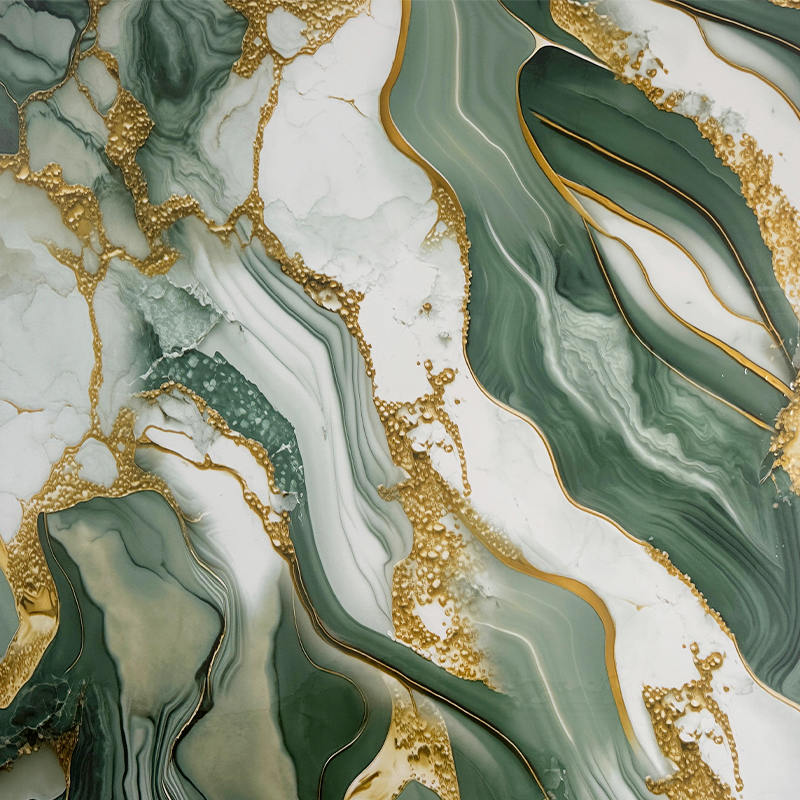
High-resolution gravure or digital printing applies the design, whether it's a realistic wood grain, stone texture, or a solid architectural color. Gravure printing tends to produce sharper, more consistent patterns for large production runs, while digital printing allows smaller batches and custom designs.
Surface Coating
A protective topcoat, often a UV-resistant lacquer or acrylic layer, is added to guard against fading, scratching, and moisture penetration once the film is installed outdoors.
Lamination to Substrate
The finished film is bonded to the construction substrate using heat, pressure, or adhesive rollers, creating a single composite sheet ready for cutting, forming, and installation.
Where Printed Composite Film Shows Up on a Job Site
Printed composite film construction materials aren't limited to one application. They've become a go-to choice across several parts of a building project:
- Exterior wall cladding and facade panels that mimic natural wood or stone
- Interior wall paneling and partition systems in offices and retail spaces
- Door and window frame surfaces requiring a wood-look finish
- Ceiling panels and decorative soffits
- Balcony railings, fencing, and outdoor decking accents
- Signage backgrounds and architectural trim details
Because the film can be applied to rigid substrates, flexible sheets, or even metal coils, it adapts to nearly any part of a structure where appearance matters as much as function.
Key Benefits That Make It Worth Considering
Contractors and architects keep specifying printed composite film for a few practical reasons, not just aesthetics.
Lower Weight, Easier Handling
A composite panel wrapped in printed film weighs a fraction of solid stone or hardwood, reducing structural load and making installation faster with fewer workers needed on-site.
Consistent Appearance
Natural wood and stone vary piece to piece. Printed film delivers uniform color and pattern across an entire facade, which matters a lot on large commercial projects where mismatched panels stand out.
Weather and Moisture Resistance
Quality printed composite film includes UV-stable coatings and moisture barriers that resist warping, fading, and rot far better than untreated natural materials, especially in humid or coastal climates.
Cost Efficiency
Between material savings, lighter substructure requirements, and faster installation, printed composite film construction projects often come in noticeably under budget compared to natural material alternatives, without sacrificing visual impact.
Common Types of Printed Composite Film
Not all printed composite films serve the same purpose. Here's a quick comparison of the most common types used in construction:
| Film Type | Common Substrate | Typical Use |
| Wood grain PVC film | Aluminum, MDF, PVC panel | Door frames, wall panels, cladding |
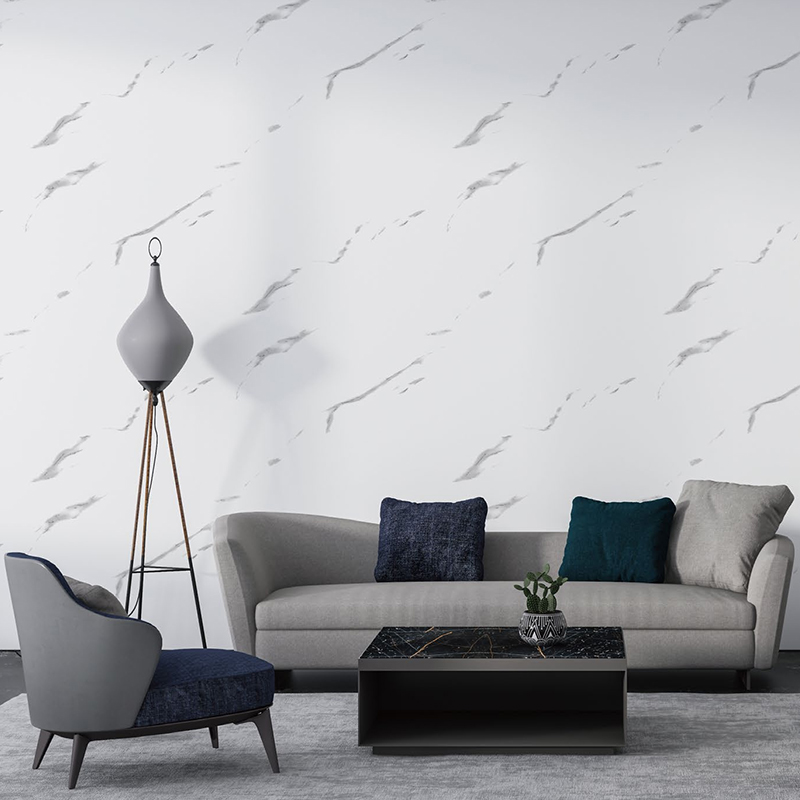
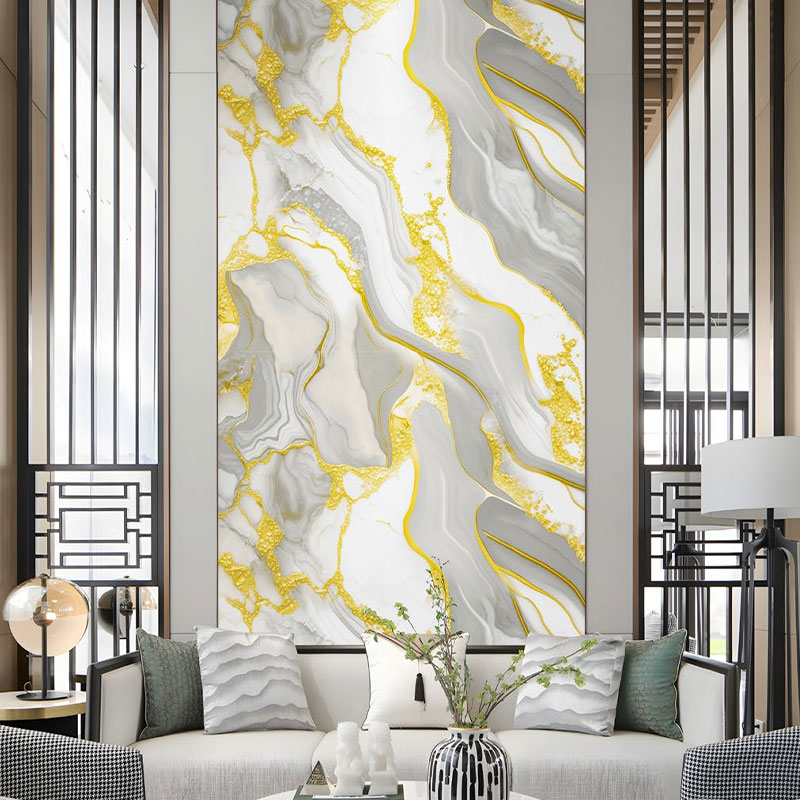
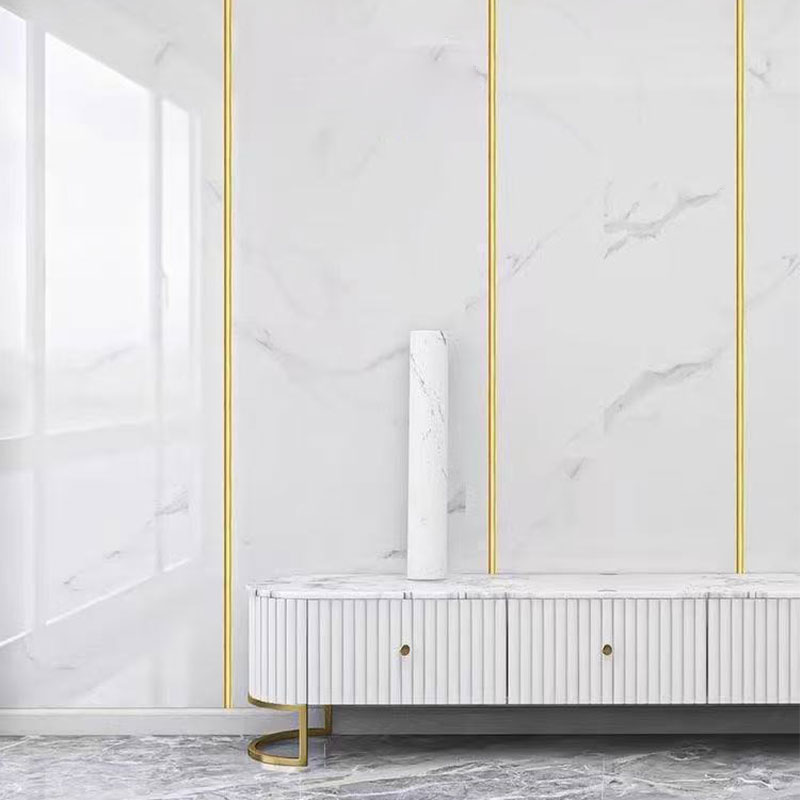
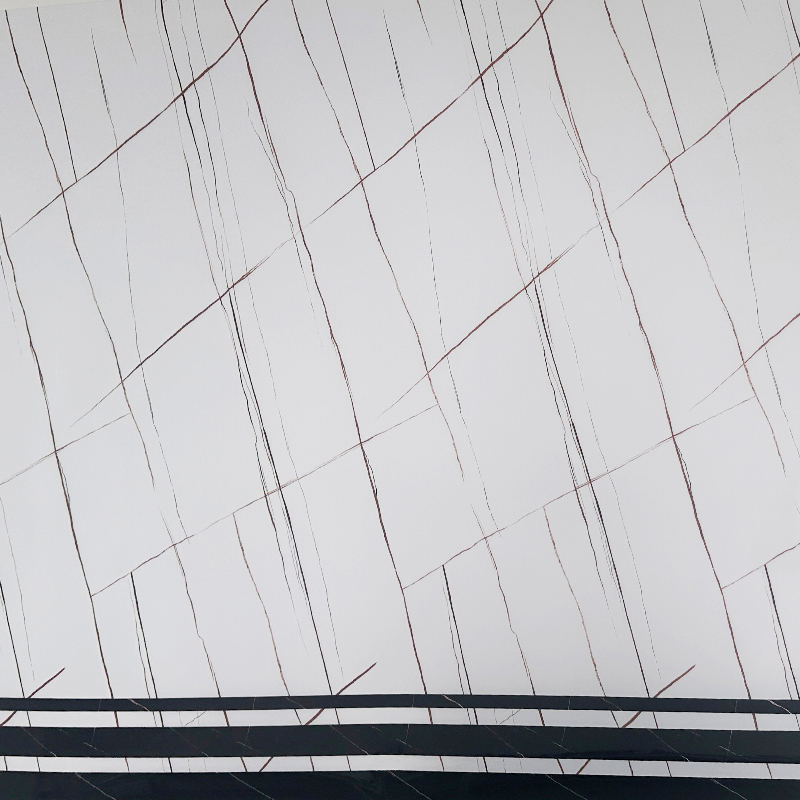
| Marble/stone pattern film | Aluminum composite panel | Facades, lobby walls, columns |
| Metallic/brushed finish film | Steel, aluminum coil | Signage, trim, elevator interiors |
| Solid color matte film | Gypsum board, PVC sheet | Interior partitions, ceilings |
How to Choose the Right Printed Composite Film for Your Project
Picking the wrong film can lead to premature fading, peeling, or a finish that just doesn't match the design intent. Keep these factors in mind before ordering.
Indoor vs. Outdoor Application
Outdoor installations need films rated for UV exposure and temperature swings, while indoor applications can use lighter-duty films focused purely on appearance.
Substrate Compatibility
Confirm the film is designed to bond properly with your chosen substrate, whether that's aluminum composite panel, PVC, MDF, or metal coil, since adhesion issues are one of the most common causes of premature failure.
Fire and Building Code Ratings
Many jurisdictions require specific fire-resistance ratings for exterior cladding materials. Always check that the printed composite film and its substrate combination meets local building codes before specifying it on commercial projects.
Warranty and Fade Resistance
Look for manufacturers offering at least a 10-15 year fade warranty on outdoor films. This is a strong indicator of coating quality and long-term color stability.
Installation Tips and Common Mistakes to Avoid
Even a high-quality printed composite film can look bad or fail early if it's installed poorly. A few practical guidelines go a long way.
- Store panels flat and away from direct sunlight before installation to prevent warping
- Allow panels to acclimate to site temperature and humidity for at least 24 hours before cutting
- Use sharp blades or specified cutting tools to avoid chipping the printed surface edge
- Leave appropriate expansion gaps, especially for exterior applications exposed to temperature swings
- Avoid harsh solvents or abrasive cleaners during installation, since they can dull the surface coating
Maintenance and Lifespan
One of the underrated advantages of printed composite film is how little upkeep it needs. Routine cleaning with mild soap and water is usually enough to keep surfaces looking fresh, and there's no need for periodic staining, sealing, or repainting the way natural wood requires. Depending on the coating quality, exterior-grade printed composite film typically holds its color and finish for 10 to 20 years before any noticeable fading occurs, while interior applications can last even longer since they aren't exposed to UV rays or weather cycles. Periodic inspection of panel seams and edges is still worthwhile, since moisture intrusion at joints is the most common long-term failure point rather than the film itself degrading.
Frequently Asked Questions
Is printed composite film waterproof?
The film layer itself is generally water-resistant, but overall waterproofing depends on the substrate and how well seams and edges are sealed during installation.
Can printed composite film be recycled?
Many aluminum composite panels with printed film facings can be recycled, though the process depends on separating the film layer from the metal core, which varies by local recycling facilities.
Does printed composite film fade over time?
All printed films fade eventually, but UV-stabilized coatings on quality products slow this process significantly, often maintaining acceptable color for well over a decade in outdoor conditions.