

 English
 Français
 русский
 عربى
عربى Español
Content
- 1 What Is Printed Composite Film for Packaging?
- 2 Key Features of Printed Composite Film for Packaging
- 3 Types of Printed Composite Film for Packaging
- 4
- 5 Benefits of Using Printed Composite Film
- 6 Applications of Printed Composite Film for Packaging
- 7 Comparison of Popular Printed Composite Films
- 8 Tips for Selecting the Right Printed Composite Film
- 9 Conclusion: Why Printed Composite Film Is Ideal for Modern Packaging
What Is Printed Composite Film for Packaging?
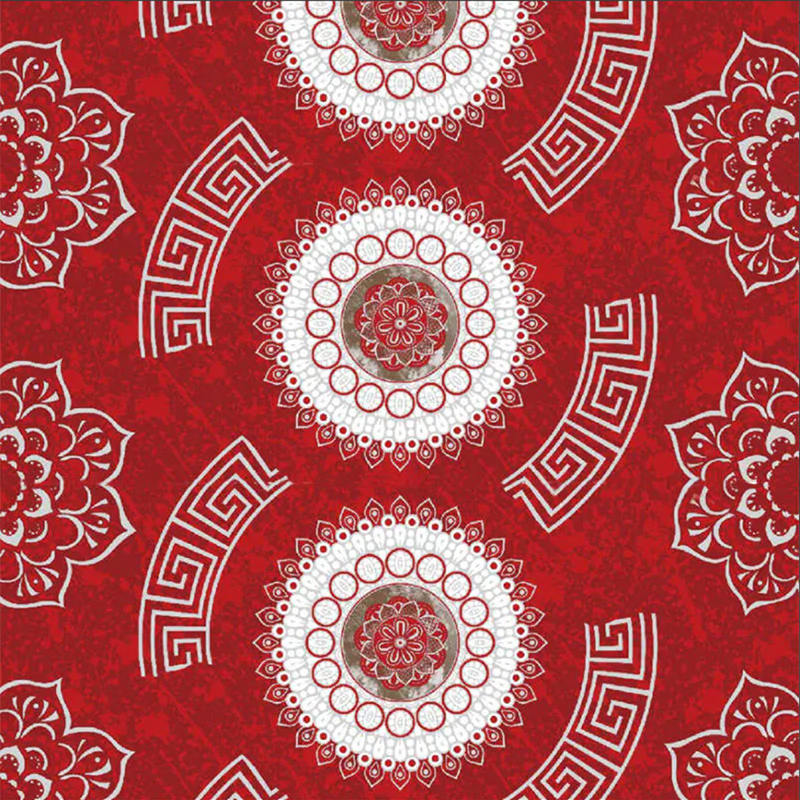
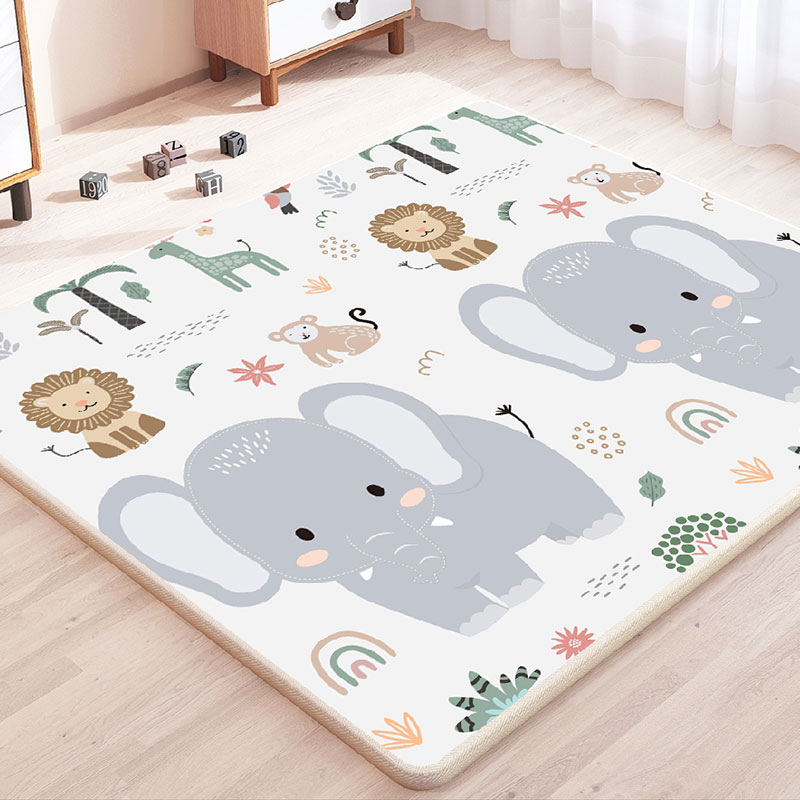
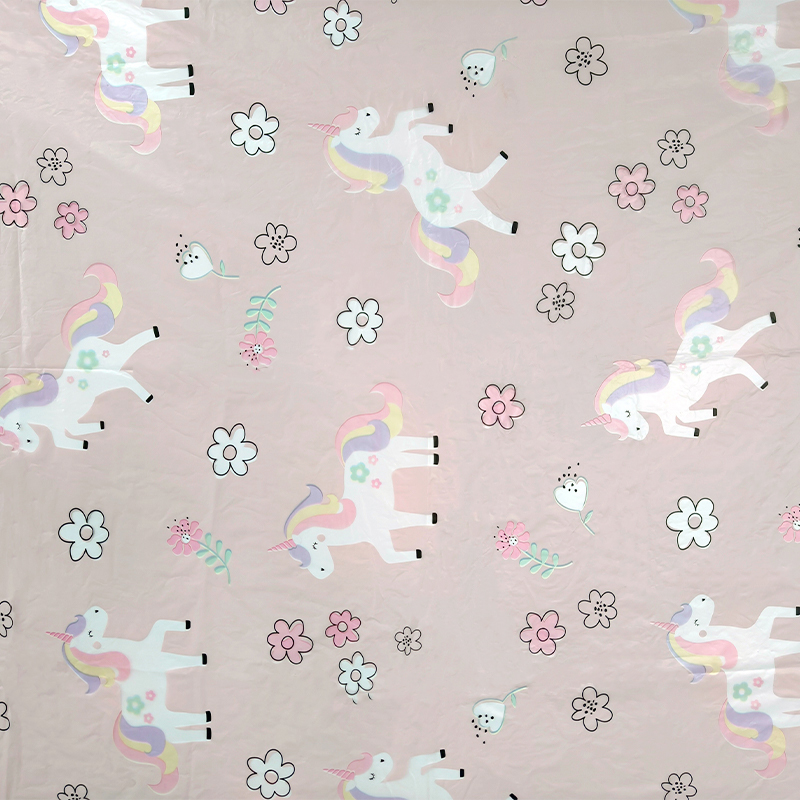
Printed composite film for packaging is a multi-layered material designed to provide strength, barrier protection, and attractive printing for consumer goods. It typically combines different polymer layers, aluminum foil, and sometimes paper, laminated together to create a flexible yet durable film. The printing layer allows for branding, product information, and eye-catching designs, making it ideal for food, beverages, pharmaceuticals, and consumer products.
These films are engineered for high performance, offering moisture resistance, oxygen barrier properties, and puncture resistance. They are commonly used in bags, pouches, wrappers, and rolls, providing both protection and marketing appeal in one material.
Key Features of Printed Composite Film for Packaging
Understanding the key features helps businesses select the right film for their packaging needs.
- Barrier Protection: Prevents moisture, oxygen, and UV light from affecting the product, extending shelf life.
- Durability: Resistant to tearing and punctures during handling and shipping.
- Custom Printing: Supports high-quality graphics, logos, and labeling for branding and compliance.
- Flexibility: Suitable for various packaging formats including pouches, sachets, and rolls.
- Heat Sealability: Enables airtight and tamper-evident sealing for food safety.
Types of Printed Composite Film for Packaging
Printed composite films can be classified based on material composition and intended application.
- PET/PE Films: Polyethylene terephthalate outer layer for printability, polyethylene inner layer for sealing.
- Aluminum Foil Laminates: Offers excellent barrier against light, oxygen, and moisture, ideal for sensitive products.
- Paper-Laminated Films: Combines paper and plastic layers for eco-friendly or premium packaging.
- BOPP Films: Biaxially oriented polypropylene for glossy finish and strong mechanical properties.
Benefits of Using Printed Composite Film
Printed composite films provide multiple advantages over single-layer packaging, making them a preferred choice for modern packaging solutions.
- Enhanced Product Protection: Multi-layer structure prevents contamination, spoilage, and physical damage.
- Branding Opportunities: High-quality printing improves shelf appeal and communicates product information effectively.
- Versatility: Suitable for various packaging formats, sizes, and filling machines.
- Cost-Effectiveness: Laminated structure allows thinner films with strong protection, reducing material costs.
- Extended Shelf Life: Barrier properties help maintain freshness and product quality for longer periods.
Applications of Printed Composite Film for Packaging
Printed composite films are widely used across industries due to their flexibility and protective qualities.
- Food Packaging: Snack bags, coffee pouches, frozen foods, and confectionery packaging.
- Beverage Packaging: Sachets, drink pouches, and laminated cartons.
- Pharmaceutical Packaging: Protective pouches for tablets, powders, and medical devices.
- Consumer Products: Household items, personal care products, and industrial goods.
Comparison of Popular Printed Composite Films
| Type | Barrier Property | Best Use | Printing Quality |
| PET/PE | Medium | Snacks & Dry Foods | High |
| Aluminum Foil Laminates | Excellent | Sensitive Food & Pharmaceuticals | Medium |
| BOPP Films | Good | Confectionery & Beverages | Very High |
Tips for Selecting the Right Printed Composite Film
Choosing the right film ensures product safety, visual appeal, and operational efficiency. Consider these points:
- Understand the product's barrier requirements for moisture, oxygen, and light.
- Select the appropriate thickness and layer structure based on mechanical strength and sealing needs.
- Check compatibility with existing packaging machines and sealing methods.
- Consider printability and branding requirements to maintain product appeal on shelves.
Conclusion: Why Printed Composite Film Is Ideal for Modern Packaging
Printed composite film for packaging is a versatile, durable, and visually appealing solution for protecting products and enhancing brand presence. By understanding types, benefits, and practical applications, manufacturers can optimize packaging efficiency, maintain product quality, and deliver a premium experience to consumers.