

 English
 Français
 русский
 عربى
عربى Español
Content
- 1 What Is a Foldable Crawling Mat and Why Do Babies Need One
- 2 How Foldable Crawling Mats Are Made and What Materials Matter
- 3 Key Features to Compare When Shopping for a Foldable Baby Mat
- 4 Choosing the Right Size and Thickness for Your Space
- 5 Safety Standards and Certifications to Look For
- 6 Foldable Crawling Mats vs. Other Baby Floor Mat Options
- 7 How to Clean and Maintain a Foldable Baby Crawling Mat
- 8 Tips for Getting the Most Out of Your Foldable Crawling Mat
- 9 Common Questions Parents Ask About Foldable Crawling Mats
What Is a Foldable Crawling Mat and Why Do Babies Need One
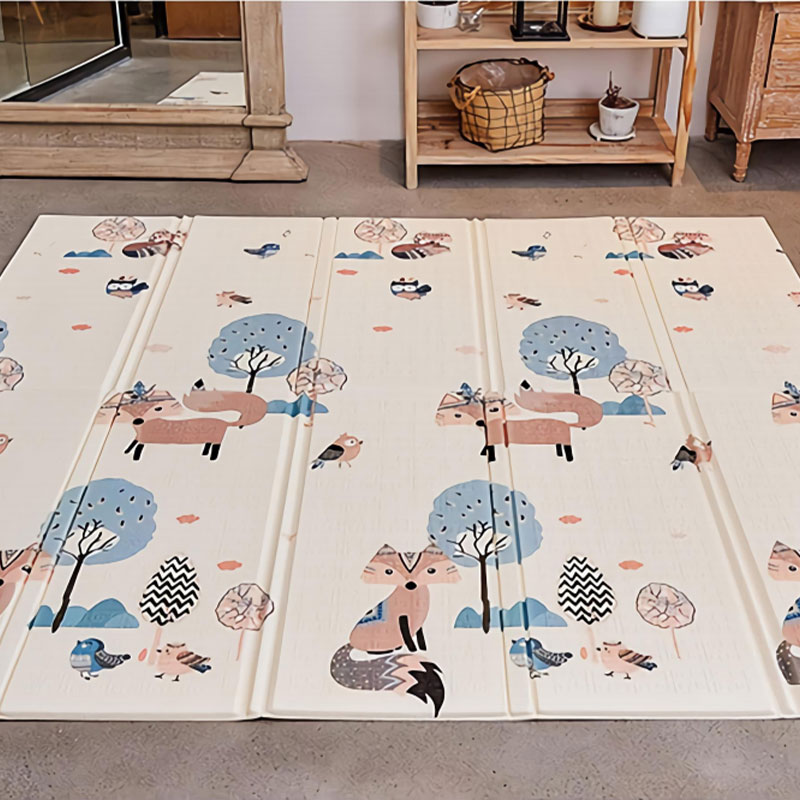
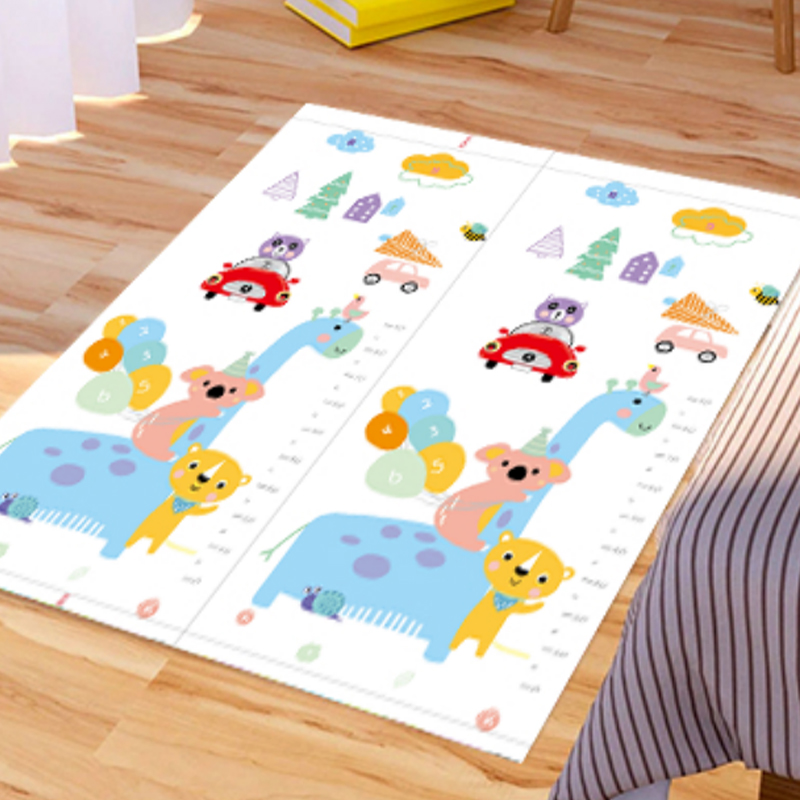
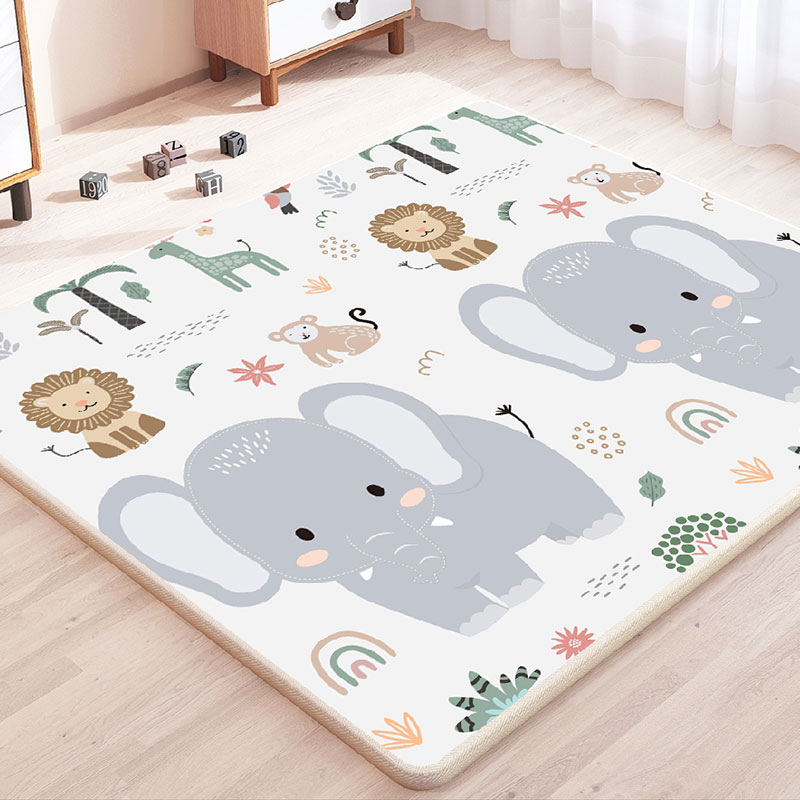
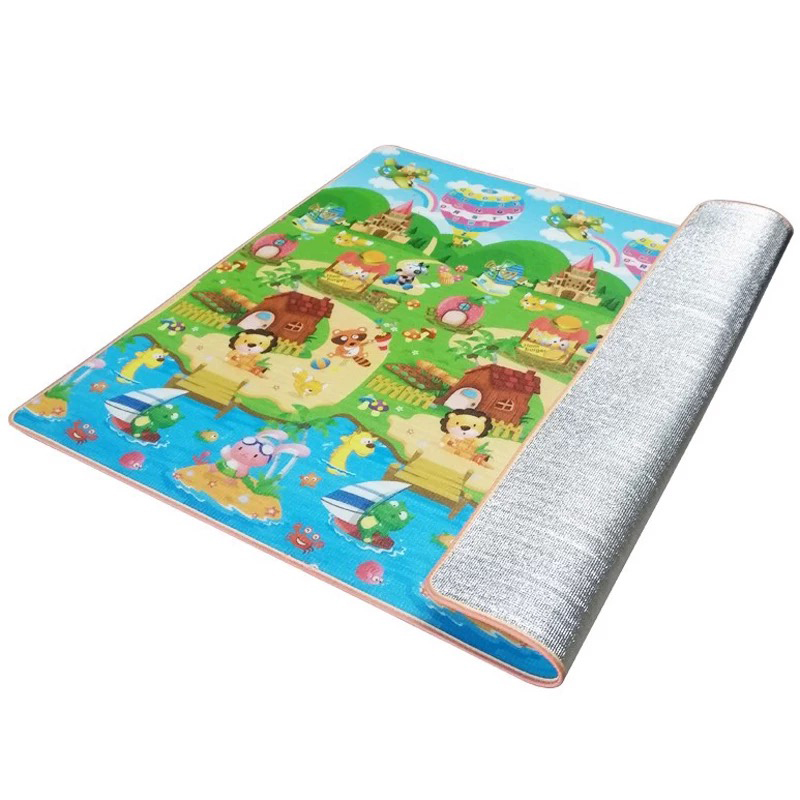
A foldable crawling mat is a padded play surface designed specifically for infants and toddlers during their early developmental stages — particularly the crawling, rolling, and early walking phases of growth. Unlike traditional flat foam mats or interlocking puzzle tiles, a foldable baby crawling mat is constructed as a single continuous piece that folds accordion-style or in half for compact storage and easy transportation. The folding design is one of its most practical features, allowing parents to set up a clean, cushioned play area in seconds and pack it away just as quickly when the space is needed for other purposes.
The developmental importance of a dedicated crawling surface goes beyond simply keeping floors clean. Babies spend a significant portion of their waking hours on the floor during the first 18 months of life, and the quality of that surface affects both their physical safety and their willingness to explore and practice motor skills. Hard floors offer no cushioning against the frequent tumbles and head bumps that come with learning to sit, crawl, and walk. Carpets, while softer, can harbor allergens, dust mites, and bacteria that are problematic for babies who spend time pressing their faces against the floor. A foldable infant play mat provides a dedicated, cushioned, easy-to-clean surface that addresses all of these concerns in one product.
How Foldable Crawling Mats Are Made and What Materials Matter
The construction and material quality of a foldable baby play mat directly determines how safe, durable, and comfortable it is for your child. Understanding what goes into these mats helps parents evaluate products critically rather than relying solely on marketing claims.
XPE Foam — The Premium Standard
XPE (cross-linked polyethylene) foam is the material most commonly used in high-quality foldable crawling mats, and for good reason. XPE is a closed-cell foam, which means its cellular structure does not absorb liquids — spills, drool, and accidents sit on the surface rather than soaking in, making it genuinely easy to wipe clean. The cross-linked molecular structure also gives XPE excellent resilience — it compresses under load and springs back to its original thickness repeatedly without permanent deformation, maintaining consistent cushioning over years of use. XPE foam is free from formamide, heavy metals, and other harmful chemicals commonly associated with cheaper foam alternatives, and it does not have the strong chemical odor that many parents report with lower-grade foam products. Most premium foldable baby mats use XPE foam in thicknesses ranging from 1.5 cm to 4 cm, with thicker versions providing better cushioning for harder floor surfaces.
EPE Foam — The Budget Alternative
EPE (expanded polyethylene) foam is a less expensive alternative to XPE that appears in lower-priced foldable play mats. EPE is also a closed-cell foam with reasonable cushioning properties, but it is not as durable as XPE — it tends to compress permanently with repeated use and may not maintain its original thickness and protective qualities as long. EPE foam products are generally adequate for light use and limited budgets, but for a mat that will see daily use over 18 to 24 months, the investment in XPE is typically worthwhile for the durability and safety advantages it provides.
Surface Materials and Printing
Most foldable crawling mats feature a smooth, printed surface layer bonded to the foam core. The printing process and surface coating quality affect both the visual appeal and the safety of the mat. Look for mats that use water-based, non-toxic inks for surface printing — not solvent-based inks that may contain VOCs or heavy metals that could be harmful if a baby chews or mouths the mat surface. The surface layer should be smooth enough to wipe clean easily but not so slippery that it becomes a hazard on hard floors. Many quality foldable baby mats have a slightly textured or non-slip underside to prevent the mat from sliding on tile, wood, or laminate floors during active use.
Key Features to Compare When Shopping for a Foldable Baby Mat
The market for foldable infant crawling mats is crowded with options at a wide range of price points and quality levels. Focusing on the features that have the most practical impact on daily use helps cut through the noise and identify the products that will genuinely serve your family well.
| Feature | What to Look For | Why It Matters |
| Foam Type | XPE preferred over EPE | Durability, resilience, and safety |
| Thickness | 2 cm minimum; 4 cm ideal for hard floors | Cushioning against bumps and falls |
| Unfolded Size | At least 180 × 120 cm for active babies | Adequate play space for movement |
| Safety Certification | EN71, ASTM F963, CPSC, or equivalent | Verified non-toxic, safe for infants |
| Non-Slip Base | Textured or grippy underside | Prevents mat sliding on hard floors |
| Double-Sided Design | Two different patterns on each side | Extended visual interest for the baby |
| Waterproof Surface | Wipe-clean closed-cell construction | Easy hygiene maintenance |
| Fold Size When Stored | Compact enough to stand in a corner | Space-saving storage convenience |
| Odor Level | Low or no chemical smell out of packaging | Indicator of lower chemical content |
Choosing the Right Size and Thickness for Your Space
Size and thickness are the two specifications that most directly affect how useful a foldable crawling mat will be in everyday life. Getting these right requires thinking about both the baby's current needs and how those needs will evolve over the first year or two of use.
Choosing the Right Size
Foldable baby play mats are available in a range of sizes, from compact options around 120 × 80 cm up to large mats of 200 × 180 cm or more. For newborns and young infants who are not yet mobile, a smaller mat may seem sufficient — but babies grow and become more active surprisingly quickly. A mat that feels generously sized for a 3-month-old lying on their back will feel cramped for the same child at 8 months, when they are rolling, spinning, and pulling themselves across the floor in all directions. Most experienced parents recommend choosing a foldable crawling mat of at least 180 × 120 cm, and larger if your room layout permits, so the mat remains useful throughout the full crawling and early walking phase. For dedicated play rooms or larger open living spaces, mats in the 200 × 180 cm range provide enough space for a baby to explore freely while also accommodating a parent or sibling joining playtime on the mat.
Choosing the Right Thickness
Mat thickness ranges from about 1 cm in the thinnest travel-focused designs up to 4 or 5 cm in premium cushioned versions. The floor type in your home is the primary guide for thickness selection. On soft carpet, even a thinner 1.5 to 2 cm mat adds meaningful hygiene benefits and a defined play zone without requiring significant additional cushioning. On hard surfaces — tile, hardwood, laminate, or concrete — a thicker mat of 3 to 4 cm provides meaningfully better protection against the head bumps and body impacts that inevitably occur as babies learn to sit and stand. For families who use the mat primarily at home on hard floors, 4 cm XPE is often considered the best balance of protection and practicality. For families who travel frequently with the mat, a slightly thinner 2 cm version may be preferred for its lower weight and more compact folded dimensions.
Safety Standards and Certifications to Look For
Because foldable baby crawling mats are products that infants spend prolonged time on — and frequently mouth, chew, and press their faces against — safety certification is not a marketing detail to be dismissed. It represents independent verification that the product has been tested against specific chemical, physical, and mechanical safety standards appropriate for infant products.
- EN71 (Europe): The European toy safety standard covers chemical safety (including limits on heavy metals, phthalates, and other harmful substances), flammability, and mechanical properties. EN71 Part 3 specifically addresses migration of chemical elements and is one of the most rigorous chemical safety tests applied to children's products. Look for EN71 certification when purchasing foldable play mats sold in or imported from European markets.
- ASTM F963 (United States): The American standard for toy safety, which includes testing for toxic materials, flammability, and physical hazards. CPSC (Consumer Product Safety Commission) compliance is also relevant for products sold in the US market, covering lead content limits and phthalate restrictions for children's products.
- Formamide-free certification: Formamide is a chemical used in some foam manufacturing processes that has been identified as a potential health concern for infants. Belgium and several other European countries have imposed specific restrictions on formamide in children's foam mats. Look for products that explicitly state formamide-free or provide test results confirming formamide levels below regulatory thresholds.
- OEKO-TEX Standard 100: This certification covers the entire product, including surface materials and inks, verifying that all components have been tested for harmful substances and are considered safe for skin contact — including contact with infant skin, which is more sensitive and permeable than adult skin.
- SGS or Intertek test reports: Independent laboratory test reports from recognized testing organizations such as SGS or Intertek provide product-specific verification of chemical safety claims. Reputable manufacturers of foldable baby crawling mats should be able to provide copies of these test reports on request — a seller that cannot produce documentation for safety claims should be treated with caution.
Foldable Crawling Mats vs. Other Baby Floor Mat Options
Foldable baby mats are not the only option for creating a safe floor play area, and understanding how they compare to alternatives helps parents make a more informed choice based on their specific circumstances and priorities.
Foldable Mat vs. Interlocking Foam Tiles
Interlocking foam puzzle tiles are a popular and very affordable alternative to foldable crawling mats. They can be configured in any size or shape to fit a room, and individual damaged tiles can be replaced without replacing the entire play area. However, the joints between tiles create gaps where debris accumulates and are difficult to clean thoroughly. Young babies and curious toddlers frequently pull the tiles apart and may mouth the edges, and some lower-quality interlocking tiles have been associated with formamide off-gassing concerns. A foldable crawling mat's single-piece construction eliminates the joint hygiene issue and is generally faster to set up and put away than assembling and disassembling a tiled floor area.
Foldable Mat vs. Playpen Mats
Playpen mats are thin padded inserts designed to fit within the base of a playpen or play yard. They are typically thinner and smaller than standalone foldable baby mats and are not intended to be used as an independent floor surface. A foldable crawling mat provides a much larger usable area and is more versatile across different locations and stages of development. For families who use a playpen as a primary safe space for a young infant, a dedicated foldable mat used outside the playpen during supervised active play provides a valuable complement rather than a replacement.
Foldable Mat vs. Traditional Thick Foam Mats
Traditional thick foam gym mats or exercise mats share some characteristics with baby crawling mats but are generally not designed for infant use. They may use foam formulations that are not tested or certified for infant safety, and their surfaces are often designed for adult sweat resistance rather than the easy-clean, hygienic requirements of a baby's play surface. The folding design of a dedicated foldable infant mat is also typically more practical for a home environment than the rolled or flat storage of a gym mat. Purpose-designed baby foldable mats also tend to feature infant-appropriate visual designs and educational patterns that standard exercise mats do not offer.
How to Clean and Maintain a Foldable Baby Crawling Mat
One of the most important practical advantages of a quality foldable crawling mat over carpeted play areas is how much easier it is to keep clean. Maintaining proper hygiene on the mat surface is especially important because babies spend time with their faces, hands, and mouths in direct contact with the surface throughout the day.
- Daily wipe-down: After each day of use, wipe the entire mat surface with a damp cloth or baby-safe wet wipe to remove saliva, food residue, and general dirt. The closed-cell foam construction of XPE mats means moisture does not penetrate the surface, so this process is quick and effective without any drying time.
- Disinfecting after spills or illness: For more thorough cleaning after a diaper leak, vomiting, or illness, use a diluted baby-safe disinfectant spray or a solution of water and white vinegar (approximately 1:1 ratio). Spray the surface, wipe clean with a damp cloth, and then wipe again with clean water to remove any cleaning product residue before allowing the baby back on the mat. Avoid bleach-based cleaners, which can degrade the surface coating and may leave residues that are not appropriate for infant contact.
- Cleaning the underside: Don't neglect the underside of the mat — it picks up floor dust and debris that can transfer back to the play surface when the mat is flipped or folded. Wipe the underside regularly, especially if you move the mat between rooms or take it to other locations.
- Avoid machine washing or soaking: Although the surface of XPE crawling mats is waterproof, most foldable baby mats should not be submerged in water or put in a washing machine. Prolonged water exposure can compromise the adhesive bonding between the foam layers and the surface print, and machine agitation can cause permanent creasing or delamination. Stick to surface wiping for routine cleaning.
- Storing the mat correctly: When not in use, store the folded mat in a clean, dry location out of direct sunlight. Prolonged UV exposure can fade the printed surface and may degrade the foam material over time. Standing the folded mat upright in a corner or behind a door is the most space-efficient storage approach for most homes.
Tips for Getting the Most Out of Your Foldable Crawling Mat
A foldable baby play mat is a versatile product that can be used in more ways than just a floor crawling surface. Getting the most value from the product involves thinking creatively about how it can support your baby's development and your own practical needs across different settings and stages.
- Use it as a tummy time surface from birth: Tummy time — placing an awake, supervised baby on their stomach — is recommended from birth to strengthen neck, shoulder, and core muscles. A cushioned foldable mat provides a more comfortable and hygienic tummy time surface than a bare floor and gives the baby a visually interesting surface to look at during this important exercise.
- Take it on visits and trips: The folding design makes a foldable infant crawling mat genuinely practical to take to grandparents' houses, on vacation, or to other homes where the floor surfaces are unknown. Having a familiar, clean play surface helps babies feel comfortable in unfamiliar environments and gives parents peace of mind about hygiene.
- Use it outdoors on suitable surfaces: A foldable baby mat can extend its usefulness to outdoor settings — on a patio, deck, or in a shaded garden area — providing a clean, padded surface for outdoor play on days when the ground surface is not suitable for a baby directly. Avoid use on wet or very rough surfaces that could damage the underside of the mat.
- Combine with age-appropriate toys: The mat surface provides a defined, contained play area that works well with activity gyms, soft building blocks, sensory toys, and push-along walkers as the baby progresses through developmental stages. Keeping the mat as the consistent home base for toy play also helps establish a spatial routine that young children respond well to.
- Transition to toddler use: A quality foldable crawling mat does not become obsolete when the baby starts walking. Toddlers continue to spend significant time on the floor during play, and the cushioned surface remains useful for protecting against falls during the unsteady early walking phase. Many families continue using their foldable baby mat well into the second and third year of life, making it one of the better long-term value purchases in the baby gear category.
Common Questions Parents Ask About Foldable Crawling Mats
Even after reviewing specifications and certifications, parents often have practical questions about foldable baby mats that are not always addressed in product listings. Here are direct answers to the questions that come up most frequently.
Is the chemical smell from a new mat dangerous?
A mild smell when first unpacking a new foam mat is common and generally dissipates within 24 to 48 hours of airing out in a well-ventilated space. A strong, persistent chemical odor is more concerning and may indicate higher levels of VOCs or formamide in the foam. If a mat has a strong smell that does not dissipate after 48 hours of airing, it is worth contacting the manufacturer for safety data or considering an alternative product. Quality XPE mats from reputable manufacturers with current safety certifications should have minimal odor that clears quickly.
At what age can babies start using a crawling mat?
A foldable crawling mat is appropriate from birth. Newborns benefit from having a clean, padded surface for tummy time and supervised floor play from the earliest weeks of life. The mat grows in usefulness as the baby develops — from a tummy time surface in the first months, to a rolling and sitting practice area at 4 to 6 months, to a crawling surface from around 6 to 10 months, and continuing as a soft play and toddling area through the second year of life.
Can the mat be used on carpet as well as hard floors?
Yes, a foldable baby mat can be used on carpet, though the non-slip benefit of the textured underside is less critical on carpet than on hard floors. On carpet, the main benefits of the mat are hygiene — providing a clean, defined surface rather than relying on the carpet, which is difficult to sanitize thoroughly — and the visual/educational interest of the mat's printed surface. On hard floors, the cushioning and non-slip functions become more important. A mat used on carpet over thick pile may feel slightly unstable; positioning it on low-pile or flat-weave carpet areas works better.