

 English
 Français
 русский
 عربى
عربى Español
Content
- 1 What's the Big Deal About Thickness?
- 2 How Thick Is "Thick Enough"? A Real‑World Reference
- 3 What's Inside Matters: XPE vs. EPE vs. PVC
- 4 Size and Shape – Bigger Isn't Always Better
- 5 Safety First – What to Look For on the Label
- 6 Surface Texture – Smooth vs. Embossed vs. Fabric
- 7 Cleaning and Maintenance – Keep It Fresh
- 8 Common Myths About Thickened Baby Crawling Mats – Busted
- 9 Budget vs. Premium – Where to Splurge and Where to Save
- 10 Real‑World Checklist – Before You Click "Buy"
What's the Big Deal About Thickness?
You've probably seen all kinds of baby mats online – some thin as a towel, others thick enough to feel like a mattress. When it comes to a thickened baby crawling mat, thickness isn't just a number; it's the difference between a safe play space and a trip to the ER. Babies fall constantly when they're learning to crawl, sit, and stand. A thin mat on a hard floor (tile, wood, or laminate) gives almost no shock absorption – a 10‑cm drop from a sitting position can still hurt. A genuinely thickened mat (2 cm or more) absorbs that impact, so your little one can tumble without tears.
But thickness also affects comfort for extended tummy time, insulation from cold floors, and even noise reduction when toys get dropped. So when we say "thickened," we're not just talking about marketing fluff – we're talking about real protection and real usability. Let's break down what thickness actually does, and how to tell a truly thickened baby crawling mat from a pretender.
How Thick Is "Thick Enough"? A Real‑World Reference
Walk into any store or browse online, and you'll see thicknesses ranging from 0.5 cm to 4 cm. Which one should you pick? It depends on where you place it and how your baby uses it. Here's a simple table to guide you:
| Thickness | Best For | Shock Absorption | Durability |
| 0.5 – 1.0 cm | Carpet overlay, light travel mats | Very low – almost none | Prone to wear, thin foam compresses quickly |
| 1.0 – 1.5 cm | Temporary play areas, older toddlers | Mild – better than bare floor, but not enough for falls | Average; may flatten after months of use |
| 1.5 – 2.0 cm | Daily use on hard floors (most recommended) | Good – absorbs typical falls from sitting/crawling | Holds shape well, lasts 1–2 years with normal use |
| 2.0 – 4.0 cm | Active toddlers, multiple kids, or extra‑cold floors | Excellent – great for standing falls and rough play | Very durable, stays fluffy for years |
For most families, a thickened baby crawling mat in the 1.5–2.0 cm range is the sweet spot – it provides genuine protection without being too bulky to store. If your floor is concrete or tile and your baby is a heavy tumbler, go for 2.0 cm or more. Anything under 1.0 cm is basically a picnic blanket – skip it for crawling.
What's Inside Matters: XPE vs. EPE vs. PVC
Thickness alone isn't everything – the material inside that thickness determines how well it bounces back, how safe it is, and how long it lasts. The three most common materials for baby crawling mats are XPE (cross‑linked polyethylene), EPE (expanded polyethylene), and PVC (polyvinyl chloride). Here's what you need to know about each.
XPE – The Premium Choice
XPE is a closed‑cell foam that's chemically cross‑linked during manufacturing. It's denser and more elastic than EPE, meaning it recovers its shape even after years of use. It's odorless, lightweight, and doesn't absorb water – so if your baby spits up or spills a sippy cup, it won't soak in. XPE is also resistant to tearing and punctures. Most high‑end thickened baby crawling mats use XPE. It costs more, but you're paying for safety and longevity.
EPE – The Budget Option
EPE is what you see in cheap shipping padding – it's a physical‑foam (not cross‑linked) with larger, open cells. It's softer initially but compresses over time, losing that "thickened" feel within months. It's also more absorbent and less durable. Mats made of EPE are cheaper, but they often have a slight plastic smell that takes weeks to fade. If you're on a tight budget and only need a mat for occasional use, EPE might work – but for daily crawling, it's not worth the savings.
PVC – The Slippery One
PVC mats are often sold as "foldable" or "puzzle" mats. They're dense and heavy, with good shock absorption, but they have two big downsides: they can be slippery for tiny hands and knees, and some lower‑quality PVC contains phthalates or other plasticizers that aren't safe for babies. If you choose PVC, make sure it's certified phthalate‑free and has a non‑slip surface. That said, most experts recommend XPE over PVC for peace of mind.
Quick comparison:
- XPE – best bounce, odorless, waterproof, lasts years (top pick)
- EPE – cheap, but flattens quickly, can hold smells (skip for main mat)
- PVC – heavy and dense, but check for toxins and slip resistance
Size and Shape – Bigger Isn't Always Better
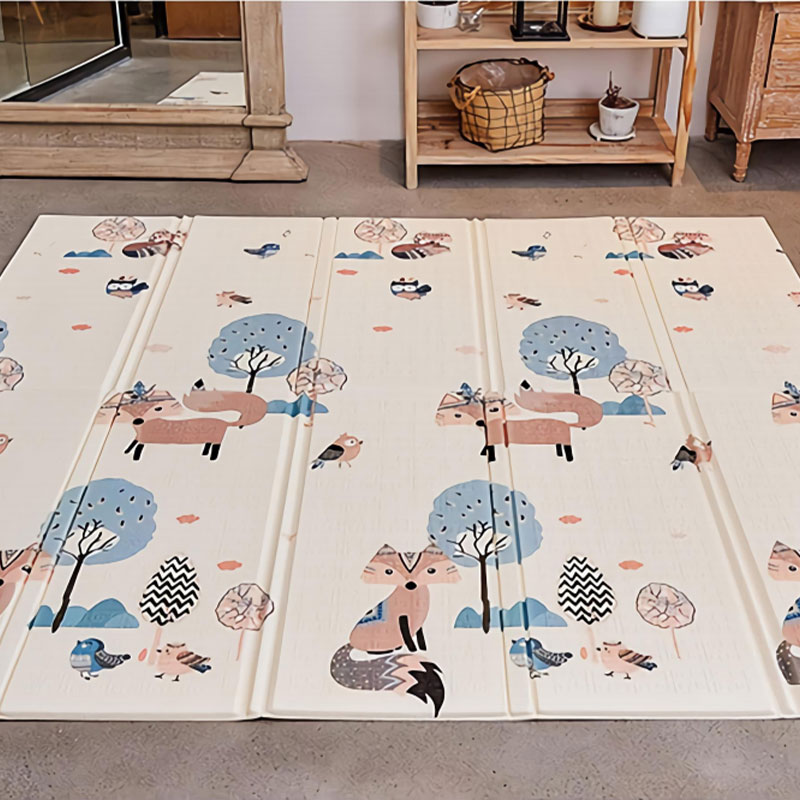
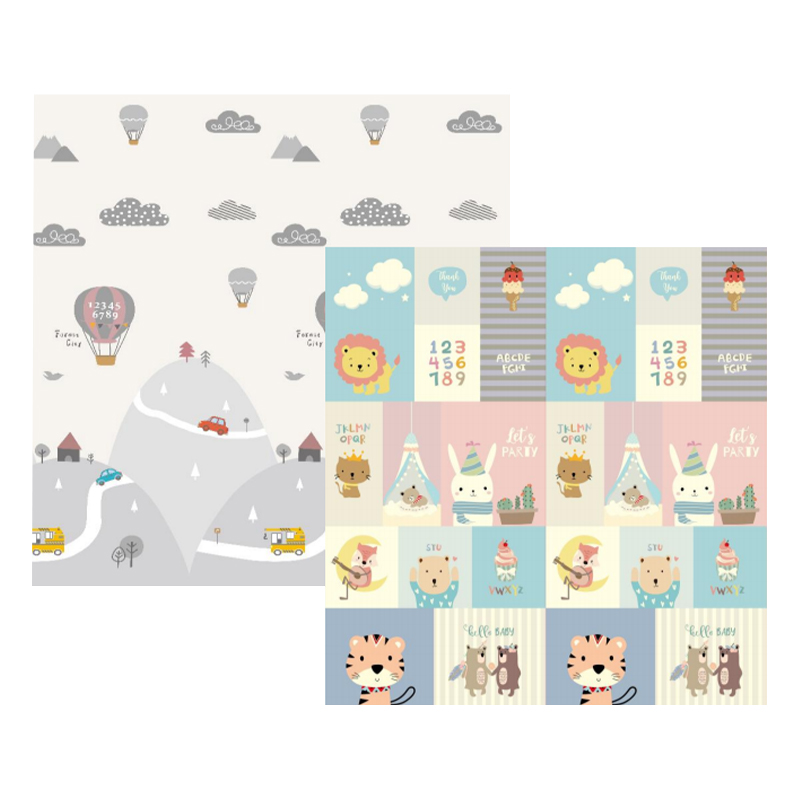
Thickened baby crawling mats come in squares, rectangles, circles, and even puzzle‑piece sets. How do you pick the right size? First, think about where you'll put it. Measure the floor space in your living room or nursery. A standard 140×200 cm rectangle is good for one crawling baby – they have room to roam without bumping into furniture. If you have twins or an older toddler who plays alongside, consider 180×200 cm or larger.
For shape, rectangles are the most practical – they fit against walls and leave no gaps. Circular mats look cute but waste floor space. Puzzle mats (interlocking squares) let you customize size, but be careful: the seams can collect crumbs and dust, and some babies pick at the edges. A one‑piece mat is easier to clean and has no seams to trip over.
Also, consider storage. If you have a small apartment, a foldable thickened mat that can be tucked behind a sofa or under a bed is a lifesaver. Some come with carrying straps. If you have a dedicated playroom, a larger non‑foldable mat that stays put is perfectly fine.
Safety First – What to Look For on the Label
Your baby will spend hours on this mat, mouthing toys, drooling, and maybe even chewing the mat itself (yes, they do that). So safety certifications are non‑negotiable. Here's a checklist of what any credible thickened baby crawling mat should have:
- Non‑toxic materials – Look for "phthalate‑free," "BPA‑free," and "formaldehyde‑free." Reputable brands will state these clearly.
- Certification – In the US, look for ASTM F963 (toy safety standard) or CPSIA compliance. In Europe, EN71 is the equivalent. These mean the mat has been tested for harmful substances.
- Low VOC (volatile organic compounds) – New mats sometimes have a "new car" smell – that's off‑gassing. High‑quality XPE mats have very little odor and air out in a day. If the smell lingers for weeks, send it back.
- Non‑slip backing – The mat should stay put on your floor. Check for a textured or rubberized bottom layer. If the mat slides, it's a hazard, especially when baby pushes off to stand.
- Waterproof surface – A sealed, wipeable top layer is a must. Spills, drool, and diaper leaks happen – you need to clean them off quickly without liquid seeping into the foam.
Surface Texture – Smooth vs. Embossed vs. Fabric
The top layer of your thickened baby crawling mat affects grip, cleanliness, and feel. There are three main types:
- Smooth PE film – Easy to wipe clean, but can be slippery when wet. Best for babies who are just starting to crawl – it reduces friction so they can slide their knees.
- Embossed/textured – Has a light pattern (like dots or lines) that adds grip without being rough. Good for toddlers who are pulling up or walking – their feet won't slip. Also hides minor scuffs.
- Fabric‑covered – Some high‑end mats have a cotton or polyester cover that's removable and washable. They feel warmer and more comfortable, but they absorb liquids and need frequent washing. If you choose this, make sure the cover is fully removable and the foam core is sealed (so moisture doesn't reach it).
For most parents, an embossed PE surface offers the best balance – it's easy to clean, has decent grip, and lasts without showing wear.
Cleaning and Maintenance – Keep It Fresh
A mat that sees daily use will get dirty – there's no way around it. Dust, crumbs, drool, and marker stains (if you have an older sibling) all end up on the surface. The good news: most thickened baby crawling mats with a sealed PE top are a breeze to clean.
Daily Wipe‑Down
Keep a spray bottle with water and a few drops of mild dish soap nearby. Spray lightly and wipe with a soft cloth. For sticky spots, use a baby‑safe disinfectant wipe (alcohol‑free) or a vinegar solution (1:10 vinegar to water). Avoid harsh chemicals like bleach – they can degrade the foam and leave toxic residues.
Weekly Deep Clean
Once a week, vacuum the surface with a handheld vacuum or brush attachment to remove dust from embossed patterns. Then do a full wipe with warm soapy water, rinse with a damp cloth, and air dry. If your mat is foldable, unfold it completely so the creases don't trap moisture.
Dealing with Stains
For tough stains (like fruit puree or marker), make a paste of baking soda and water, apply, let sit for 10 minutes, then wipe. Test on a small corner first to ensure it doesn't fade the print. Never submerge the mat in water – the foam core can absorb liquid and grow mold.
Storage Tips
If you roll or fold your mat for storage, avoid placing heavy items on top, as that can permanently compress the foam. Store it in a cool, dry place out of direct sunlight – UV rays can yellow the surface over time.
Common Myths About Thickened Baby Crawling Mats – Busted
There's a lot of misinformation floating around. Let's clear up a few frequent misunderstandings:
- Myth: "Thicker mats are too soft and make it harder for baby to learn to crawl." Fact: A 2‑cm mat is firm enough to provide push‑off resistance – babies need a stable surface to develop muscles. Only overly soft memory‑foam mats (5+ cm) might hinder movement, but those aren't marketed as crawling mats.
- Myth: "All foam mats are the same – just buy the cheapest." Fact: Material quality varies wildly. Cheap EPE mats flatten in weeks, while XPE mats stay bouncy for years. Also, cheap mats often have stronger chemical odors.
- Myth: "A mat with a printed design is less safe because the ink can rub off." Fact: High‑quality mats use heat‑transfer printing that's sealed under a protective film – it doesn't come off. Always check that the print is embedded, not surface‑coated.
- Myth: "You don't need a mat if you have carpet." Fact: Carpet is soft but doesn't provide even support – babies can get rug burns on knees, and carpets harbor dust mites. A smooth, clean mat is actually safer and easier to keep hygienic.
Budget vs. Premium – Where to Splurge and Where to Save
Prices for a thickened baby crawling mat range from $30 to over $200. Where should you invest? Here's a practical breakdown:
- Splurge on: Material (XPE over EPE), thickness (2 cm or more), safety certifications (ASTM/EN71), and a non‑slip backing. These affect safety and longevity – the core reasons you're buying a mat.
- Save on: Fancy prints, branded characters, or extra accessories (like carrying bags or side bumpers). These are nice but not essential. A plain, solid‑color mat from a trusted brand often costs less and works just as well.
- Mid‑range sweet spot: $60–$100 usually gets you a 2‑cm XPE mat with a textured PE surface and basic safety certs – ideal for most families.
Avoid the absolute cheapest options (under $30) – they're almost always EPE with thin coatings, and they won't provide real protection. Also, be cautious of "too good to be true" deals on large sizes – they often skimp on thickness or material.
Real‑World Checklist – Before You Click "Buy"
To make your decision easier, here's a final checklist. Print it out or save it on your phone – it'll help you compare products quickly.
- Is the thickness clearly stated (not hidden in specs)? Aim for ≥1.5 cm.
- Is the material XPE? If it says "PE foam" without "cross‑linked," it's likely EPE – ask or look for "XPE" explicitly.
- Does it have a non‑slip bottom? Check customer photos for grip patterns.
- Are there safety certifications? Look for ASTM F963, CPSIA, or EN71 in the description or on the package.
- Is the surface waterproof and easy to wipe? Avoid fabrics unless they're removable and washable.
- What's the size – does it fit your designated floor space? Measure twice.
- Are there any customer reviews mentioning odor, flattening, or slipping? Read the 1‑star and 2‑star reviews – they reveal real issues.
- Does it come with a warranty or return policy? A good brand stands behind its product.
Take your time. A thickened baby crawling mat is an investment in your baby's safety and your peace of mind. With the right choice, it'll see you through the crawling phase, the wobbly walking phase, and even serve as a play mat for puzzles and blocks for years to come.