

 English
 Français
 русский
 عربى
عربى Español
Content
- 1 What Makes XPE Foam Special for Home Mats?
- 2 Real-Life Ways Families Use XPE Folding Mats at Home
- 3 How to Choose the Right XPE Folding Mat for Your Space
- 4 Easy Care Tips to Keep Your Mat Fresh and Functional
- 5 Common Mistakes to Avoid When Buying or Using XPE Mats
- 6 Why XPE Folding Mats Are Worth the Investment
What Makes XPE Foam Special for Home Mats?
XPE, short for cross-linked polyethylene foam, is a closed-cell material engineered for comfort, durability, and safety in everyday home environments. Unlike cheaper EVA foam that can carry a strong plastic smell or PVC mats that feel sticky in humid weather, a quality XPE folding mat for home use stays odorless, water-resistant, and easy to wipe clean. The cross-linking process strengthens the foam's molecular structure, giving it excellent rebound after compression—meaning it won't permanently dent under furniture legs or repeated crawling. Because the cells are fully sealed, liquids like spilled juice, pet accidents, or sweat bead up on the surface instead of soaking in, which helps prevent mold, mildew, and lingering odors. Most reputable home mats also carry non-toxic certifications like EN71 or CPSIA, making them a trusted choice for nurseries, playrooms, and multi-purpose living spaces.
Real-Life Ways Families Use XPE Folding Mats at Home
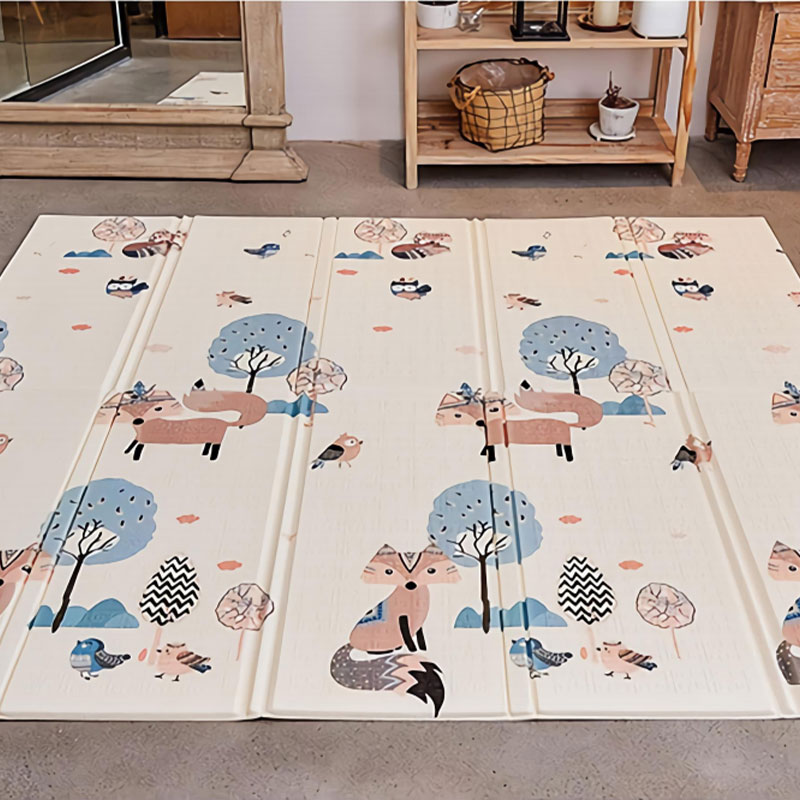
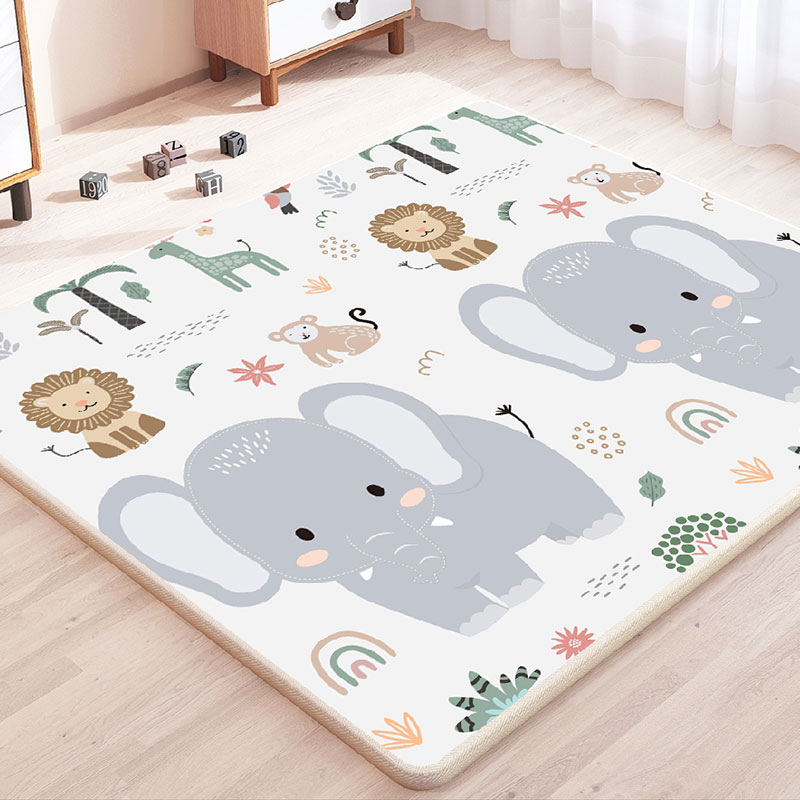
The versatility of a foldable play mat made from XPE foam shines when you see how many different roles it can fill in a single household. Parents lay it out in the living room as a soft, safe zone for babies learning to crawl, then fold it neatly and tuck it behind the sofa when guests arrive. Fitness enthusiasts unroll the same mat for morning yoga or core workouts, appreciating the non-slip textured surface that stays put on hardwood or tile. Some families even use a thicker 20mm cross-linked polyethylene foam mat as a temporary sleeping pad for sleepovers or camping in the backyard. Because these portable floor cushions fold along pre-creased lines, they store compactly in closets, under beds, or in car trunks—ready to deploy whenever extra cushioning or defined floor space is needed.
Perfect for Little Ones: Baby and Toddler Safety
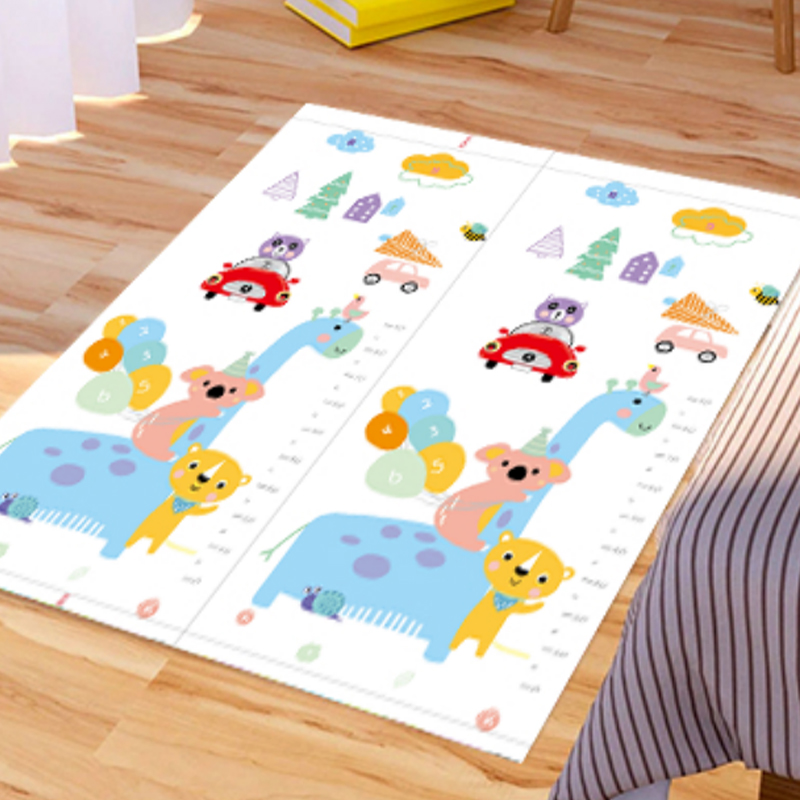
When choosing a baby crawling mat, parents prioritize materials that won't off-gas harmful chemicals or harbor bacteria. XPE folding mats for home use typically meet strict phthalate-free and heavy-metal-free standards, and their smooth, seamless surface has no tiny crevices where crumbs or germs can hide. The cushioning thickness—usually between 10mm and 20mm—absorbs impact from tumbles without being so soft that it compromises balance for new walkers. Many designs feature colorful, high-contrast patterns or educational prints like alphabets and numbers, turning playtime into a gentle learning opportunity. And because the material is waterproof, a quick wipe with a damp cloth and mild soap is all it takes to clean up messes, saving busy parents time and stress.
Quick Setup for Workouts and Relaxation
For home exercise, the non-slip texture on both sides of an XPE folding mat keeps it stable during downward dogs, planks, or stretching routines. Unlike thin yoga towels that slide on hardwood, the foam's slight grip holds position without needing extra adhesive or mats underneath. The lightweight nature—most full-size mats weigh under 2.5 kg—means you can carry it from room to room or even take it to the park with one hand. After your session, simply fold along the scored lines, secure with the attached strap or elastic band, and store it vertically in a corner. This convenience encourages consistent use, whether you're squeezing in a 10-minute stretch between chores or setting up a dedicated wellness zone for evening meditation.
How to Choose the Right XPE Folding Mat for Your Space
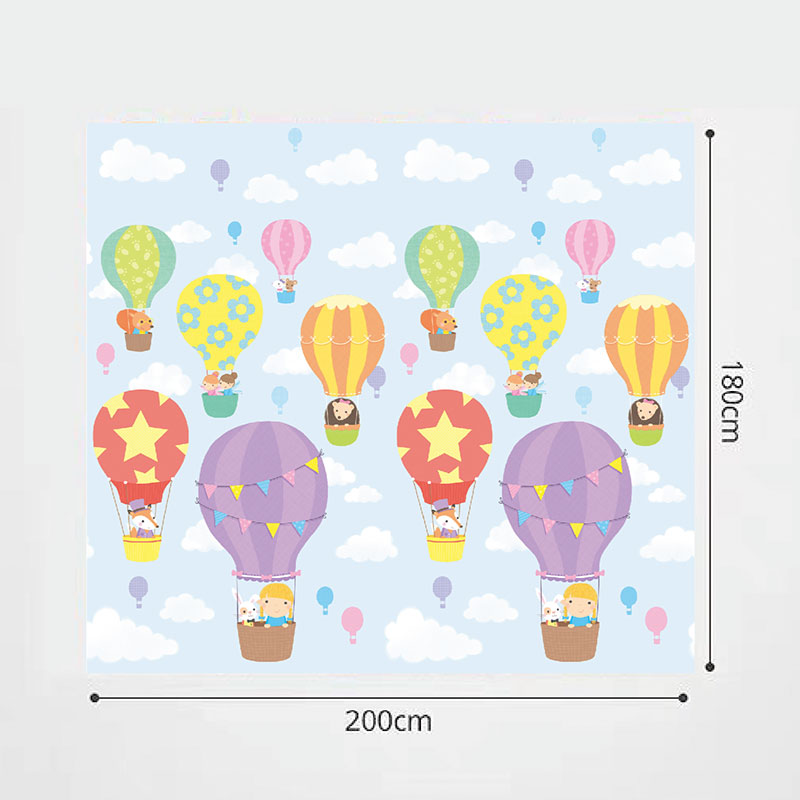
Selecting the ideal foldable play mat starts with matching thickness and size to your primary use case. For baby play areas, a 15mm or 20mm thickness provides ample cushioning for falls while still offering enough firmness for stable standing practice. For yoga or general floor exercises, 10mm to 12mm often strikes the best balance between comfort and stability. Measure your available floor space both when the mat is fully unfolded and when folded—common unfolded dimensions range from 180x120 cm to 200x150 cm, while folded sizes typically shrink to roughly 60x40 cm for easy storage. Also consider surface texture: a subtle pebbled finish enhances grip for workouts, while a smoother print-friendly surface works better for educational designs aimed at toddlers.
| Thickness | Best For | Folded Size Approx. | Weight Range |
| 10 mm | Yoga, light stretching, older kids | 55 x 35 cm | 1.2 – 1.8 kg |
| 15 mm | Baby crawling, mixed family use | 60 x 40 cm | 1.8 – 2.5 kg |
| 20 mm | Maximum cushioning, guest sleeping | 65 x 45 cm | 2.5 – 3.5 kg |
Easy Care Tips to Keep Your Mat Fresh and Functional
One of the biggest advantages of an XPE folding mat for home use is how low-maintenance it is compared to fabric rugs or traditional foam tiles. Because the closed-cell structure repels liquids, most spills can be handled with a quick wipe using a soft cloth dipped in warm water and a drop of gentle dish soap. Avoid abrasive scrubbers, bleach, or ammonia-based cleaners, as these can degrade the surface texture or fade printed designs over time. After cleaning, let the mat air dry completely in a well-ventilated area before folding it away—trapping moisture inside the folds can lead to musty smells even on waterproof materials. For deeper sanitizing, a light mist of vinegar-water solution (1:3 ratio) works well and evaporates quickly without residue.
Simple Cleaning Routine for Busy Households
- Wipe down the surface with a damp microfiber cloth after each use if kids are eating or drawing on the mat.
- Once a week, do a deeper clean with mild soap and water, then air dry flat or hanging over a chair back.
- Spot-treat stubborn stains like crayon or juice with a paste of baking soda and water, gently rubbing with a soft sponge.
- Store the folded mat in a dry, shaded spot—avoid direct sunlight or heat sources that could warp the foam over time.
Smart Storage Ideas for Small Apartments
If floor space is tight, treat your portable floor cushion like a flexible piece of furniture. Fold it vertically and slide it behind a bookshelf or sofa, where it stays hidden but accessible. In bedrooms, tuck it under the bed using a slim storage bag to keep dust off. Some families mount a simple wall hook or over-the-door rack to hang the folded mat by its carry strap, turning storage into a visual accent. The key is to avoid crushing the mat under heavy items, which can create permanent creases or compress the foam's rebound quality. With thoughtful placement, your XPE folding mat for home use stays ready for action without cluttering your living area.
Common Mistakes to Avoid When Buying or Using XPE Mats
Even with a versatile product like a cross-linked polyethylene foam mat, small missteps can lead to disappointment. One frequent error is choosing a mat that's too thin for the intended use—like buying a 10mm yoga mat for a crawling baby, which may not provide enough impact absorption. Another is overlooking certification labels; always verify that the mat meets relevant safety standards for your region, especially if children will use it daily. Some users also make the mistake of folding the mat against its pre-scored crease lines, which can cause cracking or uneven wear over time. Finally, using harsh chemical cleaners or leaving the mat in direct sunlight for extended periods can fade colors and weaken the foam's surface texture, shortening its useful life.
Why XPE Folding Mats Are Worth the Investment
While budget-friendly foam mats might tempt shoppers with lower upfront costs, a quality XPE folding mat for home use delivers long-term value through durability, versatility, and peace of mind. The material resists tearing, maintains its cushioning after hundreds of fold-unfold cycles, and stays hygienic with minimal effort. Because one mat can serve multiple roles—play surface, workout zone, guest padding, or picnic blanket—you avoid buying several single-purpose products. Over time, this multi-functionality, combined with easy care and reliable performance, makes a well-chosen XPE mat a smart, cost-effective addition to any home that values comfort, safety, and adaptable living space.