

 English
 Français
 русский
 عربى
عربى Español
Choosing a burlap texture wall sticker comes down to three practical questions: do you need the look of woven linen without the price of real burlap, what surface will it stick to, and how much wear should it survive? The answer is usually straightforward – a printed film with a realistic weave pattern can deliver the visual warmth and tactile feel you want, while being easier to maintain and far more affordable than installing actual burlap fabric. But not all wall stickers are made the same way, and the differences in base film, adhesive, and print quality decide whether the finish lasts or starts peeling within months.
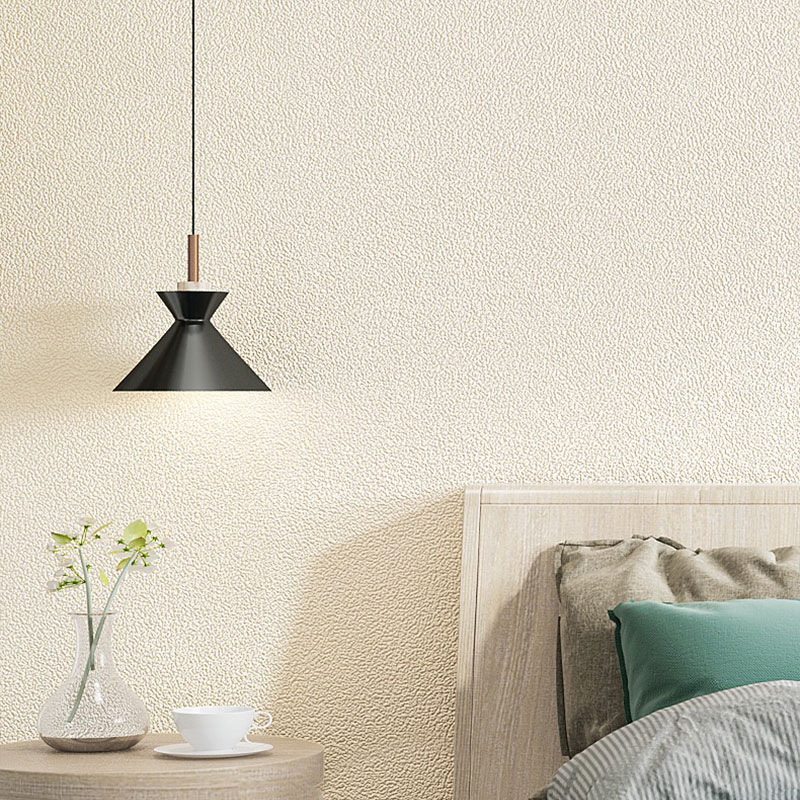 Realistic Linen Weave Pattern Wall Sticker for Rustic Home DecorThis self-adhesive film mimics burlap's texture with a durable PVC surface, offering a waterproof and stain-resistant finish that is easy to install and remove, ideal for accent walls or commercial spaces.View Product →
Content
What Makes Burlap Texture Wall Stickers Different
Burlap texture wall stickers are not actual woven burlap. They are printed composite films that reproduce the surface appearance of linen fabric. A manufacturer starts with a base film, applies a colored print with a detailed weave pattern, and then finishes the surface with a matte or embossed coating to create a slight tactile grain. This approach gives you the rustic, natural character of burlap without the messy fibers, dust, or upkeep that real fabric requires.
The visual result is surprisingly convincing. With a high-resolution print, the interlacing threads appear as fine ridges and shadows, and the matte coating reduces the plastic sheen that makes some decorative films look cheap. The best designs use a warm earth tone palette – beige, sand, off-white, or light brown – and keep the pattern scale close to natural linen so it reads as a real textile from a normal viewing distance.
Print Quality and Realism
Look at the blur level in the printed fibers. A low-quality burlap texture sticker often shows a stretched or pixelated weave that looks like a blurry photo on a screen. A premium version holds consistent thread thickness and interlock spacing. The key is the printing equipment: six-color gravure presses, for example, can control color registration tightly and produce a repeatable texture across the entire roll.
Base Film and Surface Properties
The base film matters as much as the print. Most quality products use a PET or PVC film in a thickness range around 0.08–0.15 mm, which balances flexibility with durability. A thicker film resists tearing and doesn't wrinkle as easily during application. The film should also be treated to be stain-resistant and water-resistant, since a burlap texture wall sticker in a hallway or kitchen will occasionally be wiped with a damp cloth.
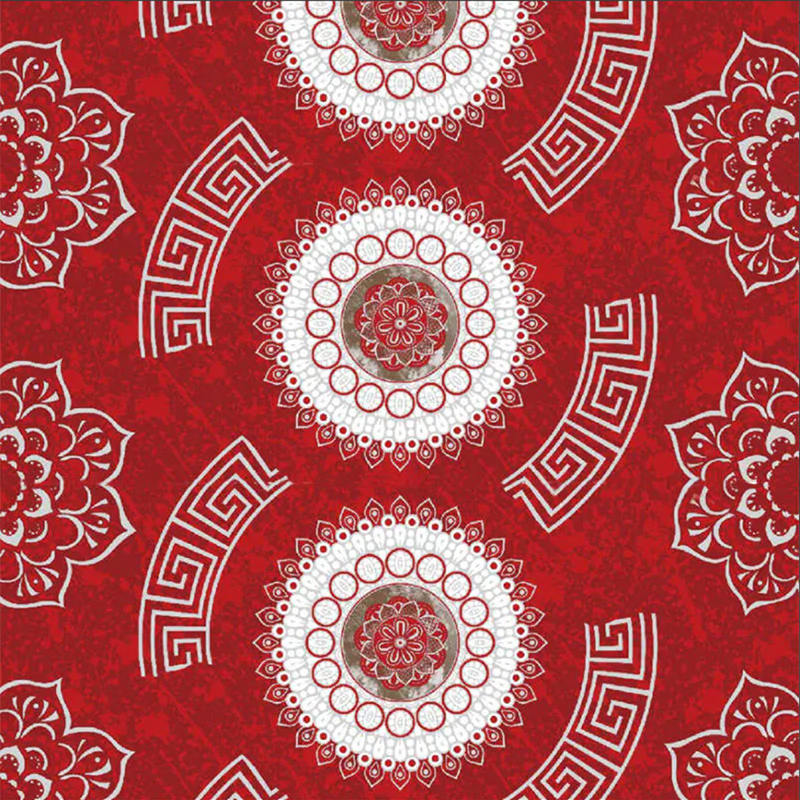
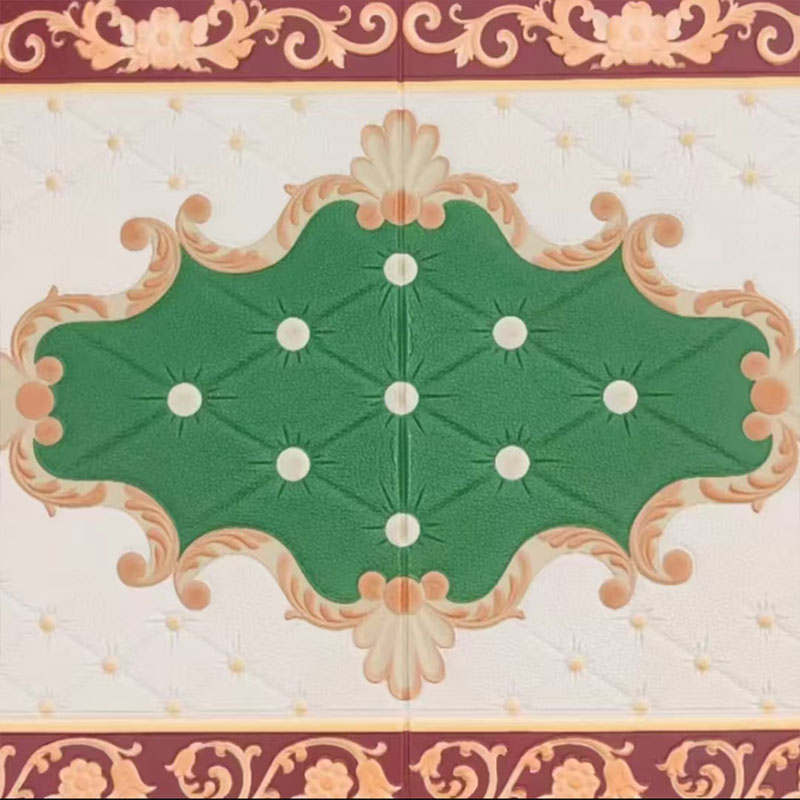 Self-Adhesive Tatami Bed Wall Sticker with Traditional Chinese PatternsDesigned for tatami beds and gangways, this sticker features varied motifs like peonies and auspicious clouds, providing an easy-to-apply, peel-and-stick decorative option that suits both traditional and modern interiors.View Product →
Choosing the Right Material and Adhesive
When you compare burlap texture wall stickers, the adhesive is often the reason one sticker works and another fails. A solvent-free pressure-sensitive adhesive is the safest choice for most interiors. It releases cleanly if you need to reposition the sticker, and it does not produce the strong solvent smell that can make a room uncomfortable for hours. The adhesive's initial tack should be high enough to hold firmly on a clean vertical wall, but not so aggressive that it damages drywall covers when you peel it off later.
What to Check Before Buying
Use this short checklist to evaluate a product before you buy:
- Base film type: PVC is common and reasonably priced; PET is stronger and more stable in cold rooms or high-humidity spaces.
- Adhesive type: Solvent-free is preferred for indoor air quality. Repositionable adhesive is a plus for first-time installers.
- Release liner: A good liner lets you peel off the backing paper in one piece without splitting or curling aggressively.
- Print resolution: A sharp weave pattern needs fine screen dots; anything that looks fuzzy at arm's length will look worse once it is on the wall.
- Surface finish: Matte is usually better than glossy for a linen look. Glossy coatings create reflections that break the illusion of fabric.
If you are covering a horizontal surface such as a tatami mat bed, a self-adhesive product made for that specific application is a safer bet than a standard wall sticker. The adhesive needs to withstand pressure and occasional sliding contact, and the film should be slightly thicker to resist surface scuffs. For a deeper look at the material itself, see what burlap texture decorative film is.
Comparison with Real Burlap Fabric
Understanding the trade-off between real burlap and a burlap texture wall sticker helps you make a confident purchasing decision. The table below summarizes the key differences.
| Factor | Real burlap fabric | Burlap texture wall sticker |
|---|---|---|
| Installation | Requires glue, staples, or a frame; heavy and cumbersome | Peel and stick; light and forgiving |
| Cost per square meter | Higher, especially when you include labor | Lower, with a typical all-in cost well below fabric plus installation |
| Appearance | True three-dimensional weave with visible knots | Realistic printed weave, flat but convincing |
| Water resistance | Poor; absorbs liquids and stains quickly | Good; wipeable surface repels most water |
| Longevity | Can fray, fade, and collect dust | No fraying; print may fade after years of UV exposure |
| Repair | Patch or replace a section | Peel and reapply a new piece |
How to Install Burlap Texture Wall Stickers
Installation is the main reason people choose this product. With a clean smooth surface, the entire job takes under an hour for an average accent wall. The process is simple if you follow three steps.
- Clean and prepare the surface. Wipe the wall with a lint-free cloth to remove dust and grease. Make sure the paint is fully dry and not peeling. For a tatami mat or bed surface, brush off crumbs and fibers to prevent air bubbles.
- Plan the layout. Measure the area and cut the sticker with a utility knife, leaving a 2 cm overlap on each edge for trimming. Use a level or chalk line to keep the pattern straight, especially if the weave design is directional.
- Apply and smooth. Peel back about 10 cm of the release liner and align the sticker at the top edge. Press down gently and gradually remove the liner downward, using a plastic squeegee in a diagonal pattern to push out air bubbles. For a tatami bed, start from the center and work outward.
One common mistake is to apply the sticker on a freshly painted wall that is still off-gassing. Off-gassing can create bubbles and weaken the adhesive bond. Wait at least two weeks after painting before installing any wall sticker.
Where Burlap Texture Wall Stickers Work Best
Because burlap texture is warm and neutral, it works in many rooms – but not all. Use it on a bedroom accent wall behind a headboard, in a living room niche, or on the side of a bedside table. It also excels as a surface cover for tatami mat beds, providing a slip-resistant, decorative layer that resembles linen. For these horizontal applications, choose a self-adhesive product that is engineered for repeated contact.
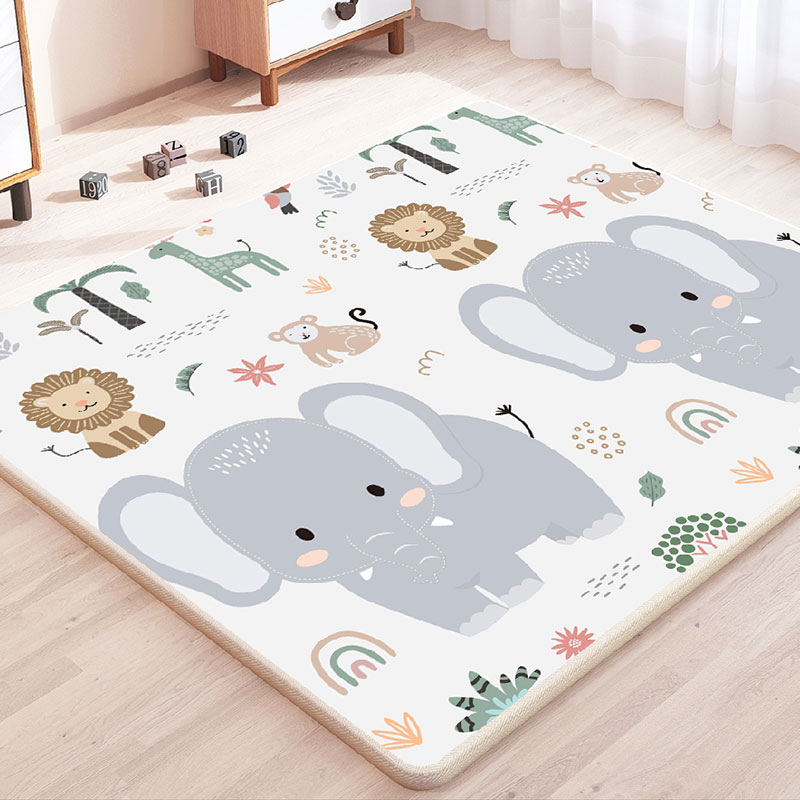
The most practical use is to create a “mudcloth” or rustic look in a kid's room or reading nook, where the calming profile of woven linen softens the room without costly wallpaper installation. Indoors, it is better to avoid direct sunlight exposure. Prolonged UV light will fade even high-quality prints over time, and the film may begin to curl at the edges if the room overheats. If you are still deciding between the different burlap texture wall sticker options, focus on the application surface first.
Care and Longevity
Once the burlap texture wall sticker is in place, maintenance is mostly just dusting. A soft microfiber cloth or a lightly dampened sponge is enough for normal use. Avoid scrubbing with abrasive pads or applying harsh cleaning agents that can attack the printed layer. For an adhesive film, this low maintenance is a genuine advantage over real burlap, which tends to trap dust in the weave and discolors when cleaned with water.
The lifespan of a quality sticker depends largely on the room environment. In a stable indoor setting with no direct UV light, a PET-based sticker can stay looking fresh for several years. In a bathroom or near a cooking area, moisture and temperature swings stress both the film and the adhesive. Before purchasing, check whether the product has any flame-retardant or fire-safety certification if the local code requires it. A manufacturer should be able to tell you which standards the film meets.
When a section does become damaged, repair is straightforward. Cut away the loosened piece, clean the area, and apply a new patch. The seam is usually visible only up close. That simplicity is why many homeowners and small renovation contractors choose burlap texture wall stickers over fabric or traditional wallpaper.