

 English
 Français
 русский
 عربى
عربى Español
When a buyer searches for "color printing film," the results can be misleading. In photography, the term refers to the light-sensitive material used to make prints from film negatives. But in the world of manufacturing and interior finishing, color printing film means something entirely different: a pre-printed polymer film that adds color, texture, and protection to surfaces such as walls, floors, mats, and packaging. This guide focuses on the industrial meaning, because that is where most purchasing decisions are made. If you are sourcing printed films for wall panels, floor mats, or packaging structures, the technical details below will help you avoid costly mismatches.
Content
What Is Color Printing Film in the Industrial Context?
Industrial color printing film is a multilayer material built around a polymer substrate — typically PET, BOPP, PVC, EPE, or XPE — with printed graphics applied to its surface. The printed layer may be protected by a clear coating or laminated to another film for added durability. The result is a flexible, decorative, and often functional sheet that can be glued, wrapped, or heat-laminated onto a target surface.
The substrate determines the film's mechanical behavior. PET films offer high tensile strength and dimensional stability, making them suitable for wall coverings and composite panels. BOPP films are lighter and commonly used in packaging because of their clarity and moisture resistance. XPE/EPE foams, although technically thicker than a film, are often covered with a printed film layer to create floor mats and picnic mats. Understanding the base material is the first criterion in choosing the right product.
A common question is whether any printed film can be used outdoors. The answer depends on the ink system and the added protective layer. Solvent-based or UV-cured inks with an anti-UV coating are better for sunlight exposure, while water-based inks are usually limited to indoor applications. For demanding interior spaces, such as kitchens or bathrooms, moisture resistance becomes the deciding factor. A quality PVC waterproof film, for example, can be wiped clean without degrading the print.
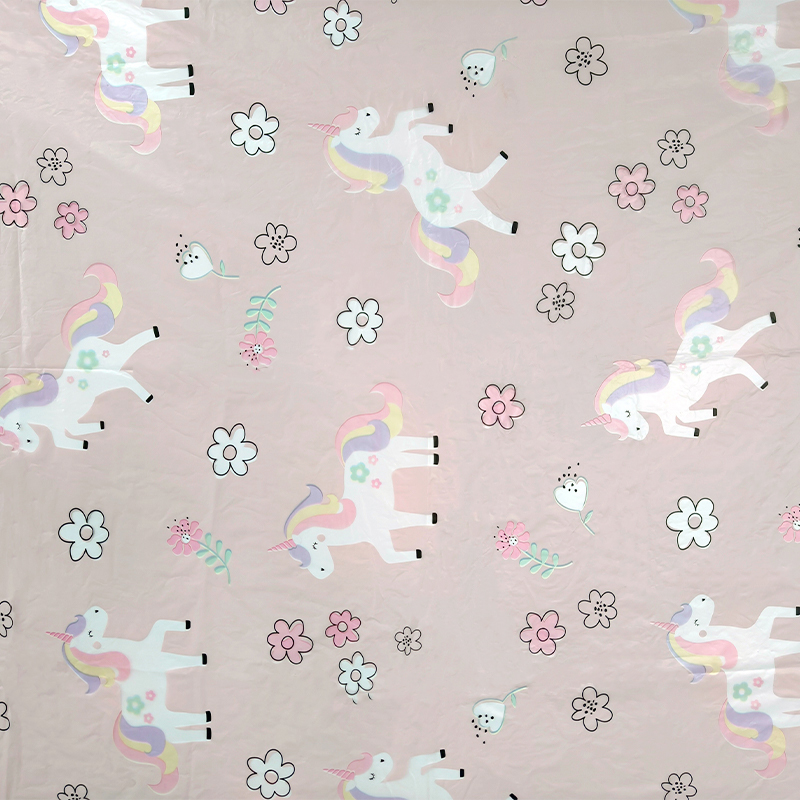 Large-Format Color Printing Film in 600–2400mm WidthsThis PVC-based printing film offers strong ink adhesion and moisture resistance, making it suitable for demanding indoor spaces like kitchens and bathrooms where wipe-clean durability matters.View Product →
For a more detailed explanation of the exact layers and how they are produced, you can read our guide on what color print film is. That article breaks down the material structure and typical uses in plain language.
Key Technical Criteria for Choosing Color Printing Film
Not all color printing film performs equally. The table below summarizes the most important properties to compare when evaluating samples from different suppliers.
| Property | What to Check | Why It Matters |
|---|---|---|
| Print quality | Color accuracy, registration, dot gain | Affects brand consistency and visual appeal |
| Substrate thickness | Micron (µm) or grammage | Thicker films resist tearing and creasing |
| Surface finish | Matte, glossy, marble, linen, or embossed | Defines the final decorative effect |
| Moisture resistance | Water exposure test; waterproof coating | Essential for kitchens, bathrooms, and outdoor use |
| Adhesion | Peel strength on target surface | Prevents peeling and air bubbles after installation |
| Slip resistance | Surface friction test | Critical for floor mats and picnic mats |
| Width and length | Maximum roll width; cut-to-size capability | Larger widths reduce seams and installation time |
Among these, the maximum film width is often underrated. A roll width of 600 mm is standard for many wall stickers, while 2400 mm widths allow seamless coverage of large surfaces. If your project involves wide panels or long runs, a supplier that offers 2400 mm printing capacity will save you both material and labor costs.
Print Color Count and Registration
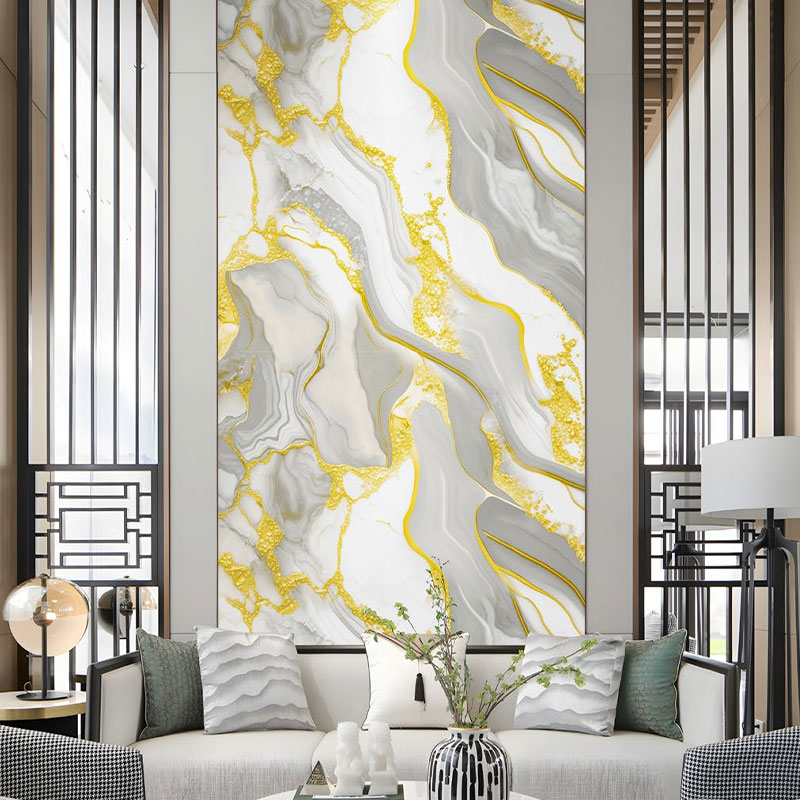
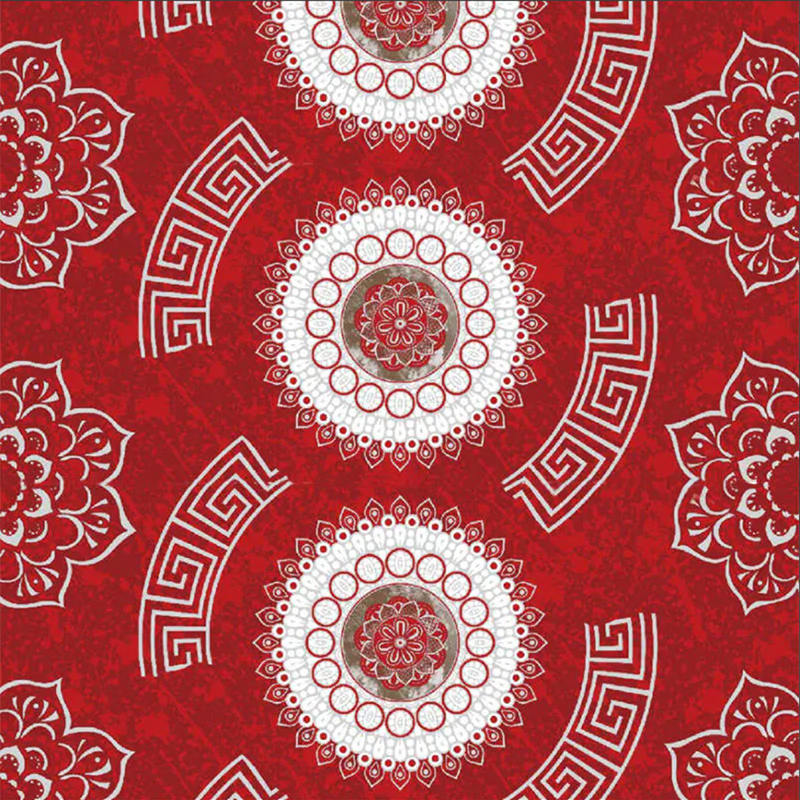
Most decorative films require four to six colors. A six-color press can reproduce continuous-tone patterns such as marble veining or linen weaves with smooth gradation. If your design includes gold foil accents or special textures, confirm that the printer can handle that additional step. Inconsistent registration between colors results in blurry edges that become unacceptable on large surfaces.
Application-Specific Guidance
Different end products place very different demands on the film. The following sections cover the most common buying scenarios.
Wall Coverings and Interior Renovation
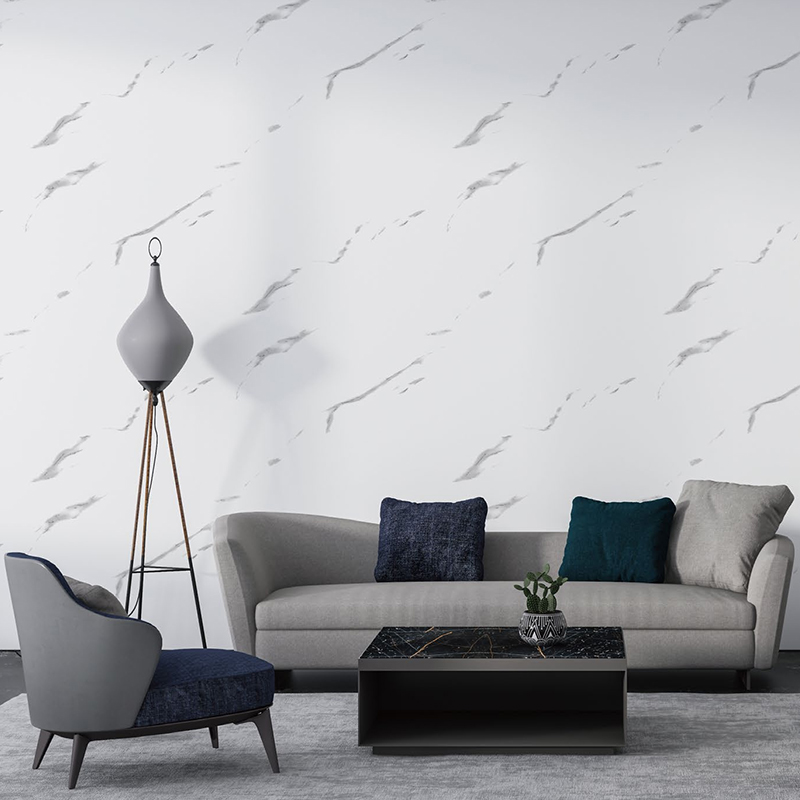
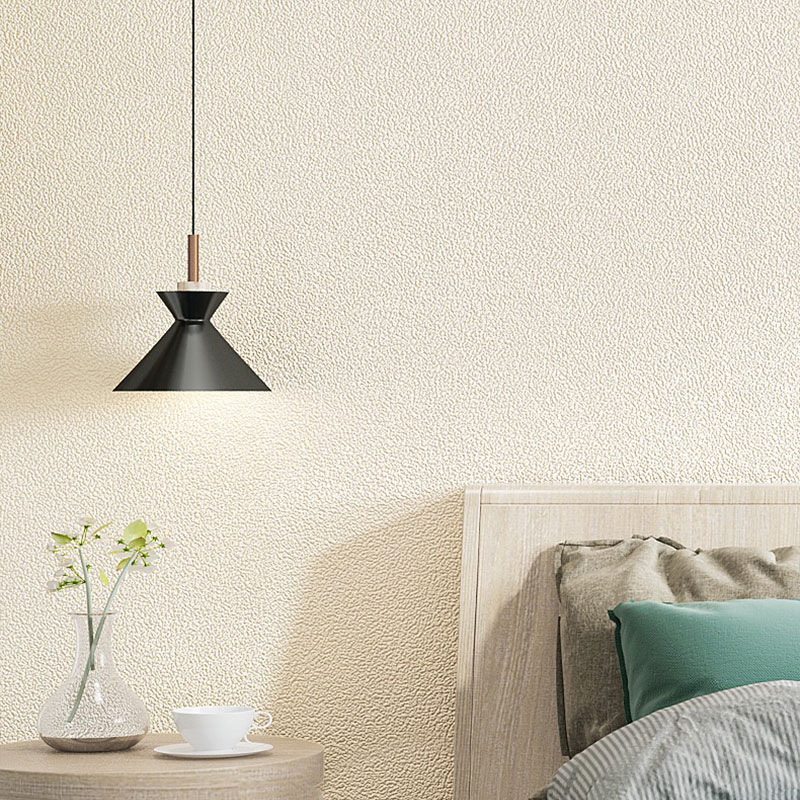
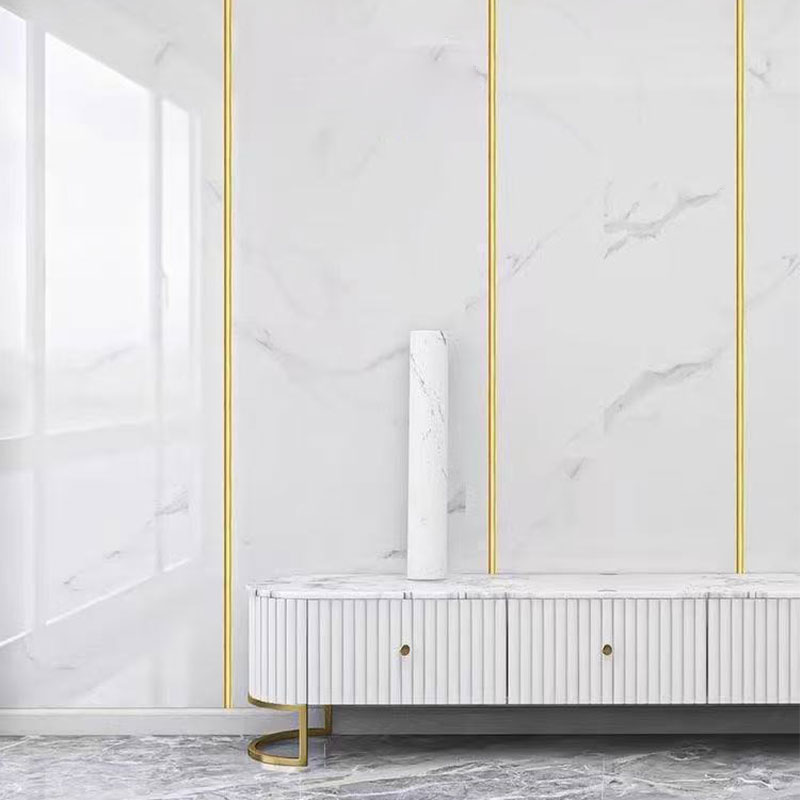
For walls, the film must bond firmly yet allow repositioning during installation. Imitation tile marble wall stickers and burlap texture wall stickers are popular because they replace paint, wallpaper, and even natural stone at a fraction of the cost. The key criteria here are peel-and-stick adhesion, tear resistance, and the ability to conform to uneven surfaces. A film with a PVC layer tends to be slightly more forgiving on curved corners than a pure PET film.
Floor Mats and Crawling Mats
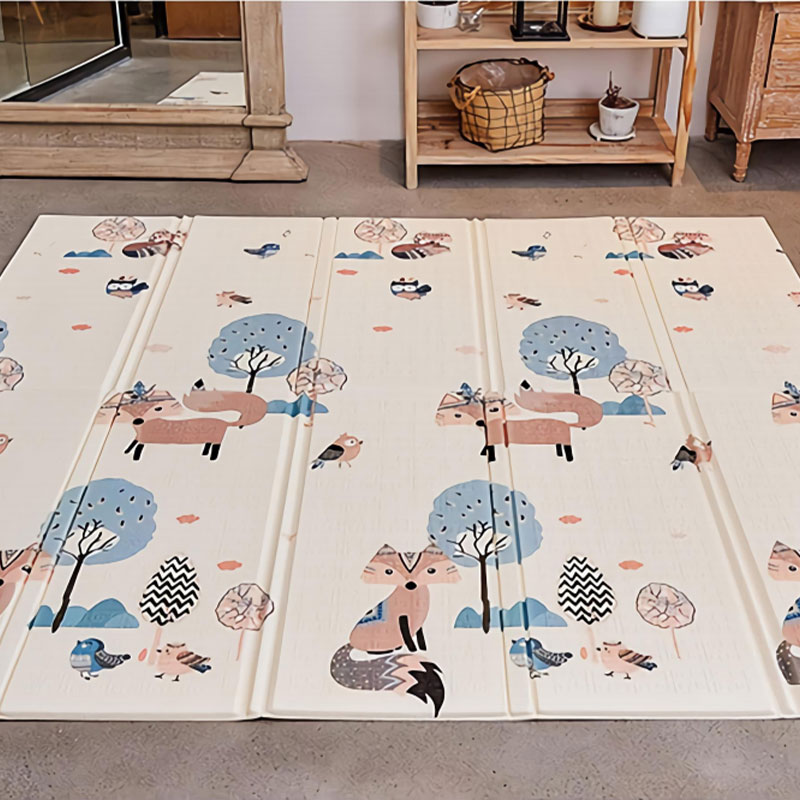
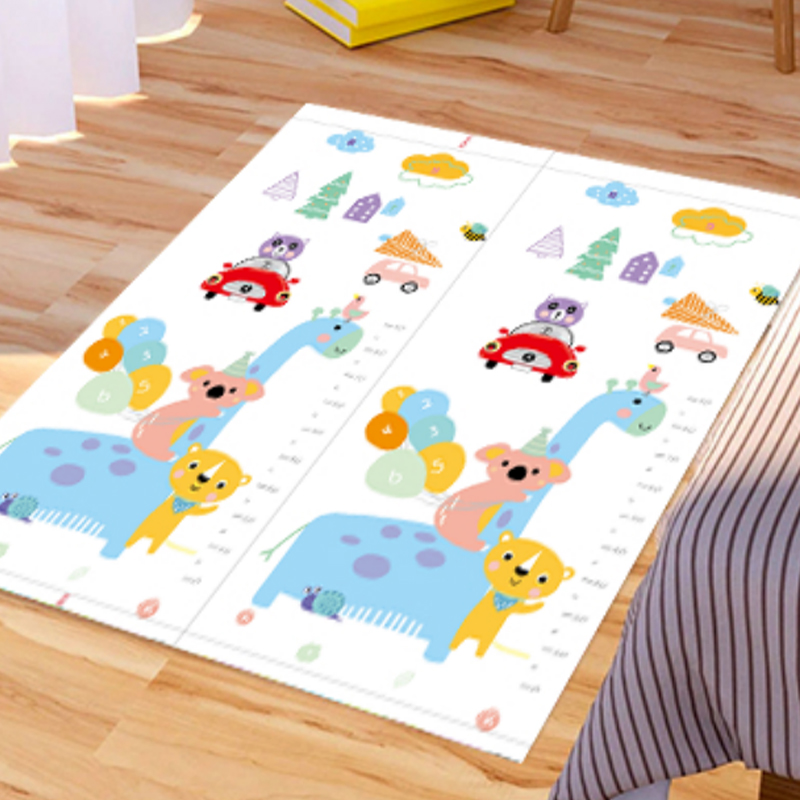
Floor mats require extra attention to slip resistance and durability. A printed film laminated to XPE foam creates a cushioned, washable surface for babies and toddlers. The film must be non-toxic, free of sharp edges, and able to withstand repeated wiping.
Packaging and Construction Films
In packaging, color printing film is often used as an outer layer that combines graphics with barrier properties. In construction, the film may be applied to cement boards, gypsum panels, or insulation materials to give them a finished appearance. These uses usually demand a higher bond strength and resistance to abrasion. If you need a ready-made option, a 300 mm × 2100 mm printed composite film is a common size for wrapping building profiles and small packaging units.
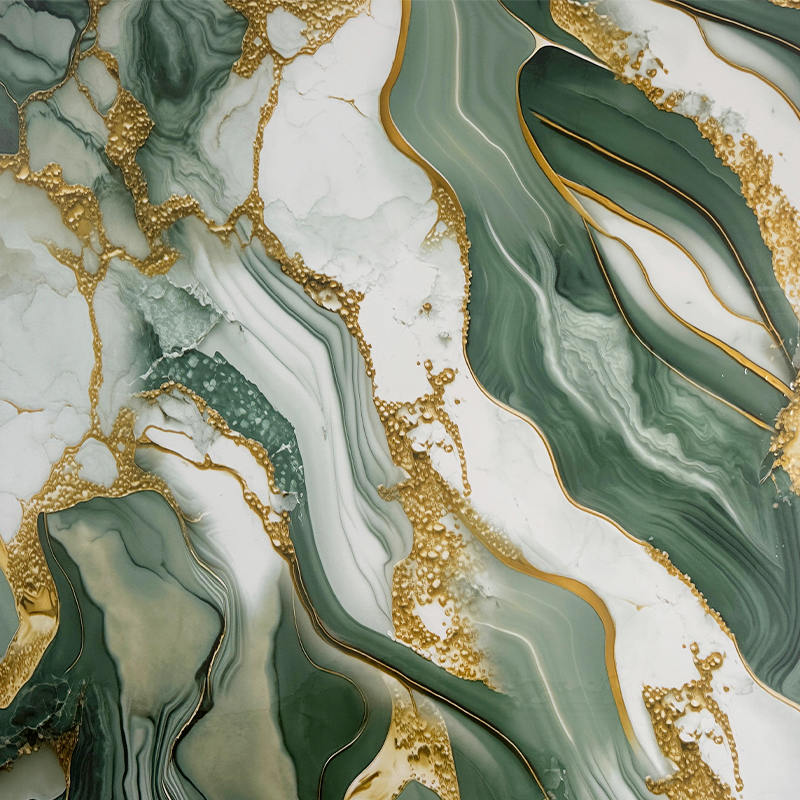 300–2100mm Printed Composite Film for Packaging and BuildingThis solvent-free laminated film combines barrier properties with decorative finishes, serving both packaging and construction applications that require abrasion resistance and a clean appearance.View Product →
You can browse the whole range in our printed composite film category to see available sizes and surface finishes.
How to Evaluate a Color Printing Film Manufacturer
Visiting a sample warehouse gives you only part of the picture. A reliable factory should be able to demonstrate three things: consistent color reproduction, stable roll dimensions, and traceable quality control.
Ask About Production Equipment
The number of printing stations and the maximum width are direct indicators of a manufacturer's capability. A factory running five-color and six-color presses, with an extrusion laminator and solvent-free laminating lines, can handle demanding orders that a small workshop cannot. Solvent-free lamination is particularly important for food-adjacent packaging because it reduces solvent residue.
Request a Cut Sample, Not Just a Whole Roll
When you evaluate a sample, look at the printed edge sharpness under a magnifying glass. Check the color against a Pantone reference under standard lighting. Then fold the sample several times to see whether the ink cracks or the substrate whitens. These simple tests reveal more than any brochure.
Confirm Quality Control and Certifications
Ask whether the factory performs incoming, in-process, and final inspections. Certifications such as ISO or product-specific safety standards matter, especially for children's products. If the manufacturer exports widely to European, American, and Southeast Asian markets, its production discipline has likely been tested by different regulatory requirements.
The Bottom Line
Color printing film is not a single commodity. It is a family of materials tailored to specific surfaces, environments, and production methods. For interior wall décor, focus on print fidelity, waterproofing, and adhesion. For floor mats, add slip resistance and structural durability. For packaging and construction, bond strength and consistent dimensions take priority.
The manufacturer you choose should be able to produce film in the required width, maintain color consistency across batches, and support your project with technical advice. If you are evaluating a new supplier, start with the smallest order that lets you test real production conditions. A trial run of, say, 500 square meters will tell you far more than a one-meter sample roll.
When you have confirmed the technical specifications against your application, you can proceed with confidence — knowing that the color printing film you select will look right, perform well, and survive the realities of installation and daily use.