

 English
 Français
 русский
 عربى
عربى Español
Content
- 1 What a Gilded Marble Wall Sticker Actually Is
- 2 Material Types and How They Affect Look and Durability
- 3 Choosing the Right Surface for Application
- 4 Step-by-Step Application Tips for a Clean Finish
- 5 Where Gilded Marble Stickers Work Best in a Home
- 6 What to Check Before You Buy
- 7 Getting a Look That Actually Lasts
What a Gilded Marble Wall Sticker Actually Is
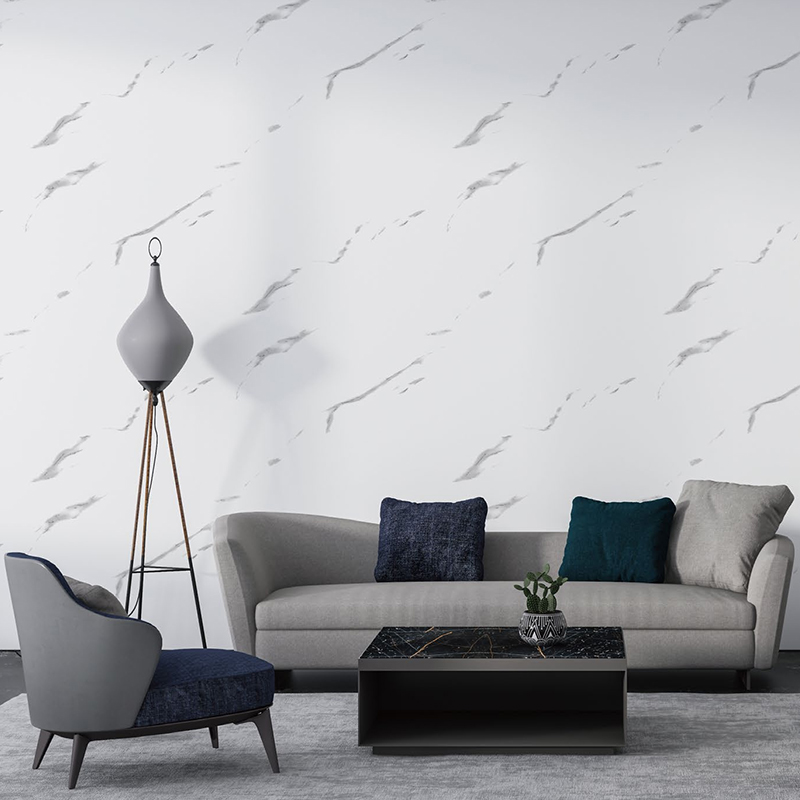
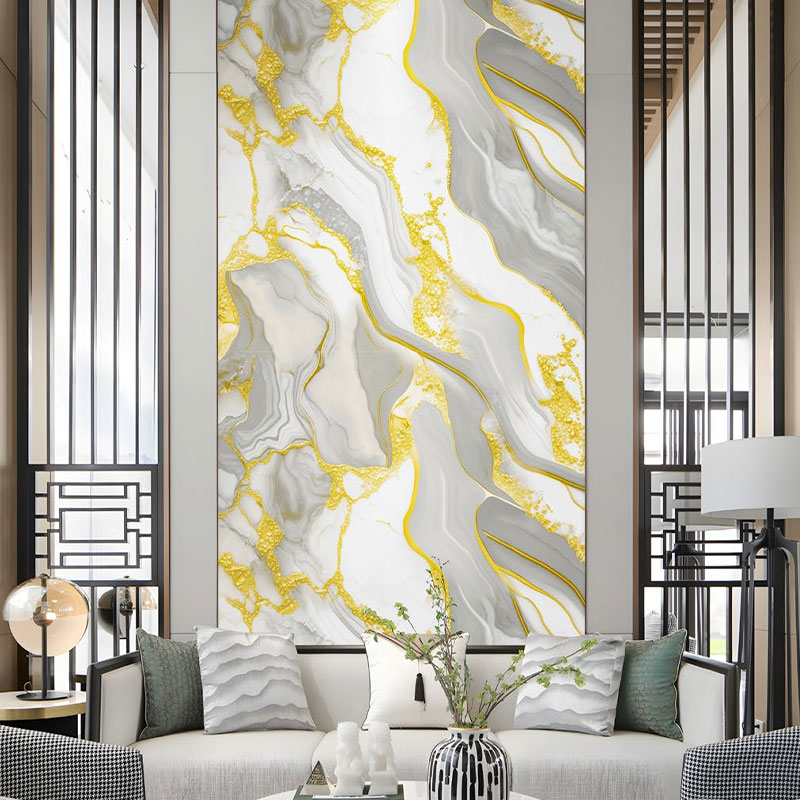
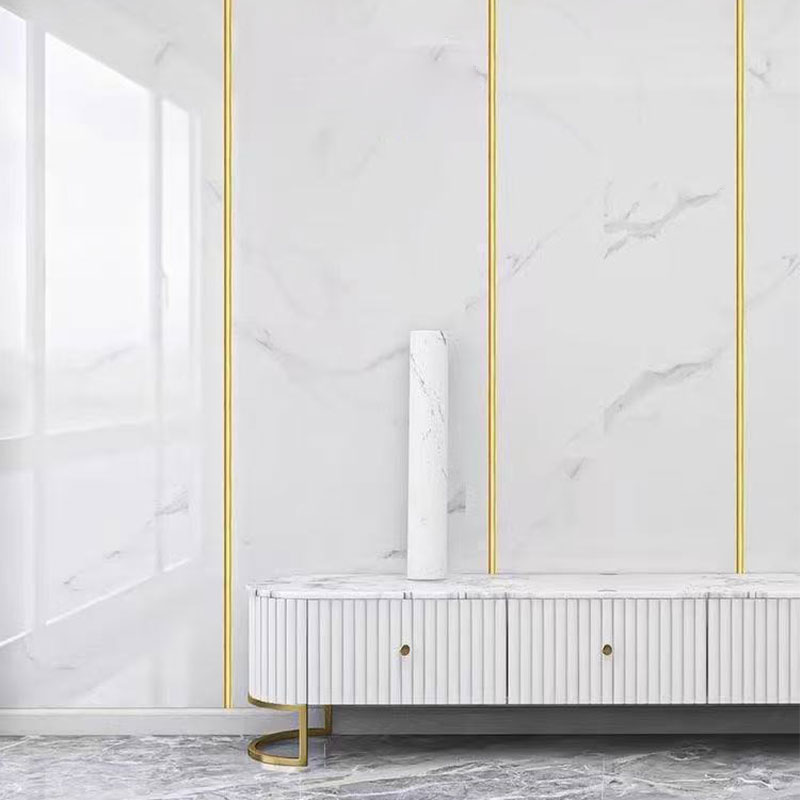
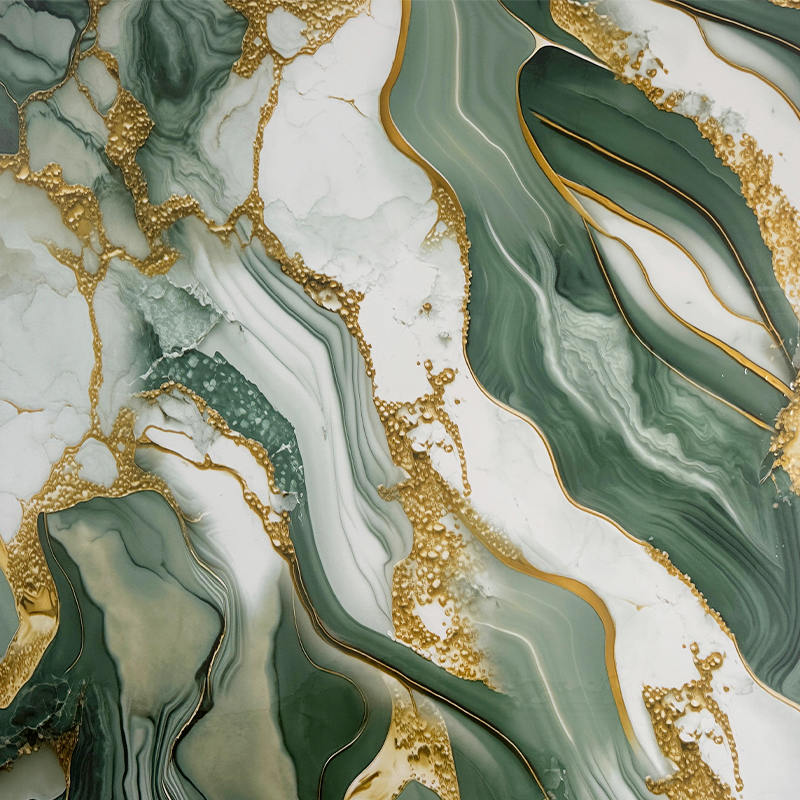
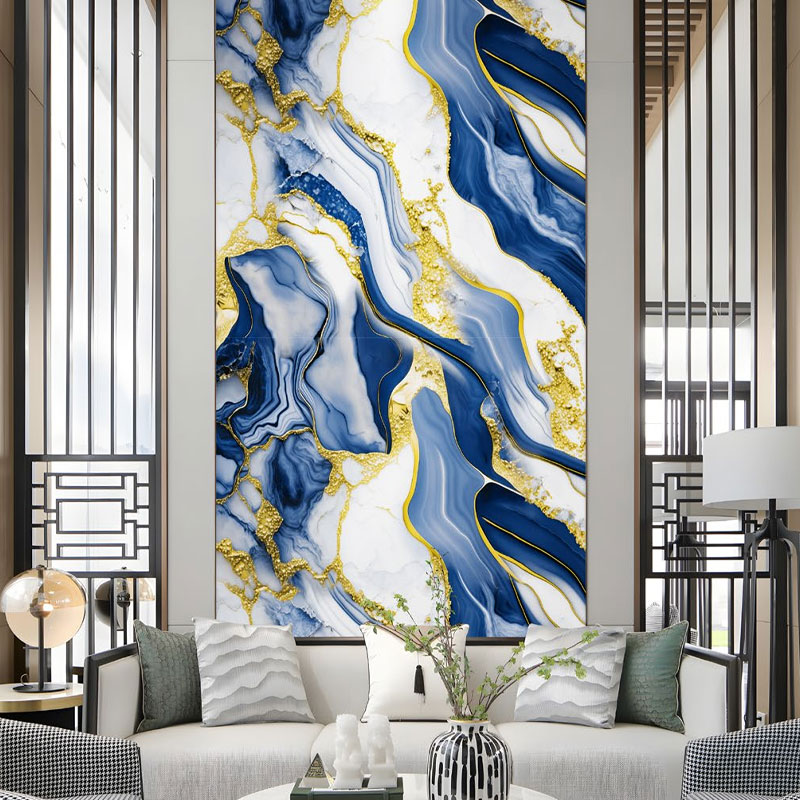
A gilded marble wall sticker is a self-adhesive decorative film printed to mimic the look of natural marble, typically finished with metallic gold or silver veining to replicate the gilded accents seen in high-end stone surfaces. Unlike real marble slabs or even marble-look tile, these stickers are applied directly onto existing walls, furniture, or countertops, offering a much faster and far less expensive way to achieve a luxury aesthetic. They're commonly used in home renovations, rental apartments where permanent changes aren't allowed, accent walls, kitchen backsplashes, and even furniture makeovers like dressers or tabletops. The appeal is straightforward: get the visual richness of gilded marble without the cost, weight, or installation complexity of real stone.
Material Types and How They Affect Look and Durability
Not all marble effect wall stickers are made from the same material, and the type used significantly affects how realistic the finish looks and how long it holds up over time. Knowing the differences helps buyers avoid ending up with a sticker that looks flat or peels prematurely.
PVC Vinyl Film
PVC vinyl is the most common material used for marble wall decals, valued for being waterproof, flexible enough to wrap around curved surfaces, and relatively affordable. Higher-quality PVC films use deeper color printing and textured surfaces to better mimic the subtle depth of real marble, while lower-grade versions can look noticeably glossy or artificial under direct light.
PET Film with Metallic Foil Layer
For the gilded effect specifically, many higher-end gold marble wallpaper sticker products use a separate metallic foil layer laminated onto the base film, which produces a more authentic shimmer compared to printed gold ink. This construction tends to hold its metallic shine longer and resists the dulling that printed-only gold finishes often experience after prolonged sun exposure.
Choosing the Right Surface for Application
A self adhesive marble wall sticker performs differently depending on the surface it's applied to, and choosing the wrong surface is one of the most common reasons these products fail to stick properly or look uneven.
| Surface Type | Suitability | Notes |
| Smooth Painted Drywall | Excellent | Best adhesion and flattest finish |
| Tile or Glass | Good | Clean surface thoroughly to remove grease before applying |
| Textured or Brick Wall | Poor | Adhesive struggles to bond evenly across uneven texture |
| Wallpaper (Existing) | Conditional | Only works if wallpaper is firmly bonded and non-textured |
Step-by-Step Application Tips for a Clean Finish
Getting a smooth, bubble-free finish with a marble wall decal comes down to preparation and technique more than the product itself. Even a high-quality sticker can look messy if applied carelessly, while a budget option can look surprisingly good with proper installation.
- Clean the wall surface thoroughly and let it dry completely before starting, since dust or moisture trapped underneath causes bubbling
- Measure and plan the layout first, especially for pieces with continuous veining patterns that need to align across panels
- Peel the backing slowly and apply from one edge, using a smoothing tool to push out air as you go rather than pressing the whole sheet down at once
- Use a hairdryer on low heat to gently warm stubborn bubbles or wrinkles, which makes the film more pliable for adjustment
- Trim excess material with a sharp blade along edges and corners for a clean, professional-looking border
Where Gilded Marble Stickers Work Best in a Home
While these stickers can technically be applied almost anywhere, certain locations make the most of the gilded marble effect and tend to deliver the best visual payoff relative to effort.
- Bathroom vanity backsplash, where the metallic veining catches light from mirrors and fixtures
- Kitchen island or countertop accents, for a quick upgrade without replacing the actual surface
- Living room accent wall behind a TV or sofa, where the pattern becomes a focal point
- Furniture surfaces such as dresser tops, side tables, or cabinet doors for a budget furniture refresh
What to Check Before You Buy
With so many marble-pattern products available online, it's easy to end up with a sticker that looks great in product photos but disappoints once it's on the wall. A few checks before purchasing can help avoid that outcome.
- Check whether the listing specifies the base material (PVC vs. PET) rather than just calling it "marble film"
- Look for product photos showing the sticker applied in real lighting conditions, not just studio renders
- Confirm whether the product is waterproof if it's intended for a bathroom or kitchen application
- Check the roll width and pattern repeat length to plan how many panels you'll need without obvious seams
- Read reviews specifically mentioning peeling, bubbling, or fading after a few months of use, not just initial impressions
Getting a Look That Actually Lasts
A gilded marble wall sticker can genuinely transform a space when the material quality, surface compatibility, and application technique all come together correctly. The biggest disappointments usually trace back to skipping surface prep or choosing a product without checking material details beyond the marketing photos. Taking a bit of extra time to match the sticker to the right surface and follow proper application steps makes the difference between a finish that looks cheap within a few weeks and one that genuinely passes for real gilded stone at a glance.