

 English
 Français
 русский
 عربى
عربى Español
Content
What Is an XPE Folding Mat and What Makes It Different
An XPE Folding Mat is a foam mat made from cross-linked polyethylene, a closed-cell foam material known for being lightweight, water-resistant, and gentle on skin. Unlike EVA foam mats, which are more common but tend to feel stiffer and have an open-cell structure that can absorb moisture, XPE foam is denser and bonded through a cross-linking process that gives it a smoother, softer surface while still holding its shape under regular use.
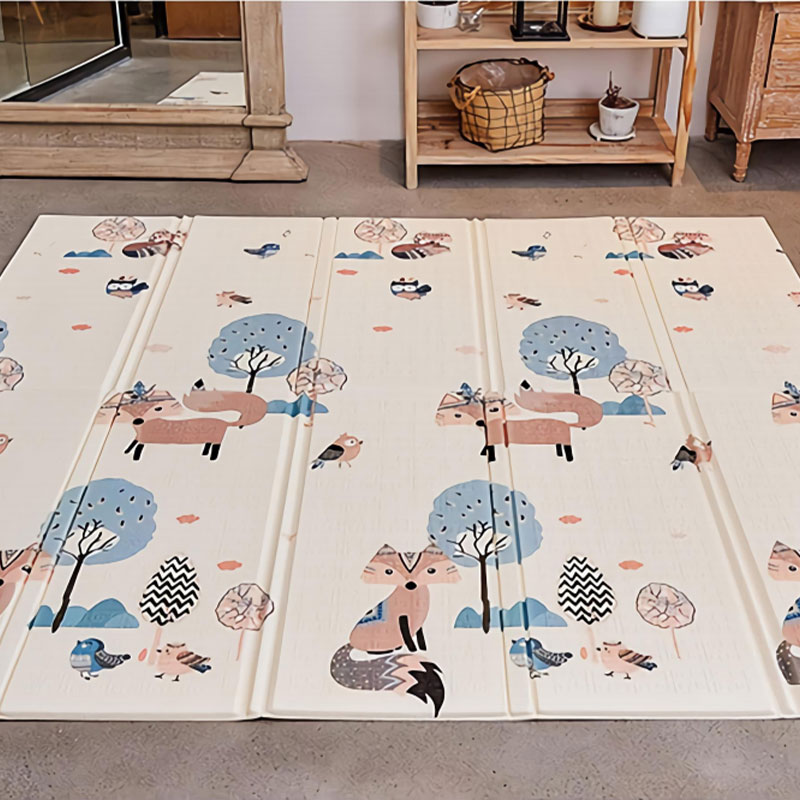
The folding design is what sets this mat apart from a standard rolled foam mat. Instead of needing to be rolled up and stored upright, an XPE Folding Mat collapses flat like an accordion, making it far easier to store in a closet, under a bed, or in a car trunk without taking up much space at all.
Why XPE Foam Is Considered Safer for Babies and Toddlers
One of the biggest reasons parents specifically search for an XPE Folding Mat rather than a generic foam mat is the safety profile of the material itself. Because XPE foam is cross-linked rather than chemically foamed in the same way as some cheaper EVA products, it generally contains fewer harmful additives and produces little to no odor straight out of the packaging.
Non-Toxic Material Composition
Quality XPE Folding Mats are typically certified free from heavy metals, phthalates, and formamide, all of which have raised health concerns in lower-quality foam play mats sold without proper safety testing. Parents shopping for crawling or play mats should always check for relevant safety certifications before purchasing, especially since babies spend extended periods of time in direct contact with the surface.
Soft, Cushioned Impact Protection
The denser cell structure of XPE foam provides better shock absorption compared to thinner foam alternatives, which matters significantly during the stage when babies are learning to crawl, stand, and eventually take their first steps. A good XPE Folding Mat cushions falls without feeling so soft that it becomes difficult for a baby to push up or balance on.
Comparing XPE Folding Mats to Other Common Mat Materials
Shoppers often compare XPE foam against EVA foam and PVC-based mats before making a purchase. Each material has its own strengths, so understanding the differences helps match the right mat to the right use case.
| Material | Softness | Water Resistance | Odor Level |
| XPE Foam | High | Excellent | Very Low |
| EVA Foam | Moderate | Moderate | Moderate to High |
| PVC | Low | Good | Moderate |
This comparison is one of the main reasons XPE Folding Mats have become a preferred choice for indoor baby play areas, where prolonged skin contact and low odor matter more than they would for an outdoor camping mat.
Common Uses Beyond the Nursery
While baby play areas are the most popular use case, an XPE Folding Mat has plenty of practical applications outside the nursery thanks to its lightweight, water-resistant, and portable design.
- Picnic and outdoor seating, since the foam resists moisture from damp grass or slightly wet surfaces
- Camping ground mats, offering a cushioned barrier between a sleeping bag and uneven or cold terrain
- Yoga and light exercise sessions, providing a softer alternative to thin standard exercise mats
- Pet resting areas, since the surface is easy to wipe clean and doesn't retain pet odors as easily as fabric bedding
What to Look for When Buying an XPE Folding Mat
Quality varies significantly between brands, and a few specific details can help separate a durable, safe mat from one that wears out or flattens quickly after a few months of use.
- Check the foam thickness, since thicker mats around 1 to 2 centimeters provide noticeably better cushioning for active play
- Look for reinforced fold lines, since cheaper mats can crack or tear along the crease after repeated folding and unfolding
- Confirm the surface texture is non-slip, especially important for mats used by crawling babies or active toddlers
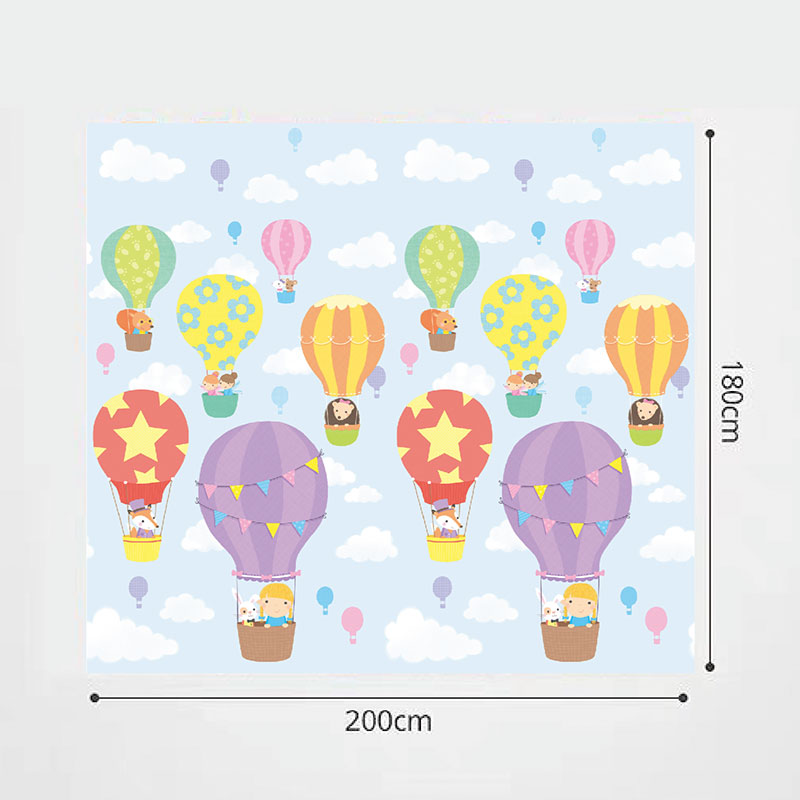
- Check for double-sided printing or reversible designs, which extend the usable life of the mat once one side starts to show wear
- Review safety certifications listed by the manufacturer, confirming the foam has been tested for harmful substances
How to Clean and Maintain an XPE Folding Mat
One of the practical advantages of XPE foam over fabric-based play mats is how easy it is to keep clean, which matters a lot in households with young children or pets prone to spills and messes.
Most spills and stains can be wiped away with a damp cloth and mild soap, since the closed-cell structure of XPE foam prevents liquid from soaking into the material. For deeper cleaning, a soft brush with diluted soap works well on textured surfaces without damaging the printed pattern. It's best to avoid harsh chemical cleaners or abrasive scrubbing pads, since these can degrade the foam's surface coating over time and shorten the mat's overall lifespan. After cleaning, allowing the mat to air dry fully before folding it back up helps prevent any trapped moisture from causing odors between uses.