

 English
 Français
 русский
 عربى
عربى Español
Content
The Crucial Role of Tummy Time and Crawling
The journey of a baby’s physical development is a rapid and wondrous process, moving from helpless dependency to independent mobility in just a few short months. Two of the most critical developmental stages during this period are tummy time and crawling. These activities are not merely cute milestones; they are essential for building a foundation of physical and cognitive skills.
Tummy Time: Building the Foundation
Tummy time, which is simply placing an infant on their stomach while awake and supervised, is vital for developing the neck, shoulder, and upper body muscles. These muscles are necessary for achieving later milestones like sitting, rolling over, and, eventually, crawling. It also helps prevent positional plagiocephaly (flat spots on the back of the head).
Crawling: A Whole-Brain Workout
Crawling is often considered the first form of independent locomotion. It’s a complex movement that requires cross-lateral coordination, where one side of the body works in sync with the other. This action helps both sides of the brain communicate and strengthens neural pathways, which is believed to be important for future skills such as reading, writing, and hand-eye coordination.
Introducing the Modern Innovation: The Foldable Crawling Mat
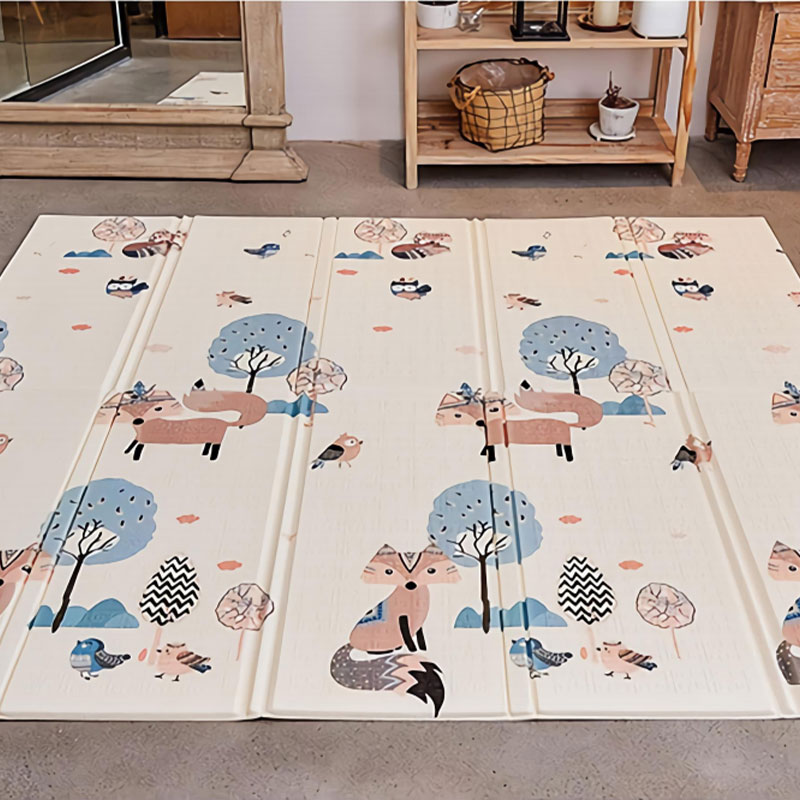
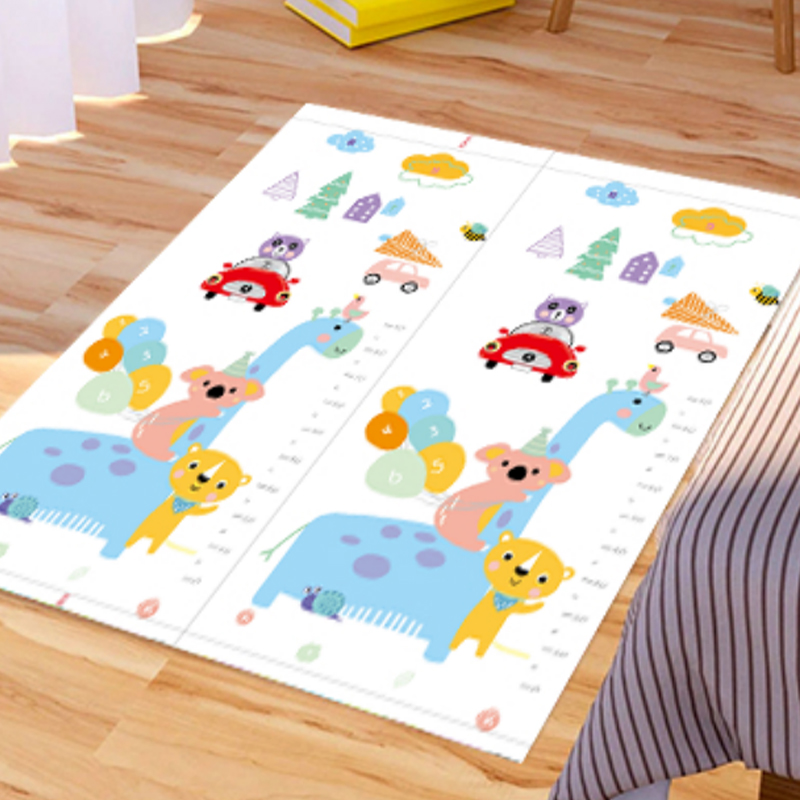
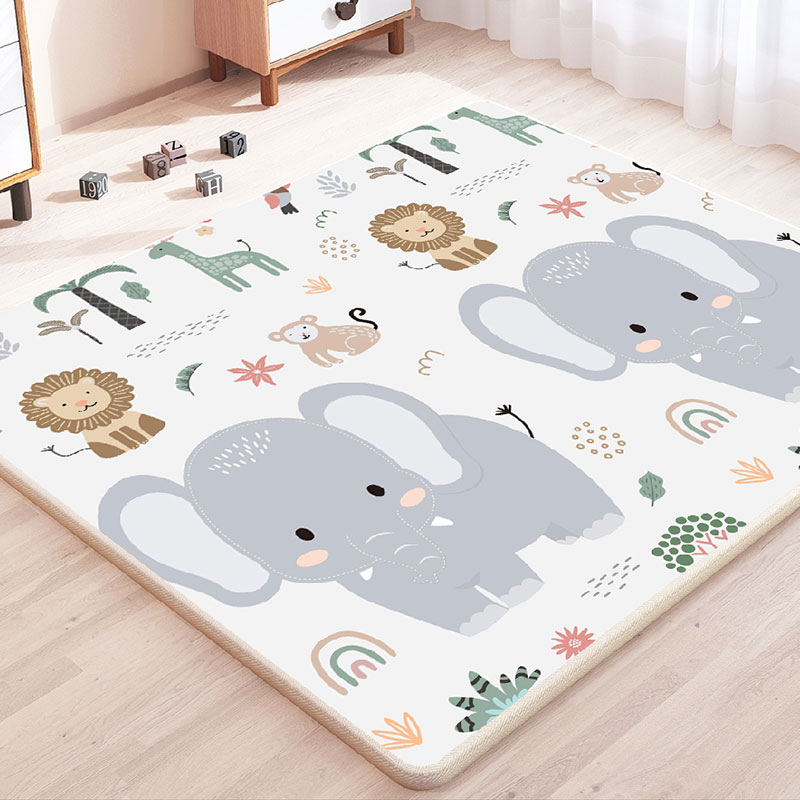
While traditional blankets or carpets have long served as play surfaces, modern parenting often calls for a cleaner, safer, and more versatile solution. This is where the Foldable Crawling Mat steps in, transforming any floor into an optimal and hygienic play zone.
Engineered for Safety and Comfort
The primary function of a high-quality Foldable Crawling Mat is to provide a shock-absorbing, cushioned barrier between the baby and a hard floor.
- Impact Protection: Made typically from materials like XPE (Cross-linked Polyethylene) foam, these mats offer high resilience. This cushioning is crucial for protecting the baby’s head, wrists, and knees during inevitable tumbles, awkward landings, and the initial clumsy phases of rolling and sitting up.
- Thermal Insulation: The dense foam provides a layer of insulation, keeping the baby warm and comfortable by blocking the cold from a tile or wood floor.
- Non-Slip Surface: The texture on the mat’s surface is designed to prevent it from sliding on the floor and to offer a slight grip for the baby, aiding in their ability to push off and maintain balance while crawling.
The Practical Advantage of Foldability
The ‘foldable’ nature of these mats is a key innovation for parents. Unlike traditional roll-up mats, a Foldable Crawling Mat can be easily collapsed into a compact size with clear crease lines. This feature offers several practical benefits:
- Hygiene and Cleaning: The waterproof surface (often a PET film coating) makes cleaning spilled milk, drool, and messes incredibly easy, maintaining a more hygienic environment than porous carpet.
- Portability: The mat can be quickly moved from room to room, taken to a relative’s house, or stored neatly away, maximizing living space when not in use.
Beyond the Play Surface: Material Science and Health
The materials used in a Foldable Crawling Mat are a critical consideration for health-conscious parents. Manufacturers of safe mats prioritize materials that are non-toxic and free from harmful chemicals.
Non-Toxic Composition
The industry standard for premium mats often focuses on XPE foam because it is generally manufactured without BPA, phthalates, lead, and latex. These mats are often odorless, which is a sign of a cleaner material composition compared to some traditional EVA or PVC foam mats, which may off-gas volatile organic compounds (VOCs). Ensuring a baby spends their playtime on a mat free of these contaminants is a simple, effective step in creating a safe home environment.