

 English
 Français
 русский
 عربى
عربى Español
Composite packaging decorative material film is one of those quietly powerful materials that sits behind many of the products we see and touch every day. It brings together the protective logic of packaging films and the visual appeal of decorative surfaces, so a single roll can carry printed patterns, barrier properties, and a durable finish. At Anhui Morning Language Science and Technology Materials Co., Ltd., we have spent years working with this exact family of films, and we know how much the final result depends on getting the layer structure right.
Whether you are developing a retail package, a wall covering, a foldable mat, or a construction surface film, understanding what composite packaging decorative material film is, how it is made, and where it performs best will help you specify the right product with confidence.
Content
- 1 What Is Composite Packaging Decorative Material Film?
- 2 The Layer Structure Behind a Quality Decorative Film
- 3 Printing and Lamination: How the Film Comes Together
- 4 Key Performance Benefits
- 5 Where Composite Decorative Films Are Used
- 6 How to Choose the Right Decorative Film
- 7 Decoration, Durability, and the Shift Toward Better Materials
- 8 Working With a Composite Film Manufacturer
What Is Composite Packaging Decorative Material Film?
Composite packaging decorative material film is a multi-layer flexible material that combines two or more substrates into a single sheet. At least one layer provides structural or barrier performance, while another layer carries printing, colour, texture, or a decorative finish. The layers are bonded with adhesives, extrusion coatings, or heat and pressure, depending on the materials and the end use.
The word "composite" is important here. A single polyethylene film can be printed, but it cannot usually deliver the same combination of stiffness, moisture resistance, print sharpness, and surface texture that a well-designed composite can. By pairing films such as PET, BOPP, VMPET, EPE, or XPE with a printed decorative layer, manufacturers can create a material that looks good, protects what is inside or underneath, and survives real-world handling.
Packaging and Decoration in One Material
In packaging, the film often serves as the outer printed layer of a pouch, wrap, or lamination. In decoration, the same technical thinking is applied to wall stickers, floor mats, surface coverings, and building films. The common thread is that the film must be visually precise and mechanically reliable. That is why composite packaging decorative material film is rarely a commodity item; it is usually engineered around a specific application.
The Layer Structure Behind a Quality Decorative Film
A typical composite packaging decorative material film may contain three to five functional layers. The exact build depends on the product, but most structures include a print substrate, a decorative or release layer, an adhesive or tie layer, and a barrier or support layer.
- Outer print layer: Carries the artwork, colour, pattern, or texture. It may be reverse-printed or surface-printed, and it determines how the final product looks.
- Barrier layer: Often made from PET, VMPET, or a metallised film. It reduces moisture, oxygen, or light transmission and helps the material keep its shape.
- Adhesive or tie layer: Bonds dissimilar materials. Solvent-based, solvent-free, and extrusion adhesives are all used, each with different cost, curing, and performance profiles.
- Support or foam layer: EPE and XPE foams add thickness, softness, and cushioning for mats and floor coverings.
- Top coating: Provides scratch resistance, matte or gloss control, waterproofing, or easy-clean properties.
When these layers are chosen well, the film can be thin and flexible while still resisting tears, moisture, and everyday abrasion. When they are chosen poorly, the result may look fine on the sample table but fail after a few weeks of use. This is where production experience matters as much as the raw material specification.
Printing and Lamination: How the Film Comes Together
Printing is usually the first major step. Multi-colour presses apply the decorative design to a film substrate, and the number of colours determines how detailed or realistic the final pattern can be. For demanding decorative effects, six-colour printing gives a wider gamut and smoother gradients than four-colour printing alone.
After printing, the film may pass through a lamination or coating stage. Extrusion lamination adds a molten polymer layer that bonds two substrates together. Solvent-free lamination uses a reactive adhesive and is often preferred when lower solvent emissions are a priority. Dry lamination uses a solvent-based adhesive that is dried before the layers are combined, which can be useful for heat-sensitive substrates. Finally, slitting and inspection prepare the roll for shipment or further converting.
At our facility in Guangde, Anhui Province, we operate five-colour and six-colour printing lines, a 2300 mm extrusion laminator, a 2100 mm solvent-free laminator, a 1350 mm dry laminator, high-speed slitting machines, and product inspection equipment. This range allows us to produce decorative films for packaging, construction, and consumer products without relying on a single process. If you would like to compare structures and applications in more detail, our guide to printed composite film types and structures is a useful next read.
Key Performance Benefits
Composite packaging decorative material film earns its place in so many products because it solves several problems at once. The most important benefits tend to be the following.
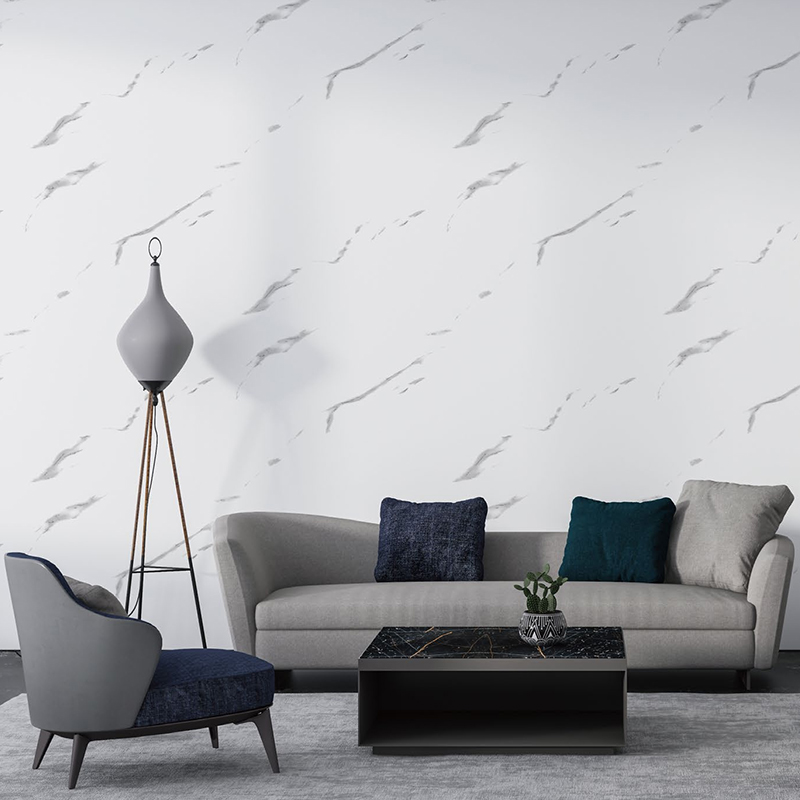
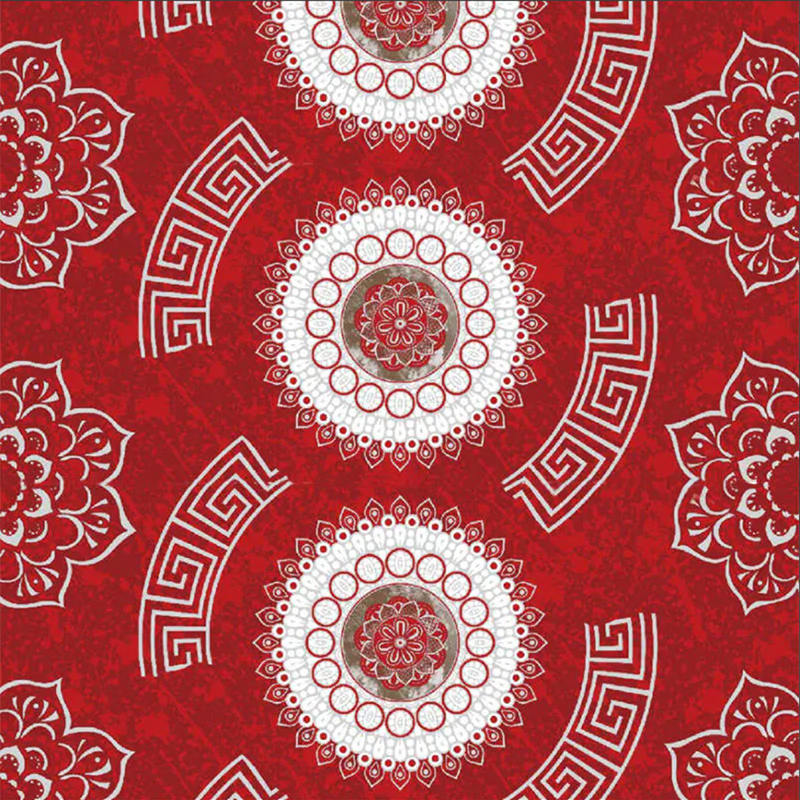
- Visual versatility: The printed layer can imitate marble, linen, tile, wood, flowers, or custom brand artwork without the weight and cost of the natural material.
- Moisture and water resistance: Properly selected films and coatings keep moisture out, which is essential for bathroom wall stickers, outdoor mats, and packaging that may face humid conditions.
- Mechanical strength: The composite structure improves tear resistance, tensile strength, and dimensional stability compared with a single-layer film.
- Surface protection: A top coating can make the film easier to wipe clean and more resistant to scratching, which matters for floor coverings and frequently touched surfaces.
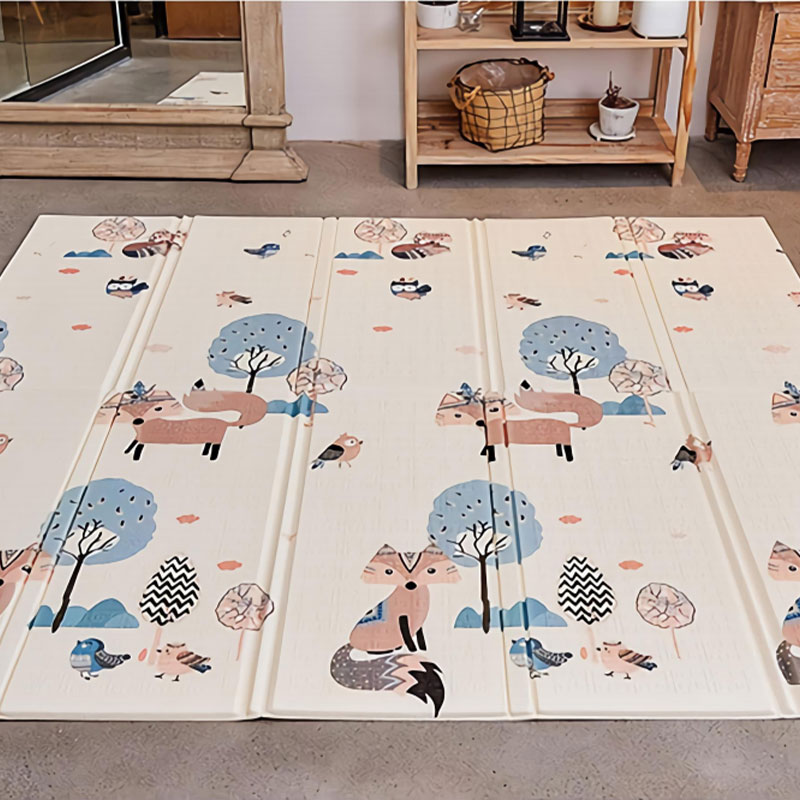
- Flexibility and foldability: Foam-backed composites can be folded, rolled, and stored without cracking the printed surface.
These benefits are not automatic. They come from matching the right substrate, adhesive, print method, and coating to the way the final product will be used. A film designed for indoor wall decoration, for example, does not need the same puncture resistance as a construction surface film, and a film for a baby crawling mat needs different softness and safety considerations than a retail packaging wrap.
Where Composite Decorative Films Are Used
The application range is broader than many buyers expect. The table below summarises some of the most common uses and the material choices that support them.
| Application | Typical substrate | Decorative effect | Key requirement |
|---|---|---|---|
| Retail packaging | PET, BOPP, VMPET | Printed brand graphics, metallic or matte finish | Print clarity, barrier, sealability |
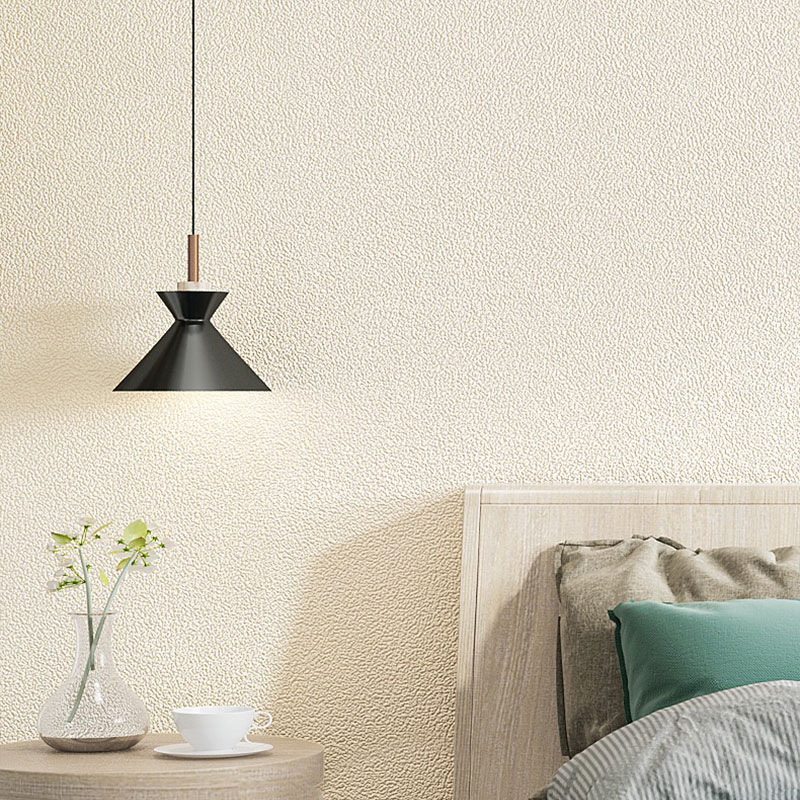
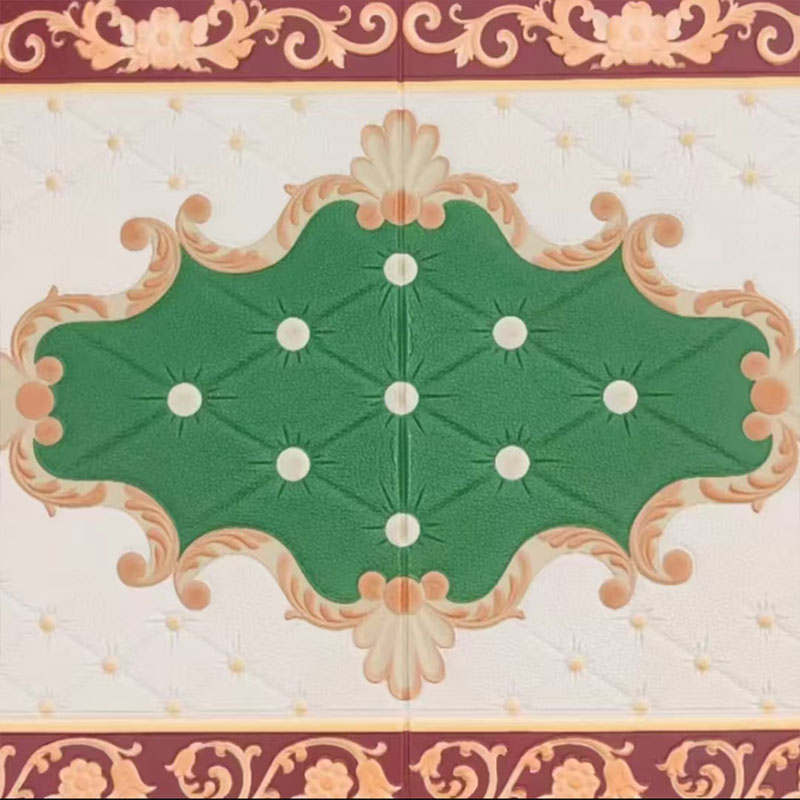
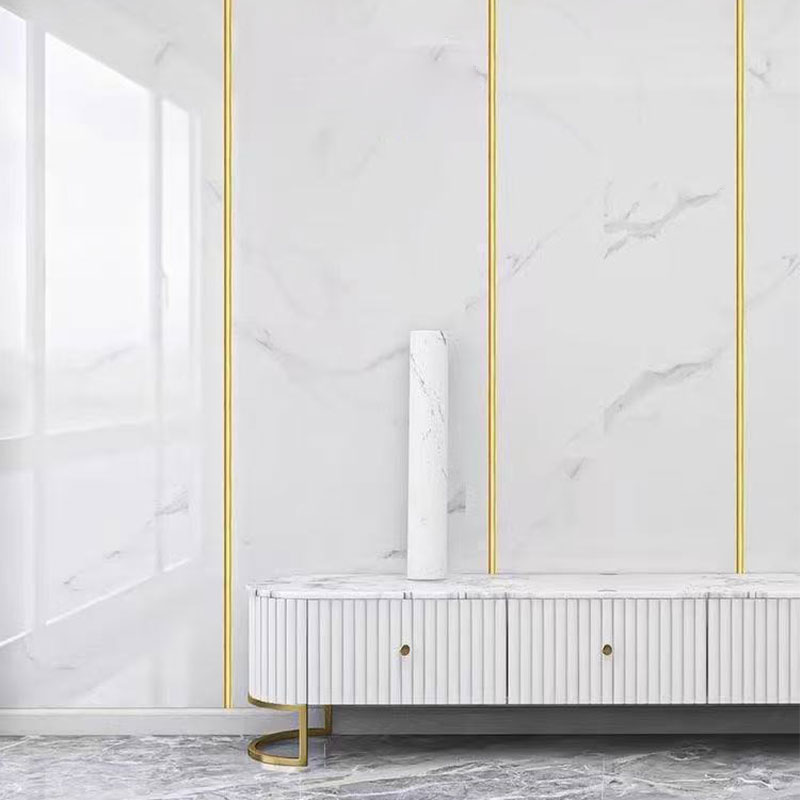
| Wall decoration | PVC, PET, release paper | Marble, tile, linen, or custom pattern | Waterproof, removable, colourfast |
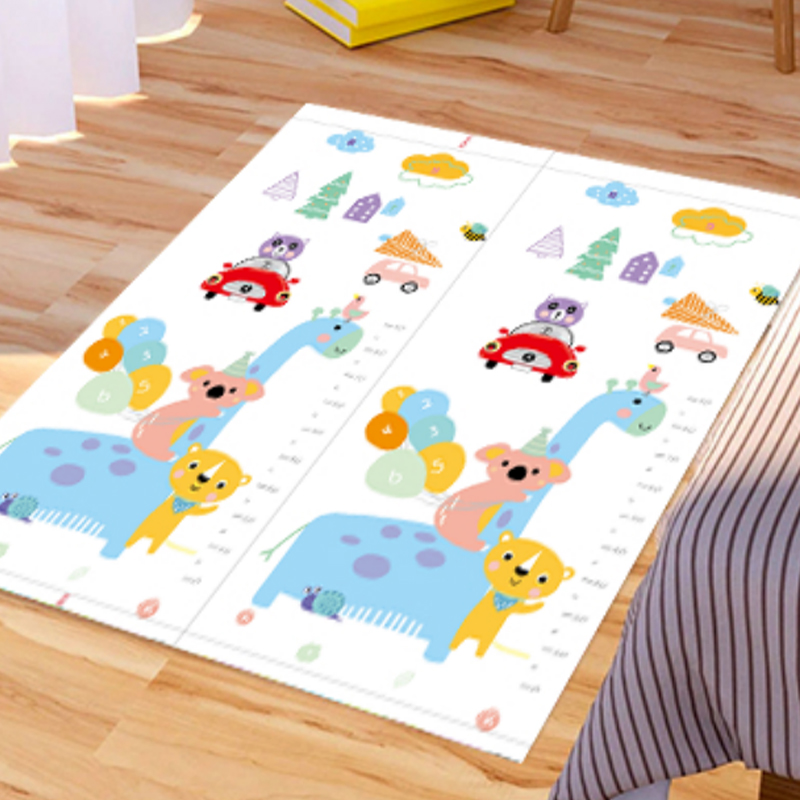
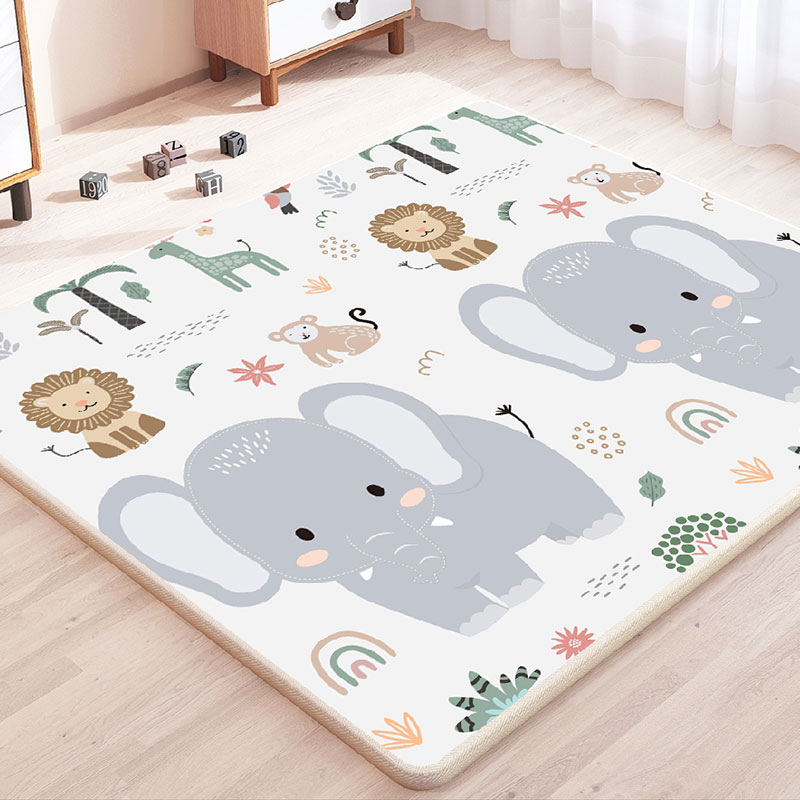
| Floor and play mats | EPE, XPE foam | Floral, geometric, or child-friendly prints | Cushioning, wipe-clean, foldable |
| Outdoor picnic mats | EPE, aluminium foil, PET | Solid colours or prints | Moisture barrier, lightweight, durable |
| Construction surface film | PET, VMPET, PE | Wood, stone, or solid colour | Weather resistance, adhesion, strength |
In each case, the decorative layer is only one part of the story. The film also has to survive converting, shipping, and daily use. That is why we test and adjust structures for specific customer requirements rather than selling a one-size-fits-all roll.
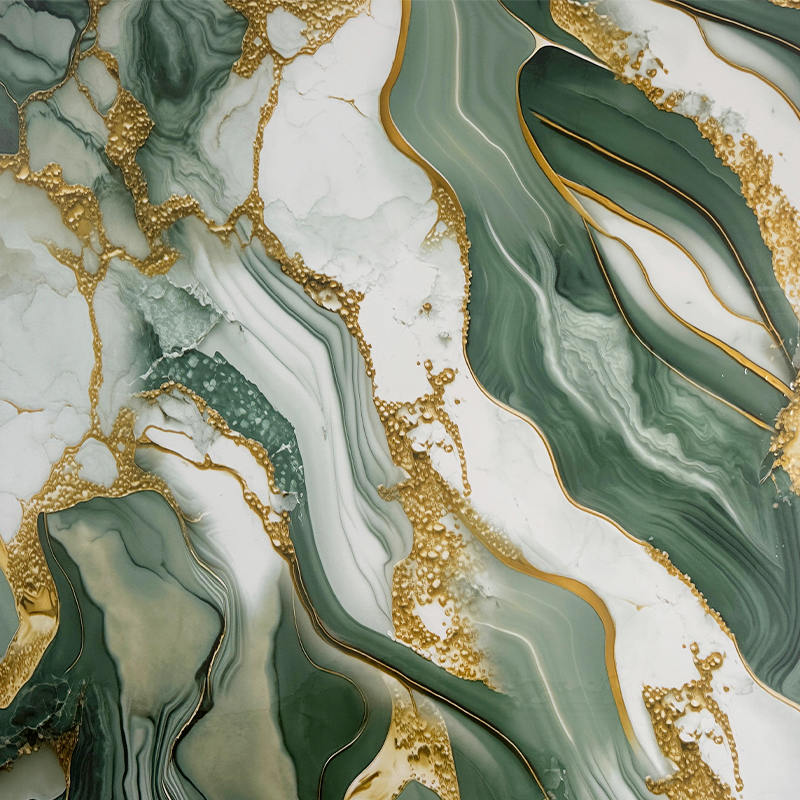 300mm-2100mm Printed composite film for packaging, constructionThis series of composite films adopts a combination of various high-performance material structures, such as PET//BOPP, PET//PET, PET//PE, matte BOPP//PET, etc., with ...View Product →
How to Choose the Right Decorative Film
Choosing a composite packaging decorative material film can feel overwhelming when there are so many possible layer combinations. A practical selection process usually follows these steps.
- Define the end-use environment: Indoors or outdoors? Wet or dry? High traffic or occasional contact?
- Decide on the visual requirement: Does the product need a photographic pattern, a subtle texture, a metallic effect, or a solid colour?
- Check the mechanical demand: Will the film be folded, stretched, die-cut, laminated, or sewn?
- Confirm barrier needs: If moisture, oxygen, or light will shorten the product life, a barrier layer such as VMPET or a metallised coating may be necessary.
- Review the converting process: The film must run well on your printing, coating, or lamination equipment, not just look good in a sample book.
- Ask for samples and trial runs: Small differences in adhesive, coating weight, or film gauge can change the feel and durability of the final product.
For customers who need larger decorative surfaces, a wide-format colour printing film may be a better fit than a narrow roll. Our 600 mm x 2400 mm film is designed for projects that require broad coverage and consistent colour across the width.
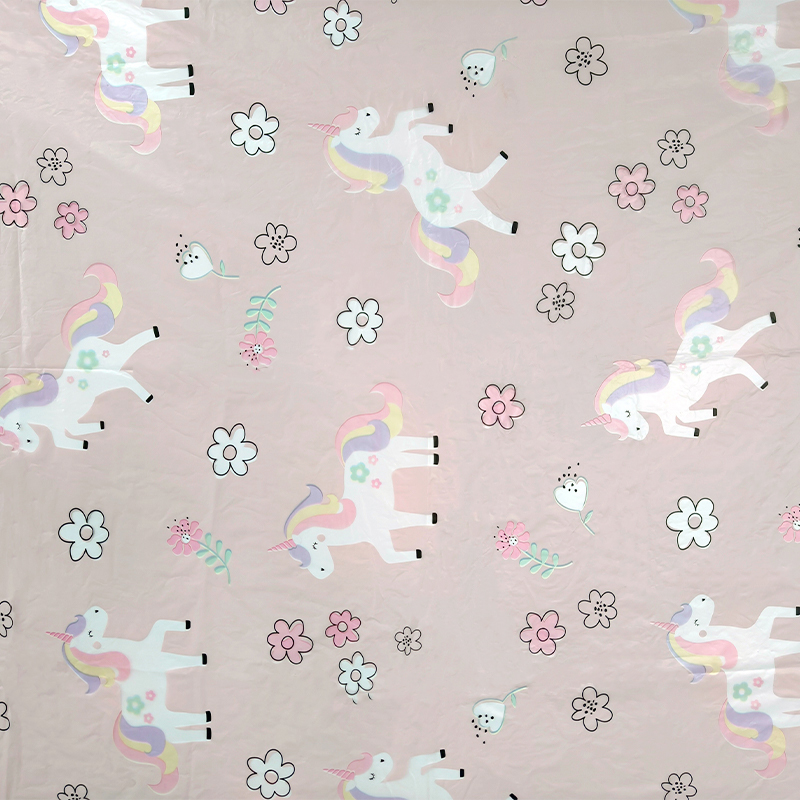 600mm-2400mm Color printing filmThe product is made of transparent PE, milky white PE, matte PE, BOPP, matte BOPP, PET, VMPET and other materials. It has good structural adaptability and can meet the...View Product →
Decoration, Durability, and the Shift Toward Better Materials
The decorative film industry is changing. Buyers are asking for materials that look premium but weigh less, use fewer resources, and create less waste. Composite structures can support those goals when they are designed thoughtfully. Thinner barrier layers, solvent-free adhesives, and mono-material or recyclable structures are all active areas of development.
At the same time, the basic appeal of decorative film remains strong: it allows a surface to be transformed without replacing the entire substrate. A wall can look like marble. A floor mat can look like a woven textile. A packaged product can carry high-resolution artwork that reflects a brand's identity. For designers and manufacturers, the challenge is to achieve those effects without compromising performance or creating a material that is difficult to process.
If you are exploring decorative material film for a new product line, our overview of decorative material film definitions, applications, and future trends can help you frame the technical and commercial questions before you request samples.
Working With a Composite Film Manufacturer
Composite packaging decorative material film is not a material you can specify from a catalogue alone. The right partner will ask about the end product, the converting method, the target market, and the performance conditions. They will then propose a layer structure and produce samples for evaluation.
Our team at Anhui Morning Language Science and Technology Materials Co., Ltd. works with customers across Europe, the Americas, Africa, and Southeast Asia. We produce printed composite films, decorative wall stickers, foam-backed mats, and related materials from our base in Anhui Province. If you need a decorative film that balances print quality, barrier performance, and practical durability, we are ready to discuss your project and build a sample that fits.
For wall decoration applications, our gilded marble wall sticker is a good example of how a printed composite film can deliver a high-end stone look with the flexibility of a self-adhesive material.
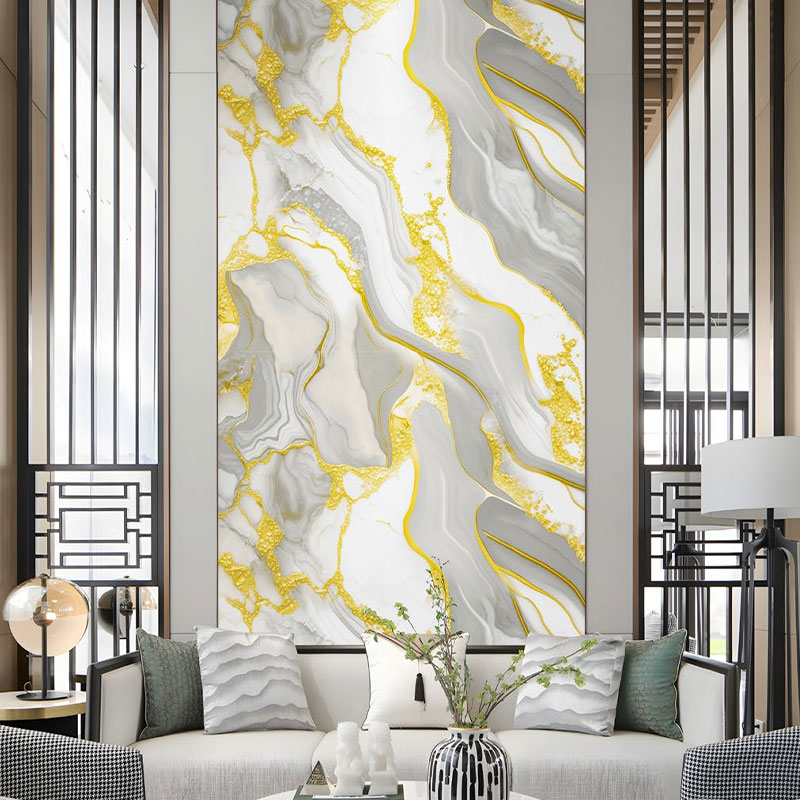 Gilded marble wall stickerGilded marble wall stickers are a cost-effective product that combines decorative and protective functions and is suitable for use in a variety of scenarios. Its high ...View Product →